
Planned reform to sick leave rules must not undermine the rights of employees with genuine medical conditions, union officials said on Friday as the government moves to tighten controls on absenteeism across the civil service.
Pasydy secretary general Stratis Mattheou said the union supported efforts to tackle abuse of sick leave but stressed that existing protections must be preserved.
“We are in favour of combating abuses. We are clearly with the minister on the issue of the abuse of sick leave,” Mattheou told the Cyprus News Agency.
“However, at the same time, we are stating that we are not prepared to abolish acquired rights.”
He said the union’s main concern was protecting workers with chronic illnesses and argued that any changes should be introduced through consultation rather than imposed unilaterally.
Sek representative Andreas Elia also said the union was “open to dialogue” but cautioned that reforms should not result in workers being unfairly targeted.
“It would be wrong to victimise certain people,” he said, adding that some organisations already operate occupational doctor systems to independently assess sick leave requests.
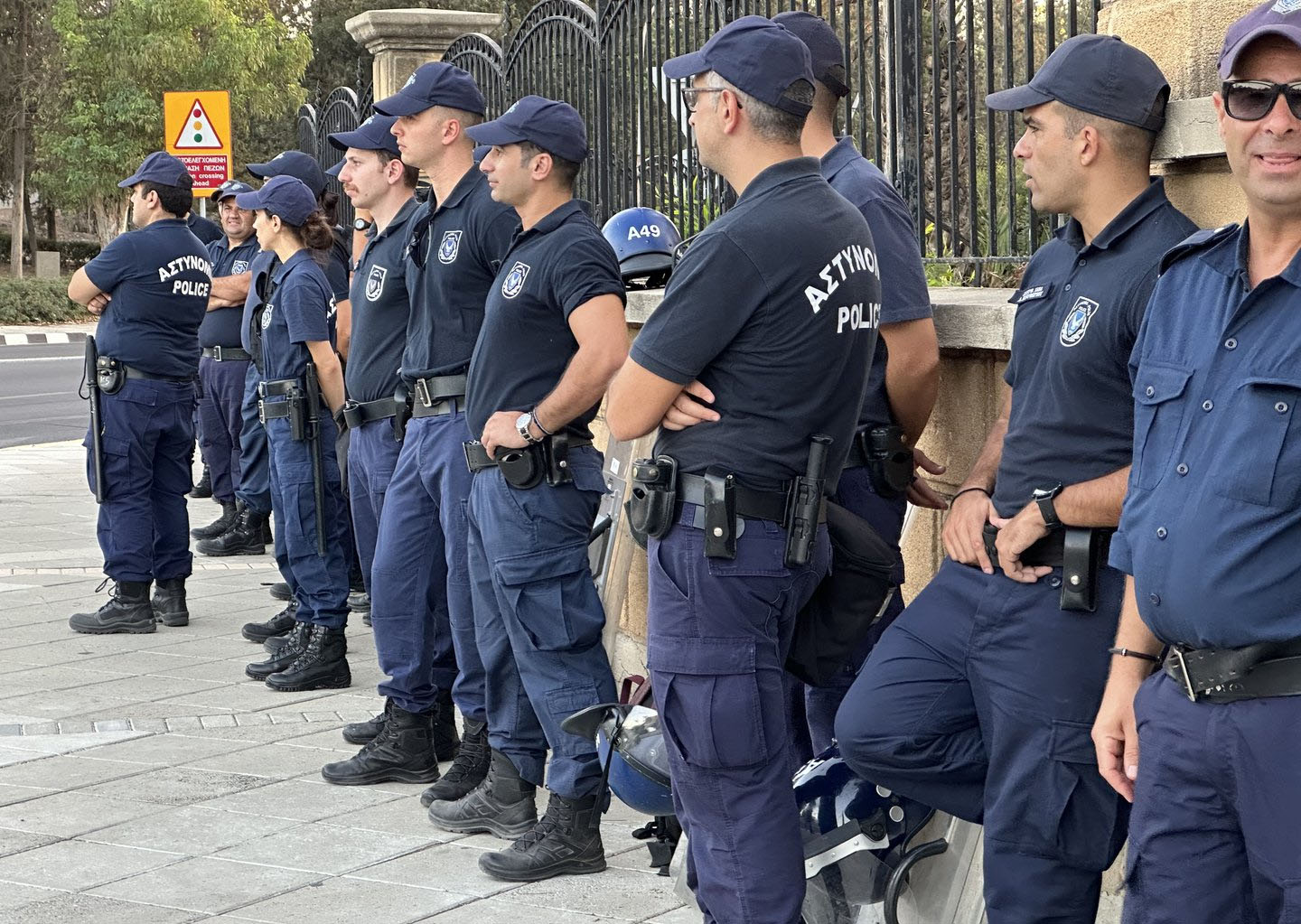
Police officers are already subject to more extensive checks than other public sector employees.
Under the existing police framework, officers who fall ill must submit a special medical certificate completed by their doctor, including the exact diagnosis of their condition.
Where “reasonable questions” arise over a period of absence, police directors may order inspections at an officer’s home to verify compliance with medical instructions. Surprise checks may also be carried out, while suspected cases of false illness can lead to disciplinary investigations.
Taking to Omega TV, Isotita union’s police branch spokesman Nikos Loizides criticised suggestions that police sick leave controls contain loopholes, describing them as “a government spectacle for applause”.
He said officers already face “the most stringent control over sick leave that goes beyond the individual human rights of police officers, even constitutionally.”
Loizides added that police officers are subject to stricter rules than other public employees, as they are not entitled to the eight uncertified sick days available elsewhere in the public service.
“This is not only dictatorial but also goes against the labour regulations of Europe,” he said.
Justice Minister Costas Fitiris is leading efforts to amend legislation governing sick leave in the civil service.
The proposed changes follow reports of cases involving prolonged absenteeism among civil servants, although ministers have stressed that the aim is to tackle abuse rather than penalise employees with genuine medical conditions.
Under the current civil service system, employees can receive up to 42 days of sick leave before being referred to a medical board.
If approved, leave may then be extended by six months on full pay, followed by a further six months on half pay.
The government has argued that weaknesses in the existing framework have allowed some employees to remain absent for extended periods by briefly returning to work before restarting the sick leave process.
Authorities have said any reform will focus only on proven misuse and will not affect workers whose health conditions genuinely prevent them from carrying out their duties.





Click here to change your cookie preferences