
The head of the International Maritime Organisation (IMO) has condemned renewed attacks on commercial vessels in the Red Sea, warning that the violence is endangering seafarers and placing further pressure on global supply chains already struggling with disruption across the Middle East.
The warning followed attacks on two Saudi oil tankers claimed by Yemen’s Iran-aligned Houthis, who said they targeted the Encelia and Layla with ballistic and cruise missiles, as well as drones, after announcing a naval blockade against Saudi ports.
“I unequivocally condemn the latest reported attacks on international shipping in the Red Sea area. These attacks are indefensible,” IMO Secretary-General Arsenio Dominguez said in an IMO statement, adding that they threatened “the security of international shipping, the marine environment and the stability of global supply chains”.
Saudi authorities confirmed that the Encelia was struck, causing a fire on the tanker’s bow, although all crew members were reported safe. Measures were also taken to secure the vessel and prevent environmental damage.
The United Kingdom Maritime Trade Operations agency received a report of a tanker being hit by an unknown projectile in the same area, while the crew fought a fire on board. No casualties or environmental impact were reported. However, while the attack on the Encelia was confirmed, the Houthi claim that the Layla was also hit could not be independently verified, Reuters reported.
Dominguez stressed that “seafarers are civilians performing essential work that sustains economies and communities worldwide” and called on ship operators to thoroughly assess the risks before entering the region.
“Seafarers must never be placed in harm’s way or targeted in situations of conflict or instability,” he said.
The attacks have already begun to affect commercial decisions. Five tankers changed course in the Red Sea following the Houthi warning, while indicative war-risk premiums for voyages through the southern part of the waterway rose from around 0.3 per cent of a vessel’s value last week to more than 1 per cent. Rates for some Saudi-linked ships and vessels calling at southern Saudi ports were quoted as high as 3 per cent, according to insurance sources.
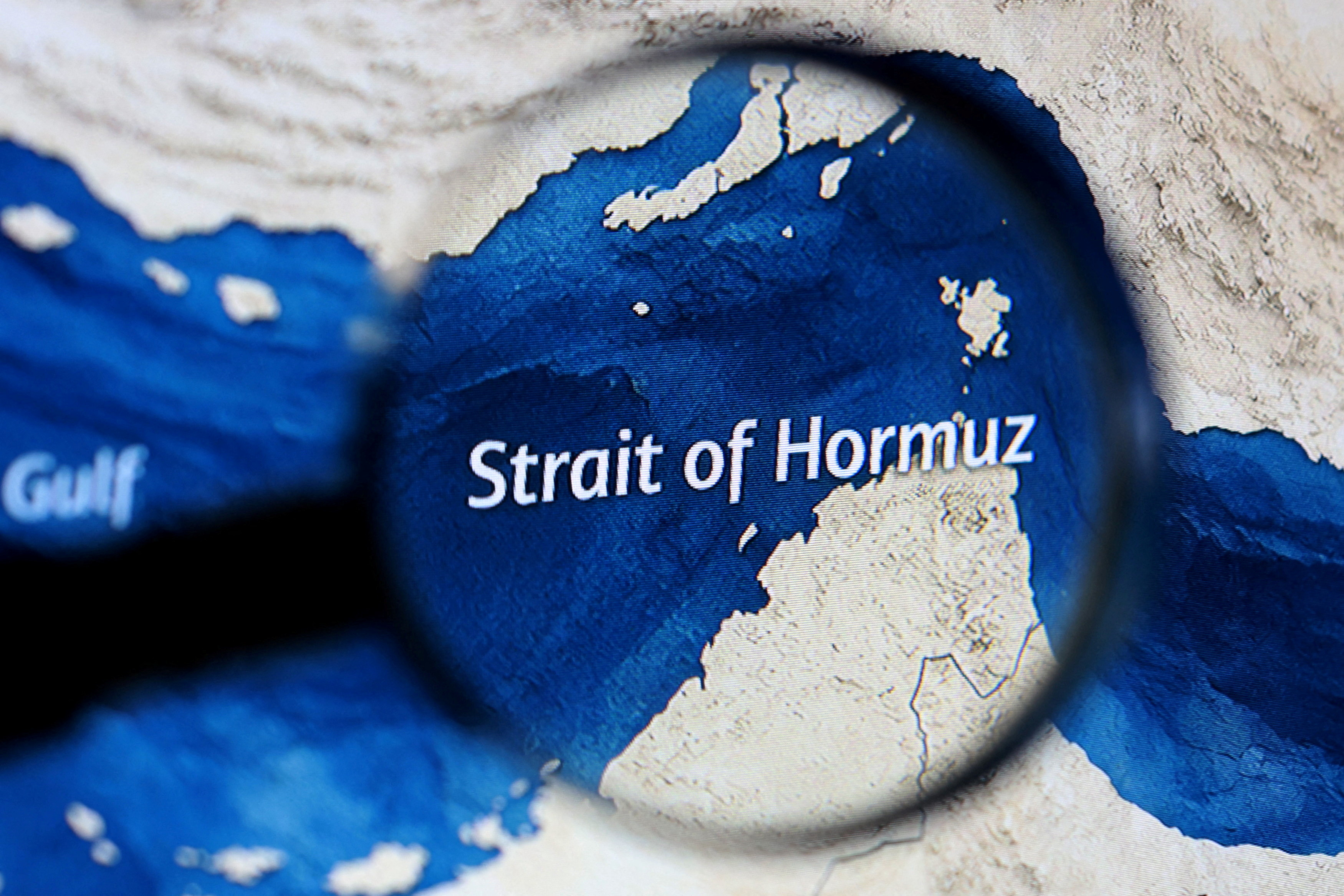
Even small increases can add hundreds of thousands of dollars to the cost of a seven-day voyage, while renewed danger in the Red Sea means shipping companies are now managing heightened risks around both the Bab el-Mandeb Strait and the Strait of Hormuz.
Meanwhile, Dominguez renewed his call for the immediate and unconditional release of 44 seafarers held by pirates and armed robbers aboard the MT Honour 25, Eureka and Sward. The three vessels were hijacked in separate incidents between April and May off Somalia and in the Gulf of Aden.
According to IMO data, 24 attempted or actual incidents of piracy and armed robbery were recorded in the Red Sea and Gulf of Aden during the three months to July 6, involving increasingly dangerous weapons and greater violence against crews.
Dominguez said ensuring the captives’ safety was “a fundamental obligation under international law and a shared responsibility of the global community”, while warning that continued attacks risked escalating tensions, disrupting commercial routes and undermining freedom of navigation.
He also expressed concern over possible pollution from the latest incidents and earlier attacks in the Strait of Hormuz, adding that the IMO would continue to monitor developments and assist where necessary.
“De-escalation is the only solution,” Dominguez concluded.




Click here to change your cookie preferences