
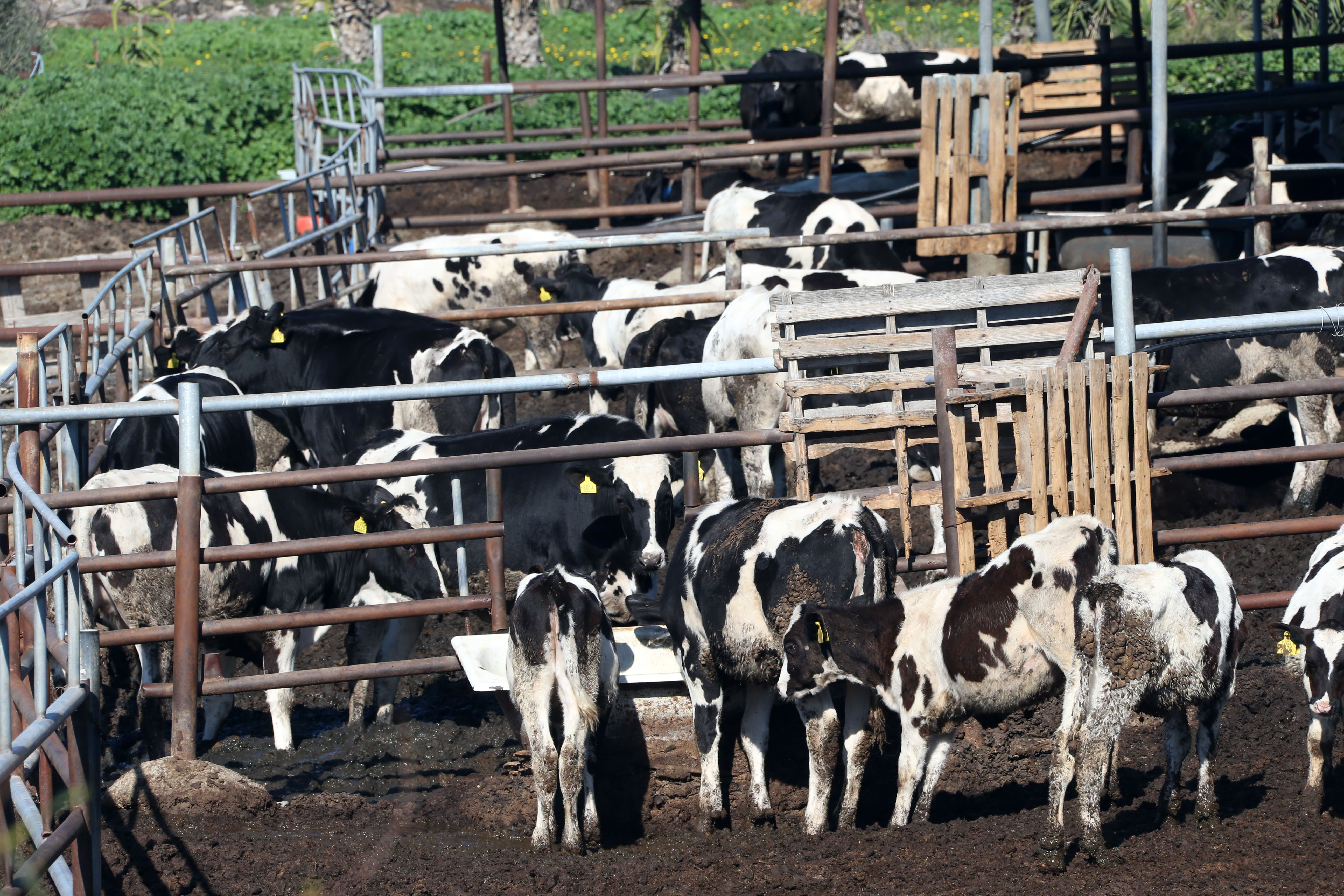
Cyprus’ foot-and-mouth disease outbreak is now under control, and the epidemic is in decline, with all but two livestock units testing negative as surveillance continues across the island, a senior veterinary official said on Monday.
Dr Demetris Epaminondas, a member of the epidemiological team and president of the Cyprus Veterinary Association, said more than 90 per cent of livestock units nationwide have now completed a two-dose vaccination programme, while over 30 per cent have undergone inspections as part of the second phase of epidemiological surveillance.
“We are in the second phase of surveillance, which began in mid-June. More than 30 per cent of livestock units across Cyprus have now been inspected,” he said.
Apart from two units that remain under investigation, all others have tested negative.
“This presents a very positive epidemiological picture. It shows that we are essentially at the tail end of the outbreak and that we have much better control of the situation. At this moment, the outbreak is under control,” Epaminondas said.
He added that the high summer temperatures are also helping destroy the virus and limit its spread.
Despite the improving picture, Epaminondas cautioned that further easing of restrictions will depend on expanding surveillance.
“We need to significantly increase epidemiological monitoring and reach a much higher percentage of investigations before we can introduce additional relaxations,” he said.
He noted that several restrictions have already been lifted, measures he believes will help livestock units gradually resume normal operations.
However, he warned that grazing remains a risk.
“Grazing is something that can still spread the virus, even during periods of high temperatures,” he said, adding that authorities should take advantage of the summer months to reduce the virus’s survival in the environment.
Epaminondas said the double vaccination campaign has now been completed in more than 90 per cent of livestock units across Cyprus, covering much of the animal population.
He added that issues affecting the vaccination rollout in Paphos have been resolved and that the programme is now progressing according to schedule.
Looking ahead, Epaminondas said a livestock sector reconstruction plan being prepared by a team led by special scientific committee head Stavros Malas aims to strengthen biosecurity, particularly in areas where many livestock units operate in close proximity.
He said preparations for the coming winter had also been well planned.
“We have put together good planning and good preparation for the winter ahead,” he said.
He stressed that vaccination and biosecurity measures will remain in place for an extended period to prevent the virus from returning, noting that authorities in the north carried out only an initial vaccination campaign without implementing further control measures.
Epaminondas also urged livestock farmers to use the summer months to thoroughly clean and disinfect their farms in preparation for winter, reducing the risk of future outbreaks.
He appealed to farmers who remain reluctant to vaccinate their animals to reconsider.
“Farmers who refuse vaccination must understand that this refusal could worsen the situation,” he said.
“The protection provided by vaccination is important not only for themselves but also for their neighbours. We should all think about the common good.”





Click here to change your cookie preferences