
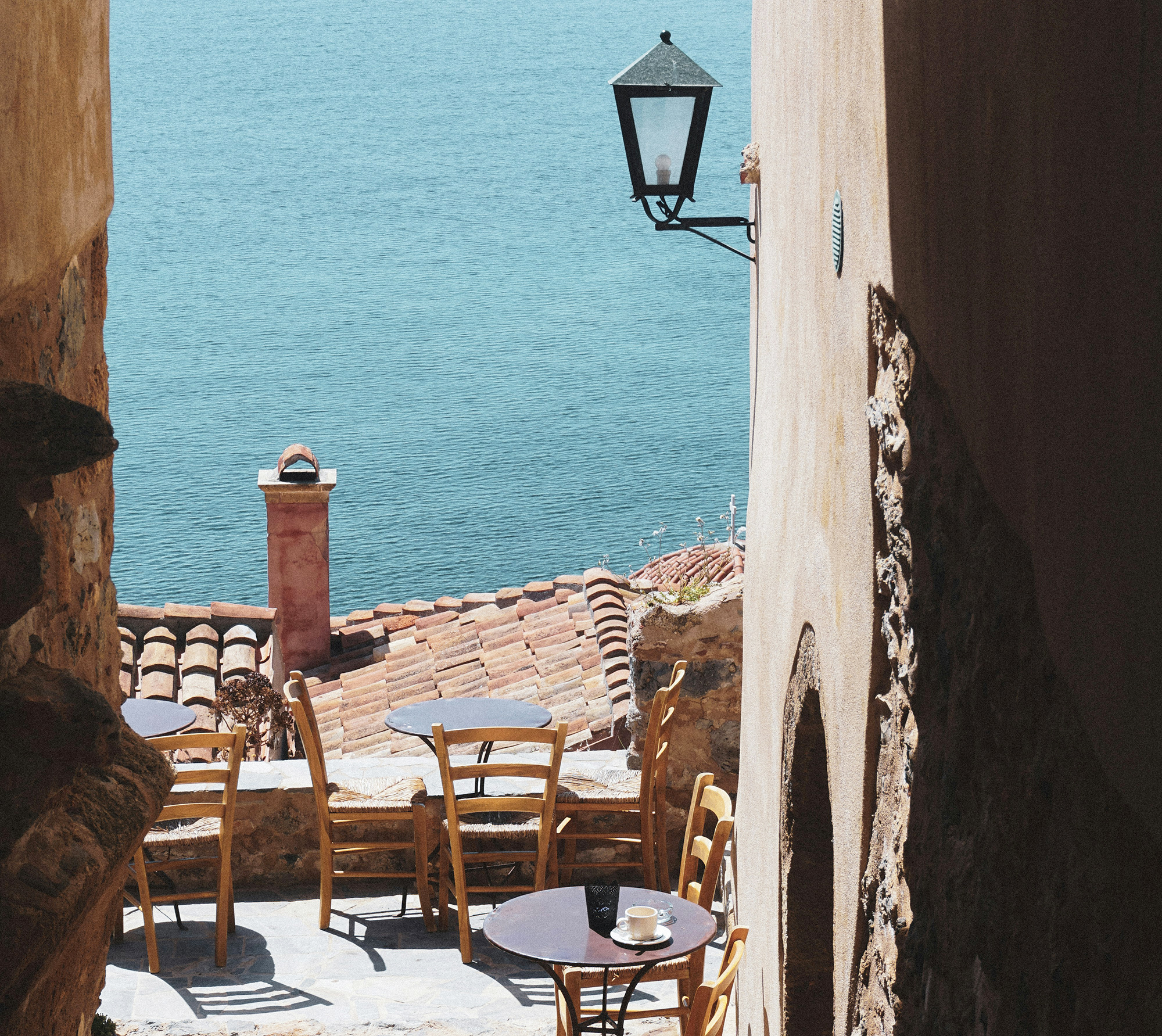
As children live in a very different reality to their parents, have the ways of the region been lost for ever?
People often say that life in Cyprus moves at a slower pace. Visitors imagine lazy afternoons, outdoor cafés, and close communities where everyone still has time to chat. But even though Cyprus is known for its sunshine and relaxed way of life, many who live here say they feel tired. Burnout, feeling overwhelmed, and the pressure to always be online can make us wonder if we really are living the Mediterranean lifestyle we think we are.
Has Cyprus become a place where the slower rhythm is lost, or has the Mediterranean way of life never been as simple as it sounds?
Business and organisational psychologist Dr Maria Charalampous says that for Cyprus, it is a bit of both. “On the one hand, many still enjoy the benefits of Mediterranean life, such as spending time outdoors, strong family and social connections, and a generally warm and welcoming culture,” she says. “On the other hand, people are also facing increasing pressures related to work, the cost of living and the fast pace of modern life.”
According to Charalampous, financial strain adds to stress. “Many people work long hours and work very hard to compensate for salaries that do not always keep pace with the rising cost of living,” she says, also noting the effects of workplace culture, where many organisations still encourage long hours, high expectations and an “always on” mentality that makes it difficult for people to properly rest.
This issue, of course, extends beyond Cyprus. According to Charalampous contemporary living has left many individuals in a perpetual state of stimulation. “We live increasingly busy lives and are constantly exposed to information, notifications and social media content,” she says. “Expectations have also become much higher, whether those expectations come from work, society or even ourselves”.
Even after work ends, it’s very hard for most of us to switch off. Instead, leisure time is spent checking notifications, emails, social media, and an endless stream of online content. “Technology has profoundly affected our ability to switch off and rest,” Charalampous says, “We are constantly connected, constantly available and often expected to respond quickly”.
She argues that this is not the only way by which continuous connection impacts our lives. “We are very often together with other people while thinking about what other people are doing on our phones and what we should do next,” she says. “This dramatically reduces our ability to be in the present moment and mindful of what we are experiencing”.
Even though many use their phones as a way to relieve stress, this may only be exacerbating it. “Research suggests that excessive screen use may actually leave us feeling more mentally drained rather than refreshed,” she says. “Genuine rest allows our minds and bodies to recover, whereas endless scrolling often keeps our brains engaged, stimulated and processing new information”.
The difference she adds is a significant one: “Leisure, relaxation and psychological rest are not exactly the same,” she explains. Whereas leisure is just about how we use our spare time, “true psychological rest goes deeper. It is a state where we feel mentally restored and free from constant demands, pressures and stimulation.”
Although technology and the current working world have definitely influenced rest for people, they are not the only factors involved. Life itself has changed pace too, especially in the urban areas of Cyprus.

Dr Theodoros Kouros, a social anthropologist and lecturer at the Cyprus University of Technology, argues that the traditional image of a slow Mediterranean way of life does not describe the lives of many people living on the island anymore.
“Slow Mediterranean life is not a neutral description; it is also a marketing category, manufactured largely for tourism boards, real estate brochures, and now the ‘digital nomad’ relocation industry,” he says. “It promotes a fantasy of pre-modern, ‘authentic’ leisure”. For many people living on the island, however, everyday life looks very different.
“The perception may be seen as actively obscuring whose time is being taken, whose haste is necessary to produce someone else’s ‘slowness’,” Kouros says.
The change is especially evident in Limassol, where fast urban development has impacted the city’s geography and the lives of its inhabitants.
“Locals talk about being priced out of their own coastline,” he says, arguing that young people live an entirely different world from their parents. “It’s not that younger people lack resilience or have different expectations; it’s that the floor beneath them has been removed.”
Kouros cites a number of practices that used to exist in the past, which naturally instilled in people the habit of slowing down and engaging with others. The midday break, when stores closed and people returned to their homes to eat lunch and rest, structured the day quite differently compared to today’s non stop rhythm. Name day celebrations, evening strolls in villages and neighbourhoods, and communal activities like olive harvesting were all practices that created an opportunity for socialising.
However, he cautions against romanticising the past. While these practices helped foster stronger communities, they also reflected a time of fewer employment opportunities, more limited mobility, and greater expectations placed on family members, particularly women. “My honest response isn’t nostalgia for a slower past; it’s recognising that today’s acceleration has costs without pretending the old rhythms were costless either,” he says.

Click here to change your cookie preferences