
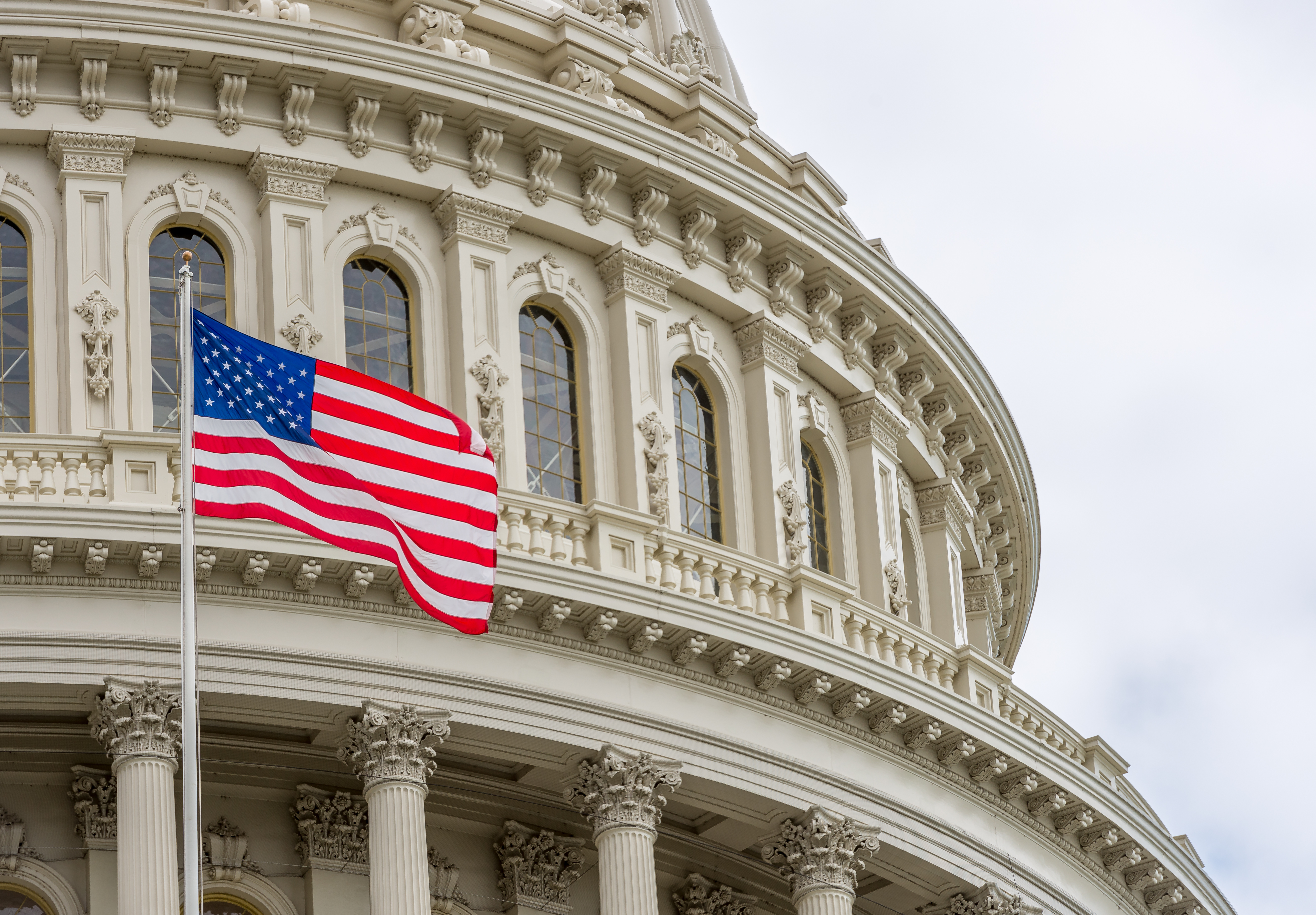
A large majority of the US Senate backed sweeping Russia sanctions legislation on Friday, advancing a long-delayed measure backed by the late Senator Lindsey Graham and setting the stage for consideration by the House of Representatives as soon as next month.
European Commission President Ursula von der Leyen welcomed the vote. “Coming on the back of the EU’s 21st package, I welcome the US Senate’s adoption of the Graham Bill,” von der Leyen wrote on X.
“Together, let us drain Russia’s means to continue a war it cannot win. With hard-hitting, complementary sanctions, Europe and the United States can once again show what historic partners can achieve when we act together,” added von der Leyen.
Ukrainian President Volodymyr Zelenskiy expressed thanks to the US Senate on Friday. “We are very grateful to the U.S. Senate and to everyone who supports Ukraine,” Zelenskiy wrote in English on social media platform X. “Adopting the Lindsey Graham Sanctioning Russia and Iran Act certainly helps increase pressure on the aggressor to bring this insane Russian war against our independence and our people to an end.”
Graham, a South Carolina Republican, was among Kyiv’s most outspoken allies in Congress in its four-year-old war against Russia, and the bill aims to increase economic pressure on Moscow over its invasion of Ukraine.
It also includes expanded sanctions on Iran sought by President Donald Trump as lawmakers moved to finally pass the measure well over a year since it was introduced.
As voting continued, the tally was 68 to nine in favour of the “Lindsey O Graham Sanctioning Russia and Iran Act of 2026,” which would impose sanctions on Russian officials and authorize stiff tariffs on China, India and other countries to reduce their dependence on Russian oil and gas.
Broad support for tougher sanctions on Russia may not be enough to secure House passage, with some lawmakers wary that new tariff powers for Trump could raise costs for US importers and consumers while exposing Republicans to political blowback.
Trump’s fellow Republicans control slim majorities in both the House and Senate.
If it becomes law, the bill would allow Trump to impose tariffs of up to 100 per cent on countries that are major consumers of Russian energy, including India, Japan and some countries in the European Union, and leave it to his discretion to lift them.
But the legislation’s backers insist the tariffs are narrow enough that they would do their intended job of reducing Russian energy revenue that funds its war on Ukraine without negative consequences.
They said the agreement is the best opportunity for Congress to pass legislation to support Ukraine and a strong bipartisan Senate vote would provide momentum for it to pass the House.
Graham had announced shortly before his sudden death on July 11 that he and Trump agreed finally to move forward with the legislation, for which Graham had been advocating for well over a year.
Ukrainian President Volodymyr Zelenskiy, who attended Graham’s funeral in Washington and met with Trump, watched an early procedural vote on the bill last week. He said the sanctions legislation would hit Russia’s ability to finance the war, while sending a powerful signal about US support for the Ukrainian people.
“It’s also a big signal to Europe, big signal to Ukraine, big support of our people, so I’m very thankful,” Zelenskiy told reporters at the time.
The bill’s backers said the legislation lets the president impose targeted tariffs on imported goods from countries that buy the vast majority of Russian oil or gas and enable Russia’s evasion of sanctions.
They said the bill limits these tariffs to the five largest importers of Russian crude oil or gas and the top five countries that aid Russia’s energy sanctions evasion. The measure includes a provision to prevent a lapse in sanctions authority that restricts funding for Iranian energy and weapons.




Click here to change your cookie preferences