
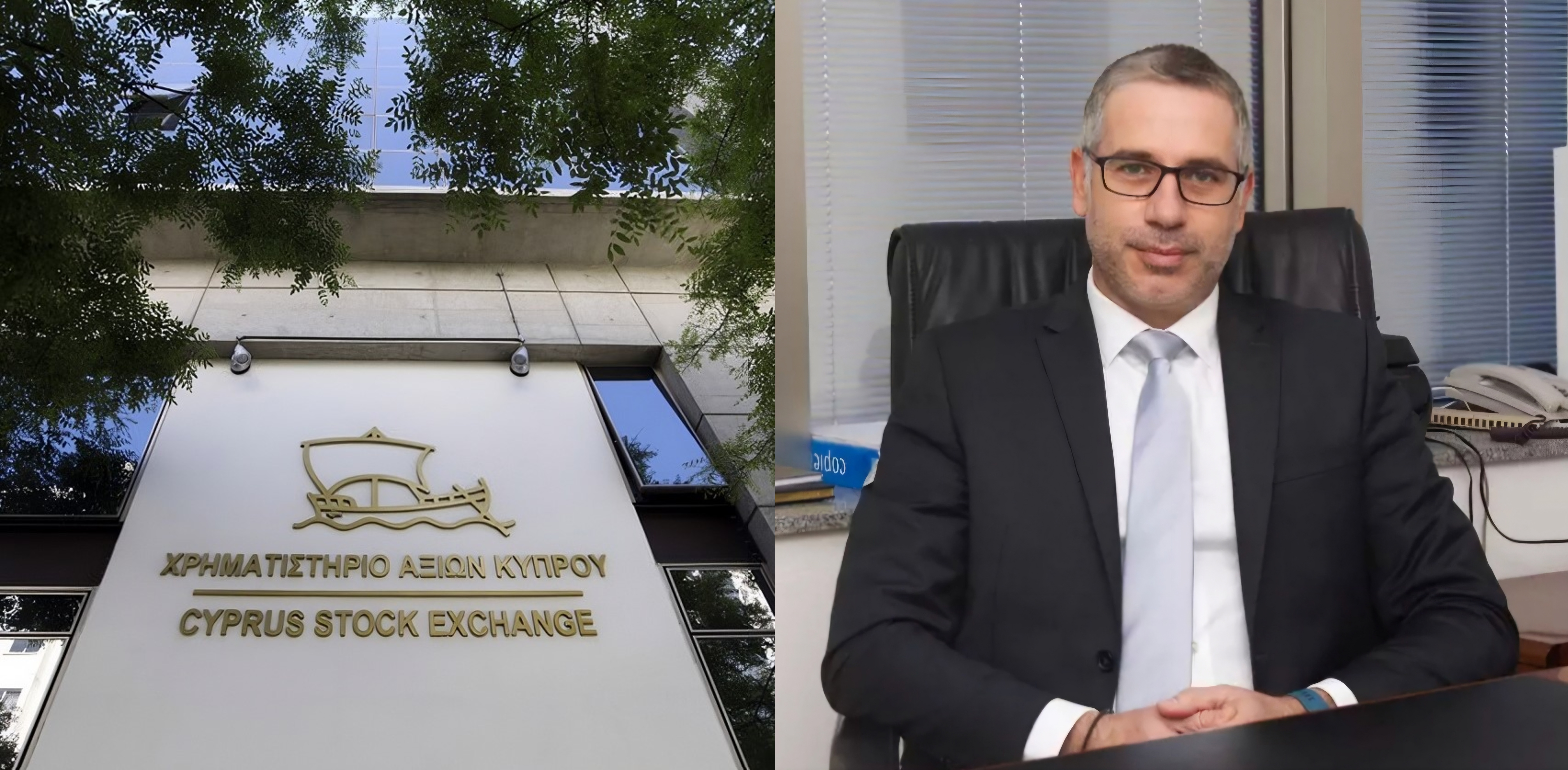
The Tel Aviv Stock Exchange, known in financial circles as “the Bursa”, is considering a bid for the Cyprus stock exchange (CSE), according to Israeli media reports.
A source close to the finance ministry told the Cyprus Mail on Thursday that efforts to complete the private tender are “nearing a close” and “only require the approval of attorney-general George Savvides before they proceed”.
The source explained that a purchase by Tel Aviv would grant Israel greater access to the Eurozone market.
The CSE holds a full operating licence in the European Union, along with its trading platform and clearing house, that being the process that confirms each trade after a deal is struck.
Israeli media likewise reported that this foothold in the euro area is the main attraction for Tel Aviv, with the Bursa intending to compete once the tender is published.
The CSE itself is relatively small, with a value estimated at between €20 million and €40 million, while the Bursa is comparatively far larger, with a market value of about €3.5 billion.
Marinos Christodoulides, chairman of the exchange’s council, explained to the Cyprus Mail that new private ownership would benefit a market of its size.
He said such an owner would give the exchange “greater access to capital and grant businesses significantly more liquidity”, making shares easier to buy and sell for stockholders.
He remarked that the knowledge of Israeli financial systems and stockbrokers would be an “invaluable asset to the exchange’s standing”, should interest be shown.
After the House passed the privatisation law, Christodoulides said the aim was to turn the exchange into a “competitive regional capital markets centre”.
The government decided to privatise the exchange last year, with Deputy Minister to the President Irene Piki confirming the finance ministry would run an international tender for a strategic investor.
She said the sale would improve the exchange’s ability “to attract new listings” and bring more investment from domestic and international institutions and individual investors.
The government aims to sign a sale agreement with the winning bidder by the end of this year.
The CSE is wholly owned by the state and supervised by the exchange commission.
Its main listed companies include Bank of Cyprus, the country’s largest bank, valued at €4.6 billion, Hellenic Bank, the second largest, valued at €2.3 billion, the real estate company Yoda, valued at €3.2 billion, and the cement and infrastructure company Vassiliko Cement, valued at €500 million.
Foreign investors already hold some 36 per cent of the CSE’s market value.
Israeli media reported that present CSE employees are expected to receive retirement packages from the Bursa as part of the privatisation bid.
Several issues remain with the CSE, for trading volumes are at present very low, which is the main reason the exchange is not profitable.
Annual revenue is only between €4 million and €7 million, most of which stems from the trading of foreign company bonds, while the Bursa made about €160 million in revenue and about €51 million in net profit last year.
Tel Aviv is not expected to be the only suitor, as the Athens exchange, purchased last year by Euronext for €413 million, has shared a trading and clearing platform with Cyprus since 2006, which could give it an advantage.
The Indian national stock exchange likewise stands in contention for the bid, having signed a memorandum of understanding with the Cyprus exchange several months ago to explore investment, new financial products and dual listings.
The Bursa presented a new strategic plan last month that would create a listed holding company, which would allow it to make acquisitions and take on strategic partners, with Israeli media reporting that a Cyprus purchase would fit such a strategy.




Click here to change your cookie preferences