
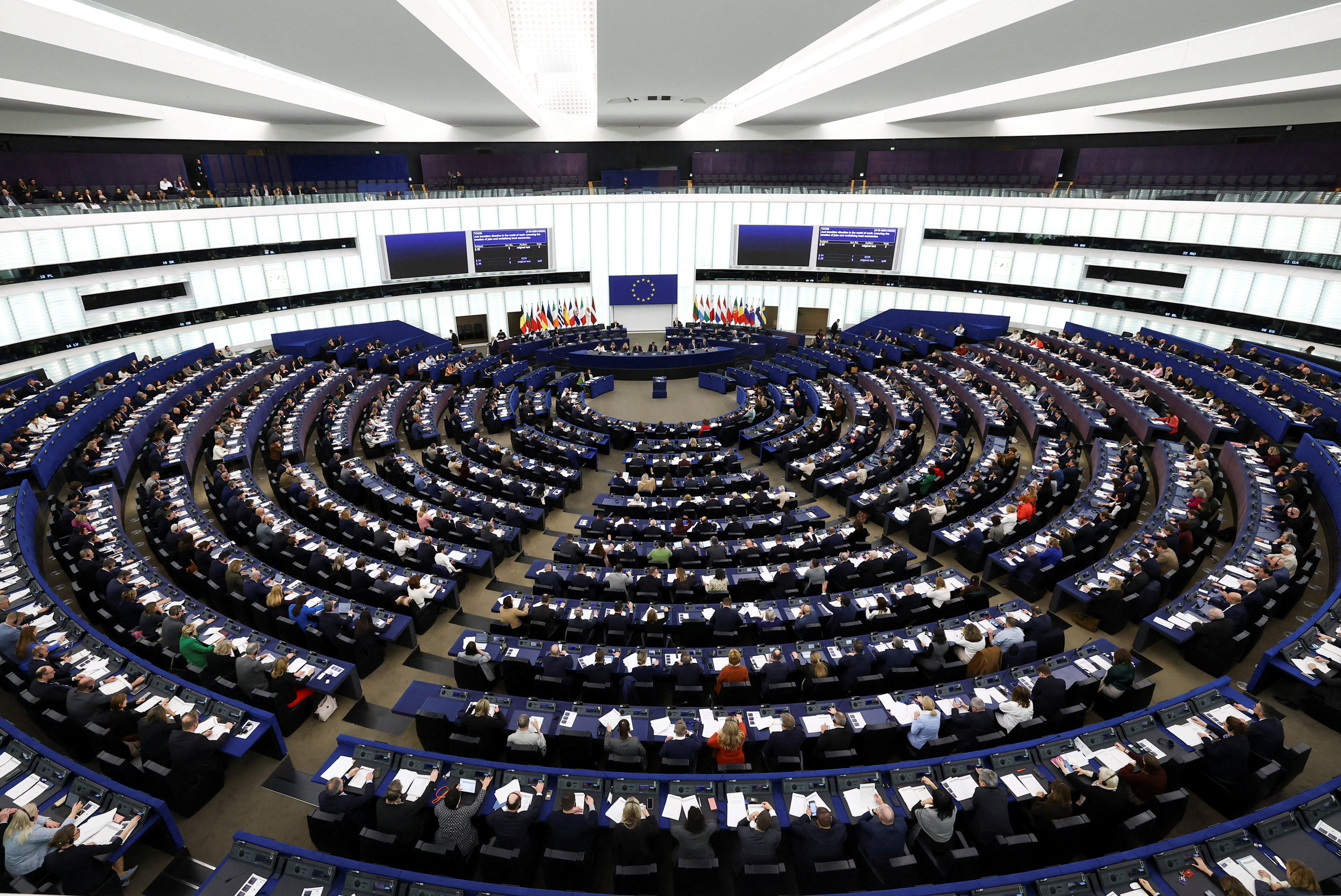
Members of the European Parliament will on Thursday morning debate the matter of “persistent Turkish provocations” in both the eastern Mediterranean and Aegean seas, as well as related “escalations”, with the debate expected to be opened by the European Union’s foreign affairs chief Kaja Kallas.
The parliament said that MEPs will “examine the ongoing tensions in the region, including the actions and rhetoric of the Turkish government in the context of the need to respect international law, the United Nations charter, and the principle of good neighbourliness”.
MEPs’ interventions, it said, are “likely to focus on unilateral claims in the Aegean and the eastern Mediterranean, challenges to the sovereignty of the Greek islands, and actions directed against the Republic of Cyprus”.
It added that “the debate is also likely to touch on the implications of these developments for the ongoing efforts to find a comprehensive solution to the Cyprus problem”.
The debate comes with the Greek government continuing to report “airspace violations” being conducted by Turkey, with the Greek military saying that on Tuesday, a total of seven Turkish aircraft – two F-16 fighter jets, a CN-235 surveillance aircraft, and four drones – violated the country’s airspace.
Turkey disputes this version of events as it does not recognise the Greek claim to all airspace within 10 nautical miles of its coast. Greece is the only country to claim more airspace than territorial waters, something which Turkey says violates the international civil aviation organisation (Icao)’s statutes.
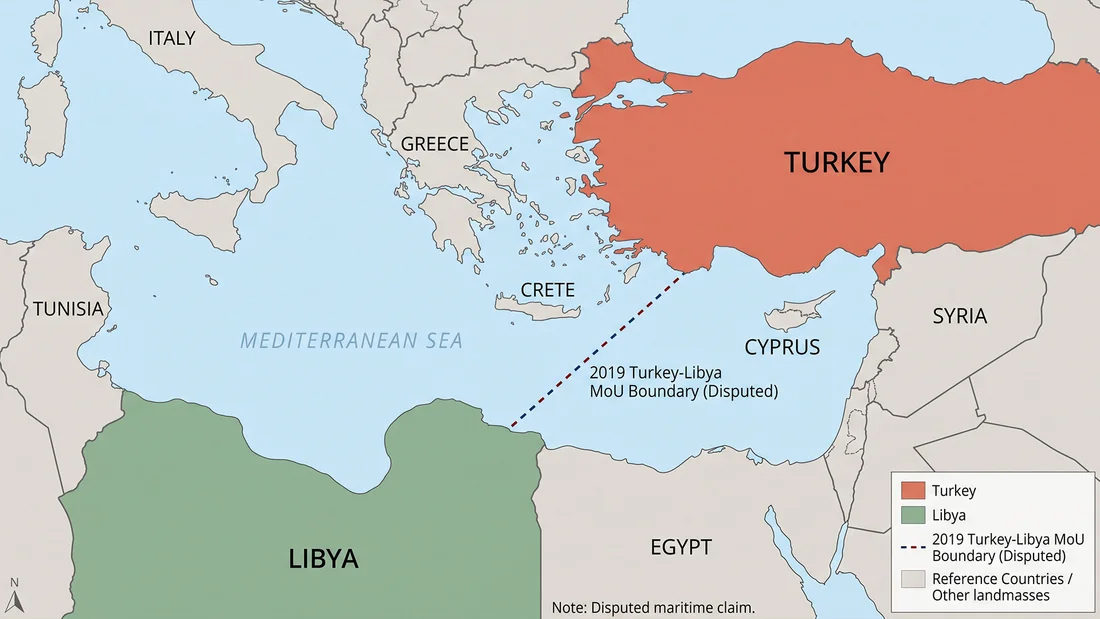
In the eastern Mediterranean, tensions have been raised over the matter of energy, with plans afoot for seabed surveys to be conducted between Crete and Cyprus for the construction of the Great Sea Interconnector cable, which Turkey says passes through its own exclusive economic zone (EEZ).
Meanwhile, Turkey, too, is conducting seabed surveys between its own mainland and Cyprus for the construction of a natural gas pipeline, with Kallas herself having previously intervened on this front, calling on Turkey to “respect” the Republic of Cyprus’ sovereignty.
Turkish President Recep Tayyip Erdogan had made reference to the disputes in the Aegean and eastern Mediterranean seas during his address to the United Nations general assembly last month, saying that “we wish to see existing issues resolved on the basis of good neighbourly relations and in accordance with international law”.
Additionally, he made reference to plans for an “eastern Mediterranean conference” to be convened, bringing together leaders from the region to discuss regional issues.
Click here to change your cookie preferences