
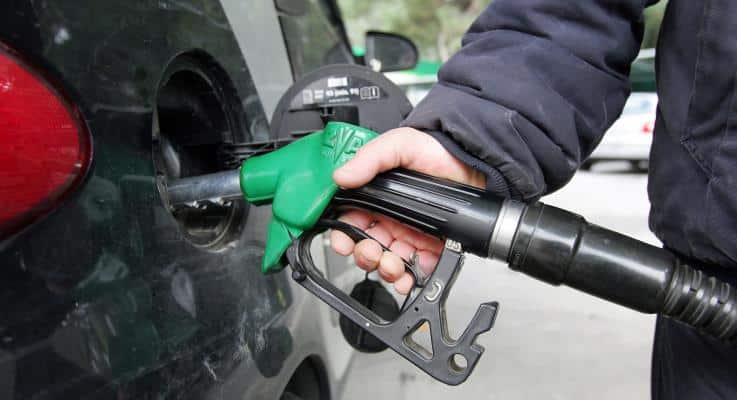
Petrol and diesel prices in Cyprus have risen by less than the European Union average, with the difference ranging from two to eight cents per litre, the Consumer Protection Service (CPS) said on Tuesday.
Citing data from the European Commission’s EU Oil Bulletin, the CPS said the retail price of unleaded 95 petrol in Cyprus had risen by 27 cents per litre, compared with an EU average increase of 29 cents.
Similar increases were recorded in Poland, at 27 cents per litre, and Greece, at 26 cents, while Belgium and Italy recorded increases of 34 cents per litre.
The retail price of diesel in Cyprus increased by 36 cents per litre, eight cents below the EU average increase of 44 cents.
This compared to record price increases in Belgium, 54 cents per litre, and Greece, 47 cents per litre.
Belgium recorded an increase of 54 cents per litre and Greece 47 cents, while increases in Poland and Italy stood at 39 cents and 38 cents respectively.
The CPS said consumer protection and ensuring the smooth functioning of the market remained key priorities, adding that it was closely monitoring fuel price trends and assessing prevailing market conditions.
It acknowledged the importance of fuel prices to consumers and their impact on transport costs and the broader cost of living.
“For this reason, market developments are assessed on an ongoing basis and the available data are examined with a view to the timely identification of any factors that may affect its smooth functioning,” the CPA said.
The energy ministry, meanwhile, said retail fuel prices were determined by a combination of factors and did not depend solely on movements in a particular international benchmark price.
These included distribution, insurance, transport and storage costs, broader market conditions and international reference prices for fuel.
It added that during periods of intense geopolitical developments and significant fluctuations in international oil markets, fluctuations in the cost of fuel products, as well as in the cost of insurance and freight could have a significant impact on the final market price.
It also pointed to the time lag between the purchase, import, transport and storage of fuel shipments and their eventual sale to consumers as an important factor when assessing retail prices.
According to the ministry, fuel price trends should therefore be assessed by taking all relevant factors into account, rather than simply comparing current crude oil or international benchmark prices with current prices at petrol stations.





Click here to change your cookie preferences