

Oh Cyprus. This has not been an easy year, has it?
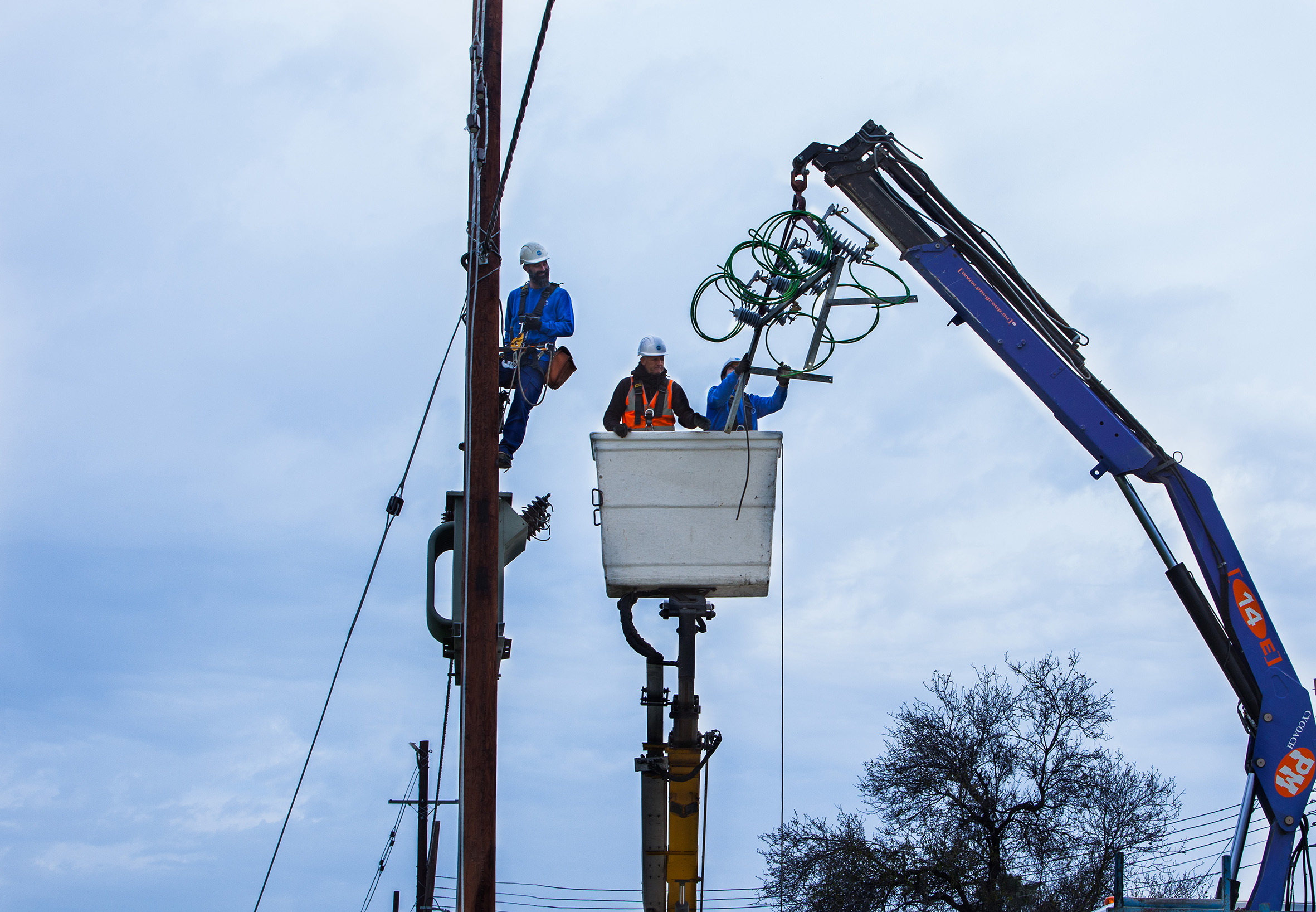
We’ve had dust clouds that wiped out the Troodos range. Rolling power cuts at the height of summer. Drought – and then flooding. At one point, there was a missile!
Food prices rose again; transport costs went up; and housing, water, electricity and fuel increased by nearly 6 per cent. By July, inflation was running at three per cent.
Salary isn’t everything
Okay, you know this already. It’s happening to you.
Especially the costs.
Too many of us are finding there’s too much month at the end of our money. And so our phone screen stays cracked; the wedding envelopes are a little too light; the car still goes clunk when we switch into fourth.
We’re not alone in this. Nearly 50 per cent of Cypriots say they struggle to make ends meet. Half of us (probably the same half) admit money causes stress and anxiety. And almost four in 10 are financially fragile.
Awful, isn’t it?
But here’s the good news: your salary isn’t the whole story.
“Of course a higher income helps,” says Dr Panayiotis Andreou. “But I have met people on very good salaries who are financially fragile, and people on modest incomes who are remarkably resilient.”
It’s a difference, he believes, that rarely comes down to one brilliant investment, a lucky break or knowing something the rest of us don’t.
It comes down to – well, let’s hear it from the expert himself…
The bad month
“It’s about what happens quietly, month after month,” says Panayiotis, who is not only Professor of Finance at the Cyprus University of Technology and President of the Financial Wellbeing Institute, but the man better known as Cyprus’ ‘Money Doctor’.
His work reaches well beyond academia, contributing to national policy discussions and financial-literacy initiatives. Yet he’s also one of those rare experts who can also talk to ordinary people. People like us, who still aren’t sure what diversification is, but suspect we ought to be doing it.
“Save before spending,” he explains. “Plan ahead with purpose and avoiding expensive debt. Pause before that impulse purchase. Start saving now instead of next month.
“And, perhaps most importantly, do not mistake wealth for financial security.
“You can own a house, a plot or another investment and yet still have very little financial breathing room,” he says. “Before you ask how to become richer, ask something more basic: could one bad month break me?”
Fear and FOMO
The Professor’s wider work focuses on that gap between financial knowledge and behaviour – especially in Cyprus, where appearing to have money and actually knowing how to handle it can be two very different things.
“The mathematics is often the easy bit. The formula can be perfectly logical. But,” he adds, well aware that we’re all just human, “a formula does not include emotion.
“It doesn’t include fear. Or FOMO. Or the midnight impulse purchase. Or that endless little voice that says, ‘I’ll start saving next month’.”
The MD Prescription
That’s not to say Panayiotis hopes we’re all sitting at home on Saturday night with a bowl of moutzentra.
Quite the opposite.
“Money is there to help us live,” he says. “Have the coffee. Go to dinner. Take the holiday when you can. Don’t stop enjoying today. Just make sure that tomorrow also gets a seat at the table.”
It’s this rare understanding of how money really works – both on paper and in the messy reality of everyday life – that sets Panayiotis Andreou apart. He’s Cyprus’ Money Doctor: the man who can not only diagnose our finances, but also show us how to make them much, much healthier. His biggest diagnosis for Cyprus?
“We’re trying to build wealth before we’ve built financial security. I always ask ‘if something unexpected happens next month, what happens to you?’”
The Cyprus solution
And the solution?
“I’d make people pay their future selves first. It’s the ‘Me First’ rule I repeatedly emphasise at Money Doctor: when the money comes in, put something aside immediately.
“If you’re young and money is tight, start with 1 per cent if that’s what you can manage,” he says. “The first victory is not the amount you start saving, whether it is €20, €50 or €100. The first victory is becoming the kind of person who saves first.
“Cyprus would be richer if we all stopped making tomorrow pay for today,”he concludes. “We rarely lose 10 years through a single terrible decision. We lose them one month at a time – 120 small postponements in a row.”
Which, when you think about it, is rather reassuring.
Because tomorrow won’t magically bring us a bigger salary, smaller electricity bill, or a car that doesn’t clunk. But it will come, nevertheless.
And if Cyprus’ Money Doctor says the prescription is to enjoy today and plan for tomorrow, that’s a prescription we’ll follow!
Dr Panayiotis C. Andreou, ‘The Money Doctor’, is Professor of Finance at the Cyprus University of Technology and creator of the Money Doctor® educational platform. He is collaborating with the Cyprus Mail to improve financial literacy across the island, with a new Money Doctor video released each week to help people make better-informed decisions about their money. moneydoctorcy.com
The Money Doctor series | Hosted within Cyprus Mail’s Financial Literacy initiative, which is supported by XM.



Click here to change your cookie preferences