

Cost of living remains top threat to financial security in Cyprus
The Financial Wellbeing Institute on Monday released its Financial Wellbeing Index report for 2025, which showed a modest improvement in the financial health of the population while revealing that many households remain under pressure.
The index reached 54.6 points this year, marking an increase of approximately four points compared to the findings in 2024.
Despite this upward trend, the data indicates that four in ten Cypriots, roughly 38.4 per cent of the population, remain in the two lowest categories of financial wellbeing.
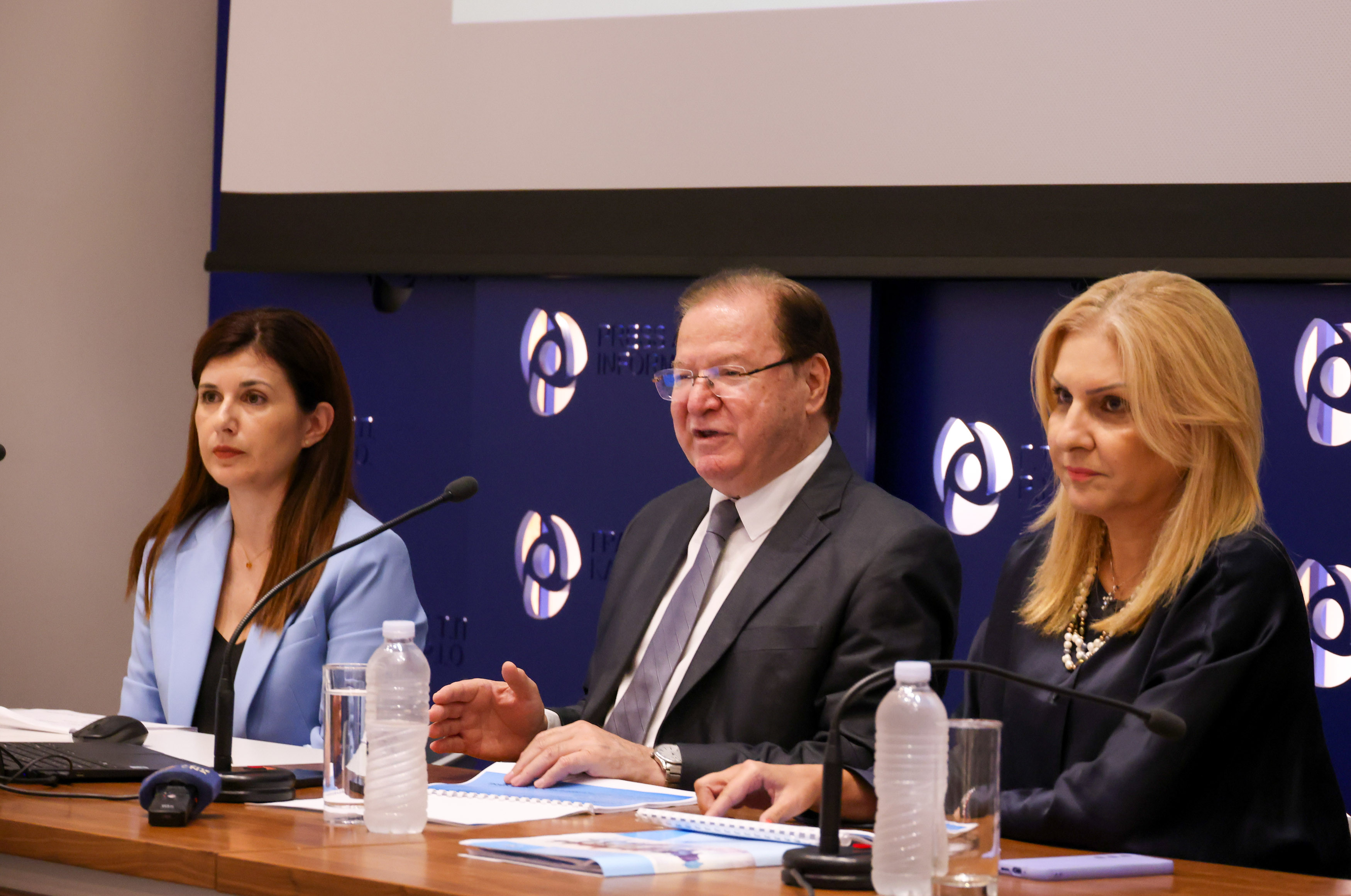
The findings, presented by the president of the Financial Wellbeing Institute, Panayiotis C. Andreou, categorise citizens into five distinct profiles ranging from the most vulnerable to the most thriving.
Currently, 15.4 per cent of the population is classified as financially vulnerable, while 23.0 per cent are described as financially struggling.
The remaining population includes 27.7 per cent who are financially adequate, 20.8 per cent who are financially secure, and only 13.1 per cent who are considered financially thriving.
The research, which was supported by Mastercard and conducted by IMR at the University of Nicosia, highlighted that financial stress remains the weakest dimension of the index.
This pillar is the only one to fall below the 50-point threshold, scoring just 48.8 points.
Almost one in two citizens, or 49.5 per cent, reported that financial issues are a source of stress and anxiety, while 45.1 per cent admitted they struggle to make ends meet.
Retirement planning has emerged as a major area of concern, with nearly half of the population doubting they will be able to maintain their current standard of living once they stop working.
People estimated that their state pension would cover 52.3 per cent of their final salary, whereas the actual replacement rate provided by the Social Insurance Fund is closer to 42 per cent.
When asked about the greatest threats to their economic stability, 26.1 per cent of respondents identified the rising cost of living as the single biggest danger to their financial security.
“At the Financial Wellbeing Institute, we believe that financial wellbeing is not only about income,” Andreou said. It is also about citizens’ ability to make informed decisions, plan for the future and face financial challenges with confidence.”
“The increase in the Index is a positive development, but it should not lead to complacency,” he added.
“When nearly four in ten citizens are located in the two lowest financial wellbeing categories and one in two experiences financial stress, it is clear that improvement has not yet translated into genuine financial security for everyone,” Andreou continued.
He further explained that targeted interventions in financial education, retirement planning, and household financial resilience are required to address these persistent challenges.
The index itself is calculated based on three core pillars, which include financial resilience, perceived financial security, and levels of stress and anxiety.
The survey was conducted in November 2025 using a nationwide sample of 809 permanent residents of Cyprus between the ages of 18 and 64.




Click here to change your cookie preferences