
Unusual summer rainfall and occasional hailstorms in Cyprus have created favourable breeding conditions for mosquitoes, microbiologist Dr Petros Karayiannis said on Tuesday, warning that climate change could make such conditions increasingly common.
Karayiannis told the Cyprus News Agency that rainfall in August had left standing water in riverbeds, pools and other areas, providing ideal conditions for mosquitoes to reproduce.
“We are now seeing considerable rainfall even during the summer,” he said. “Rivers flow and water inevitably remains in some pools and riverbeds, which are ideal breeding grounds.”
He said there was also concern over mosquitoes increasingly biting during the daytime, rather than predominantly in the early morning and evening.
Some bites were causing inflammation which could take time to subside, he added.
Karayiannis advised people to use insect repellent and wear long-sleeved clothing.
Fans can also help in the evening by keeping air moving, particularly in homes without air conditioning, he said.
He also urged households to remove containers and other objects holding standing water from gardens and outdoor areas.
On mosquito-borne diseases, Karayiannis said West Nile virus was currently the main concern in Cyprus, contrasting the situation with southern European countries such as Italy, France and Spain, where cases of chikungunya and other mosquito-borne diseases have been recorded.
He said the risk of diseases such as dengue or yellow fever becoming established in Cyprus remained remote, although imported cases were possible.
Karayiannis also noted the presence of the Asian tiger mosquito in Cyprus, a species capable of transmitting over 20 different pathogens and viruses and expressed hope that a cold winter would help reduce its population.
He said continued surveillance by the EU and the European Centre for Disease Prevention and Control (ECDC) would be important, alongside work on rapid diagnostic tests and potentially vaccines and antiviral treatments.
“I believe we will face a problem in the future, also because of the climate crisis,” he said.
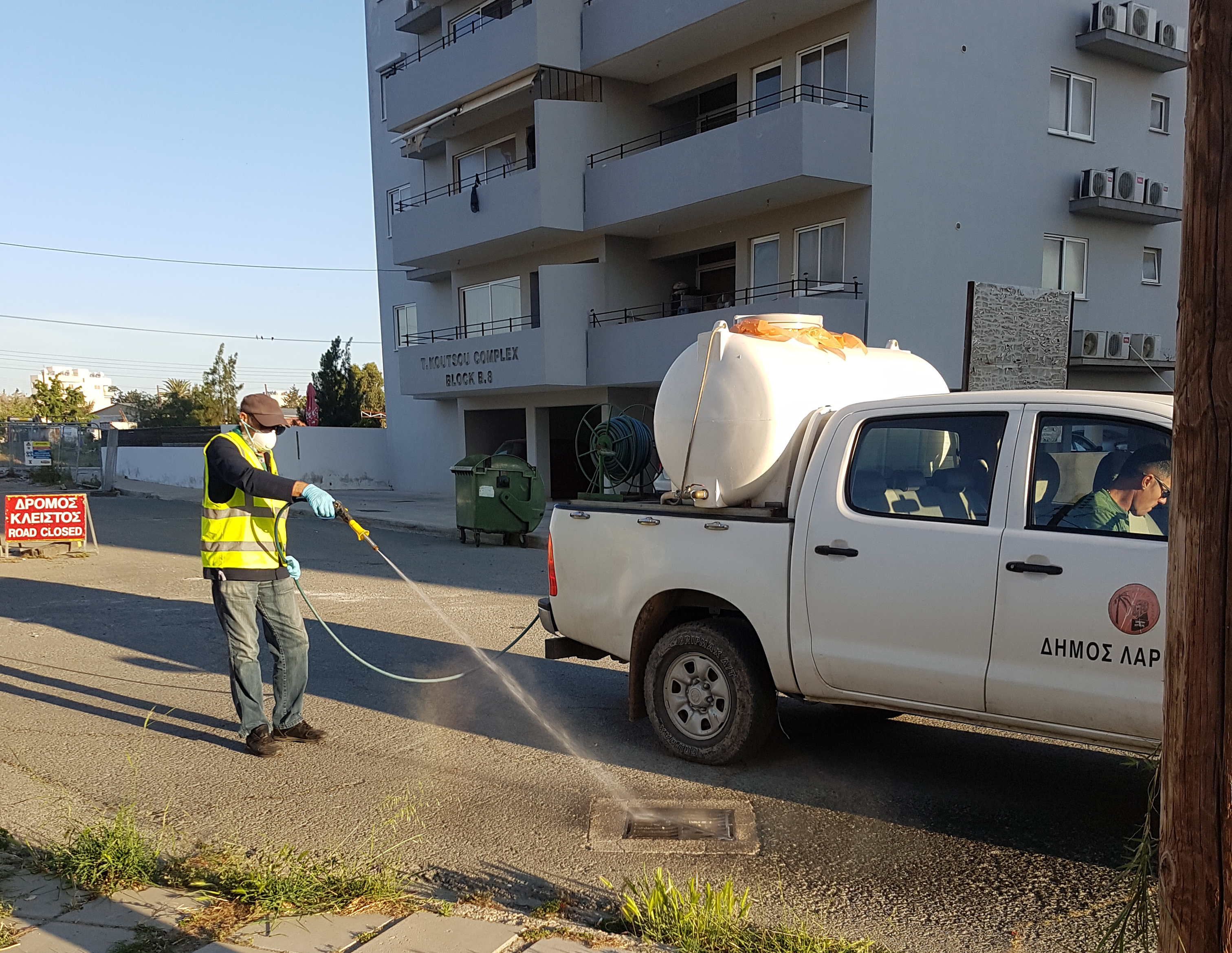
Karayiannis added that while local authorities were carrying out mosquito-control spraying, some remote areas, particularly in the mountains, were difficult to reach.





Click here to change your cookie preferences