
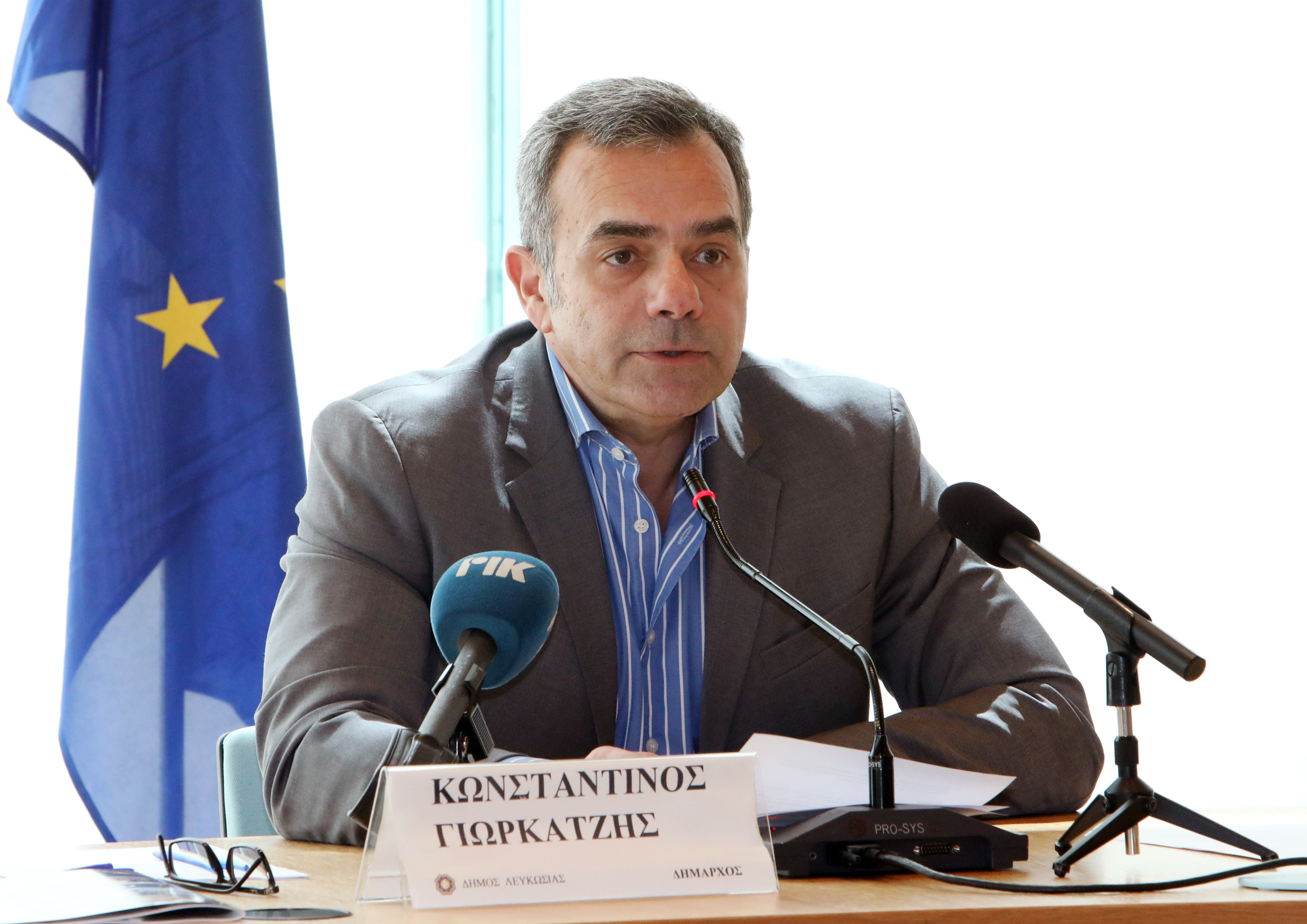
Cyprus requires a single, independent authority to manage the country’s water resources, Nicosia district local government organisation (EOA) chief Constantinos Yiorkadjis told the House agriculture committee on Tuesday, describing responsibility for water as “scattered among ministries.”
Yiorkadjis said a proposal to create such an authority was put forward on behalf of all EOAs, and one of two issues raised with MPs during a session examining the legal framework governing water resource management.
“At the moment the responsibilities for the management of water, the most valuable asset we have in Cyprus, are scattered among ministries,” he said.
The second issue raised concerned how water is delivered from the water development department (WDD) to EOAs.
Yiorkadjis said water is often delivered to points located one or two kilometres from the organisations’ own storage tanks, rather than directly to them, creating additional costs through leaks and maintenance of infrastructure the district bodies do not own.
“The district organisations, as financially independent, are forced to add costs and taxes while the state itself saves,” he said. “We demand that the water be delivered to our own tanks.”
Yiorkadjis has previously argued that a unified authority should oversee the entire water chain, from supply and sanitation to irrigation, resource management, consumer pricing and future infrastructure investment.
He has said the absence of a unified network of rainwater pipes was exposed by recent severe weather, with each municipality historically responsible for maintaining its own network prior to local government reform.
Repair and reinforcement work on the culvert in Digenis Akritas, between Vasilopotamos and Kotsirkas, are due to begin next month at a cost of €2.3 million.
A separate study into stormwater drains between Lakatamia and Strovolos, near the Apoel stadium, is under way, with construction expected to start early next year.
Following the August storms, the Nicosia EOA identified a series of problem areas in Engomi, prompting officials to update existing studies and commission a new, more comprehensive assessment.
Discussions are ongoing between the organisation and municipalities across the Nicosia district to formalise cooperation agreements covering machinery and pumping equipment during emergencies.
A minimum fee of €0.05 per thousand has been introduced for rainwater pipes, generating around €2 million a year for maintenance and repair work.
On water sufficiency, Yiorkadjis has welcomed government plans for three new desalination units, while cautioning that “increasing water production alone is not enough,” and calling for a wider strategy to address the loss of rainwater to the sea and underground each year.




Click here to change your cookie preferences