
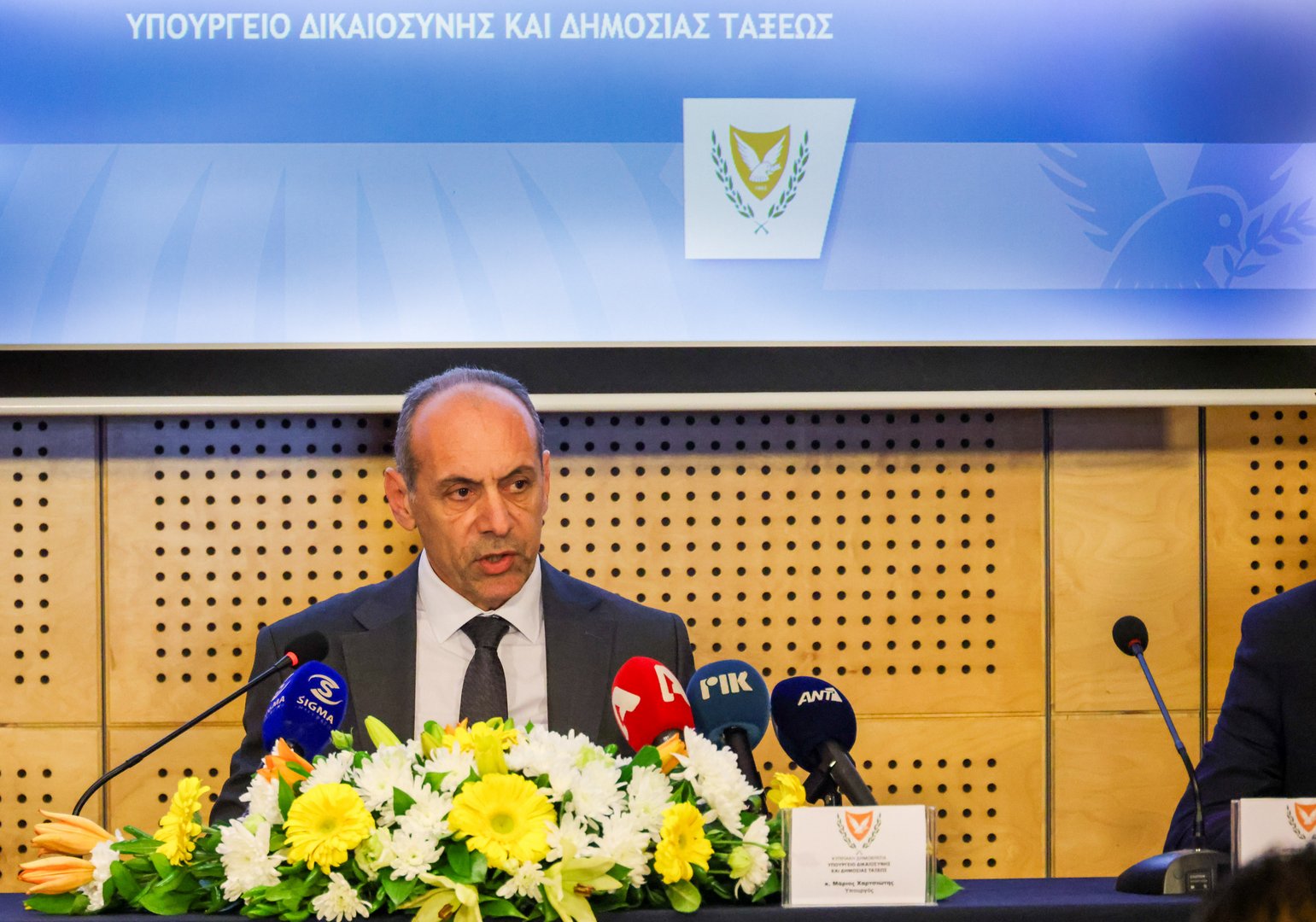
Presidential Commissioner Marios Hartsiotis may soon be stripped of the police escort directly assigned to him just this week, pending an ongoing security review for officials, reports said on Thursday.
On Wednesday it became known that two officers had been assigned to Hartsiotis, a former justice minister.
Daily Politis had published a document to that effect, signed by the deputy police chief.
However, the paper said the decision could well be undone by Justice Minister Costas Fitiris.
The case of Hartsiotis had been looked into by the Audit Office, after receiving a complaint concerning two matters: first, that the commissioner had been irregularly seconded two officers normally assigned to the presidential palace; and second, that he would use a state limo for his non-official (personal) comings and goings.
When the Audit Office sought explanations from the presidential palace, Hartsiotis was forced to comply and use the limo only for official business. But according to Politis, instead of the presidential palace also removing the two police escorts, it effectively formalised the assignment.
The decision apparently doesn’t conform to the instructions issued recently by Fitiris – where from now on a police guard is assigned only based on security/risk considerations.
The newspaper said the placement of the two officers was not Fitiris’ decision, who found out about it from the media.
This very week a review is taking place of police escorts assigned to ministers, deputy ministers and commissioners. Next week the review will extend to ordinary citizens who are guarded.
It means that Hartsiotis could potentially lose the two escorts just days after they were assigned to him.
The wider overhaul began in June, when Fitiris instructed the police security committee to reassess protection arrangements for political and state officials following May’s parliamentary elections.
Under the revised system, the cabinet no longer decides who receives police guards, after the attorney-general’s office opined that responsibility for assessing security risks rests with the police rather than the government.
Risk assessments are now to be carried out every six months, or sooner where circumstances require.
The ministry said a practice had developed since the 1970s under which cabinet approved protection for political figures despite no specific legal provision establishing that procedure.





Click here to change your cookie preferences