
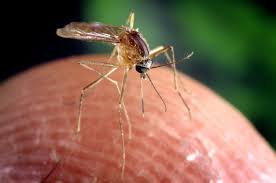
No further cases of West Nile virus have been detected in horses in the Paralimni area after five animals at the same premises tested positive, the veterinary services said on Friday.
Veterinary services officer Dimitris Epaminondas told the Cyprus News Agency that surveillance was continuing in the area, but no additional infected animals had so far been identified.
The five infected horses were among 16 kept at the same premises and are recovering after receiving treatment.
Epaminondas said monitoring horses was important because animals showing symptoms can act as an indicator that the virus is circulating in an area.
He stressed, however, that neither horses nor humans transmit West Nile virus back to mosquitoes. The main transmission cycle involves infected birds and mosquitoes, with horses and humans considered incidental hosts.
For this reason, authorities have not considered restrictions on the movement of horses in the area necessary.
The Paralimni cases mark the first detection of West Nile virus in the area.
The veterinary services have monitored horses for the virus since 2005, carrying out around 100 samples annually.
Birds are also monitored because of their role in the virus’ transmission cycle, with migratory birds potentially introducing the virus before it is spread locally by mosquitoes.
Epaminondas said the significance of detecting West Nile virus in horses was primarily as evidence that the disease was circulating and could potentially infect people.
Following a detection, the veterinary services record the cases, carry out an epidemiological investigation at the affected premises and inform the health ministry so that any necessary public health measures can be taken.
Reducing the risk to people depends largely on mosquito control and personal protection against mosquito bites, he added.





Click here to change your cookie preferences