
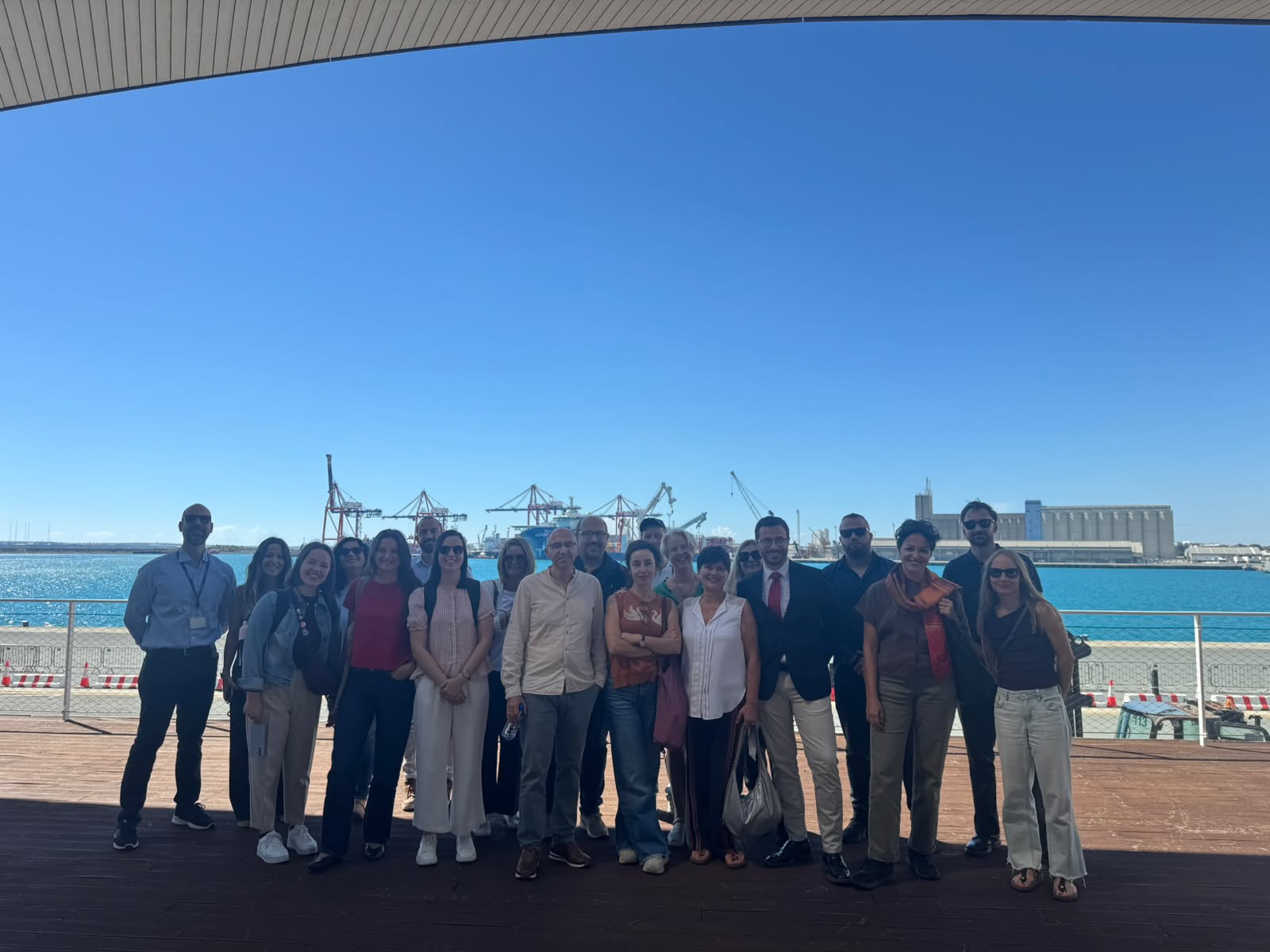
The Cyprus Chamber of Commerce and Industry (Keve) hosted European partners in Cyprus on October 6-7 for a study visit examining the country’s port and maritime sector, with skills, sustainability and the sector’s changing needs at the centre of discussions.
The two-day visit formed part of the PortAbility EU project and brought together European project partners, public authorities, industry representatives, academics and training organisations.
The programme included presentations, site visits and interactive workshops covering sustainability, decarbonisation, digitalisation, innovation and skills development.
It began at the Cyprus Ports Authority in Limassol, where participants were briefed on the development of Limassol Port and its future plans.
The delegation then visited DP World and Eurogate, gaining first-hand insight into port operations and the sustainability initiatives being pursued at the facilities.
A major focus of the programme was the role of skills and vocational education and training (VET) in supporting the transformation of the port and maritime sector.
Discussions examined maritime clusters, innovation, training requirements and social inclusion, while stressing the need for closer cooperation between businesses, education and training providers and public authorities.
Welcoming participants on behalf of Keve, Limassol Chamber of Commerce and Industry president Andreas Tsouloftas said the development of skills needed to remain closely connected to the requirements of businesses and the changing port economy.
“We work to ensure that the skills being developed through vocational education and training respond to the real needs of businesses and the evolving demands of the port and maritime economy,” Tsouloftas said.
The second day included a visit to Limassol Municipality and Limassol Marina, where participants examined port-city integration and the twin transition towards greater digitalisation and environmental sustainability.
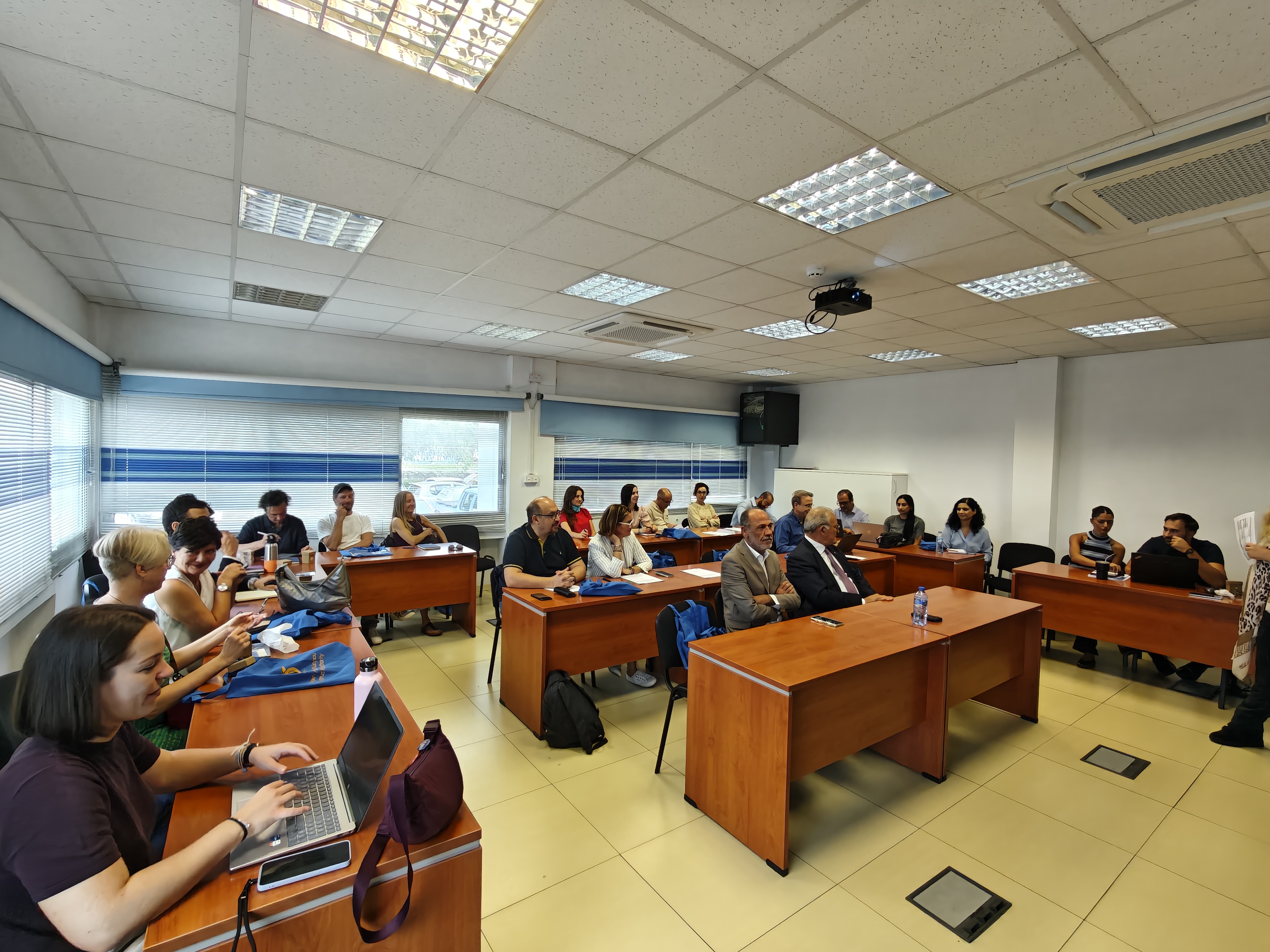
The delegation then travelled to Vasiliko Port and Vasiliko Cement Works, where participants explored port operations, industrial activity and sustainability practices.
The study visit also gave the participating organisations an opportunity to exchange experiences and good practices while developing a broader understanding of Cyprus’ maritime ecosystem.
Keve said the programme highlighted the importance of collaboration in developing sustainable, innovative and future-ready port regions.
“Projects such as PortAbility perfectly reflect Keve’s mission, supporting innovation, fostering skills development, encouraging international cooperation and creating opportunities that benefit businesses, workers and society as a whole,” Tsouloftas added.
The study visit forms part of PortAbility, an Erasmus+ co-funded project involving Keve and 23 partners from across Europe.
The project aims to strengthen cooperation and support the development of future-ready VET systems capable of responding to the changing needs of European port regions.
Through activities such as the Cyprus study visit, the PortAbility partnership is seeking to build stronger connections between ports, businesses, education and training providers and public stakeholders.
The project ultimately aims to support the transition towards more sustainable and resilient maritime economies across Europe.




Click here to change your cookie preferences