
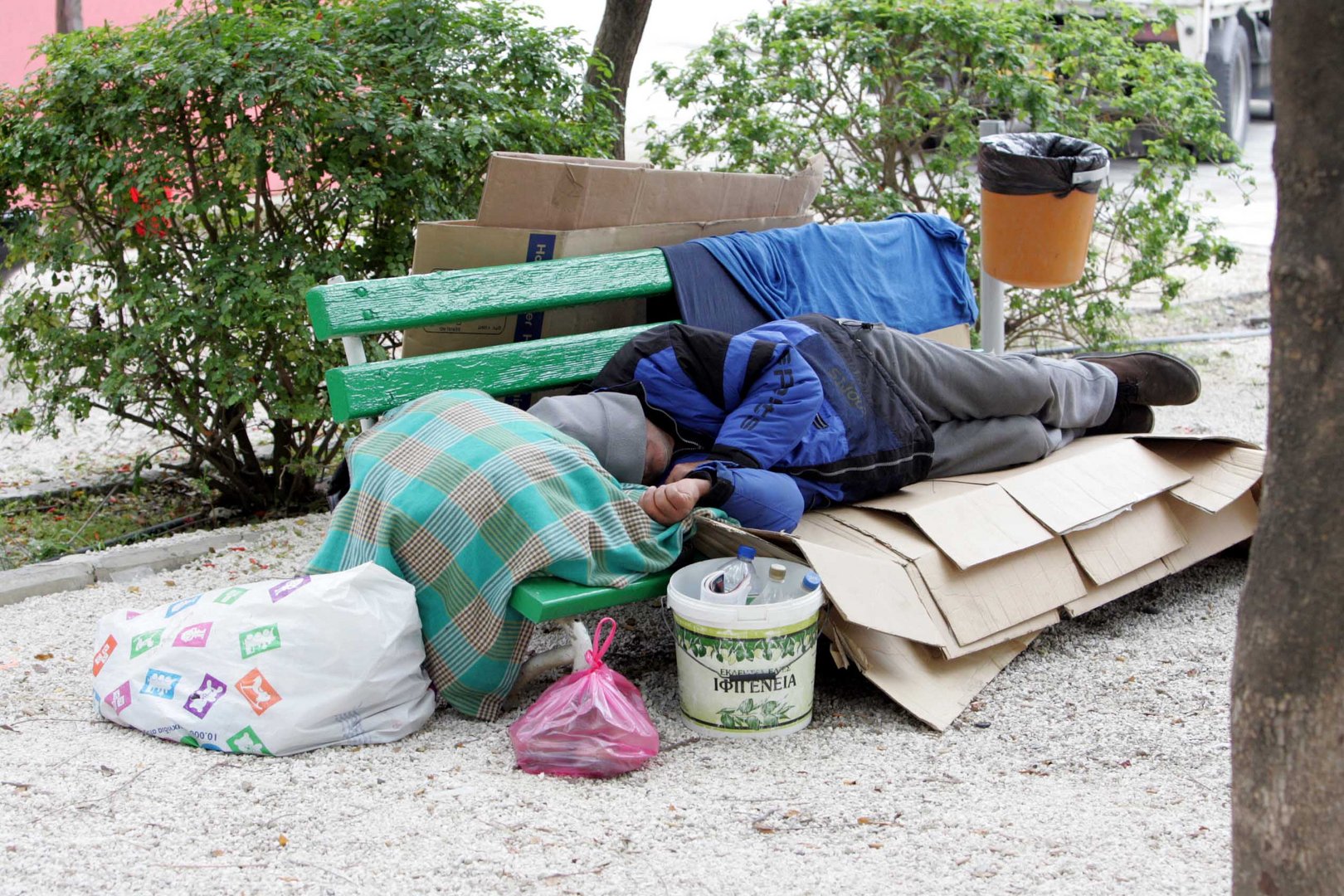
Homelessness has become a facet of life in Cyprus, the deputy social welfare minister said in parliament on Monday during a review of her ministry’s budget for 2027.
Tina Pavlou acknowledged she personally had been unaware of the extent of the problem until recently.
Today, she said, there are approximately 1,000 to 1,200 homeless people across Cyprus, with the majority (around 600) concentrated in Limassol.
“It’s a very big number for Cypriot standards,” she noted.
Regarding the profile of the homeless, the deputy minister said 80 per cent of them have either mental health issues or are drug addicts.
Whereas the government does provide shelter for these people, shelter alone does not address their mental health issues or their drug addiction.
Pavlou said she has proposed to Limassol municipality the creation of a social reintegration facility providing services such as basic skills.
On the government’s overall aims, Pavlou said they intend to bring about a more inclusive social welfare system providing ongoing support for disadvantaged children, the elderly and people with disabilities.
For 2027, the deputy ministry’s balance sheet comes to €666.3 million, of which €611.3 million are allocated to benefits.
“My personal goal, and our strategic priority, is to effect a linkage between mental health and social welfare,” Pavlou told MPs.
“It is my conviction that modern-day social challenges, such as violence, abuse, substance addictions, poverty, homelessness and social exclusion cannot be dealt with in isolation.”
One of the top priorities for the coming year is the reform concerning disability, which according to Pavlou is “unprecedented in scope”.
The reform would combine benefits with services that enhance independent living. Expenditures allocated to this come to €179 million – a net increase of 23 per cent on 2026.
Taking questions from the media later, the deputy minister spoke of shortcomings in dealing with people suffering from mental health issues. The Athalassa psychiatric hospital cannot provide holistic care and, as a result, many patients return to the facility again and again after receiving treatment.
The deputy ministry is in talks with the state health services organisation (Okypy) regarding the creation of additional facilities for these people.
On people receiving disability benefits, Pavlou said that currently there are some 11,000 beneficiaries – of which 3,500 are underage.
The deputy minister was also asked about Guaranteed Minimum Income (GMI), after a recent report by the Audit Office revealing that many were receiving this benefit despite being ineligible for it.
Pavlou asserted that incidents of abuse of the system are “very isolated”.
She added: “The goal of GMI, as well as of any other benefit, is to provide temporary support, so that beneficiaries can reintegrate into a productive life.”
GMI is a social welfare scheme that ensures eligible households have a baseline standard of living. It is open to qualifying Cypriot citizens, EU citizens and certain third-country nationals with long-term or international protection status.
Applicants must generally be at least 28 years old, though exceptions exist for married persons, single parents, orphans, or individuals with disabilities.
The scheme is means-tested at the household level. Bank deposits are typically capped at €5,000.

Click here to change your cookie preferences