
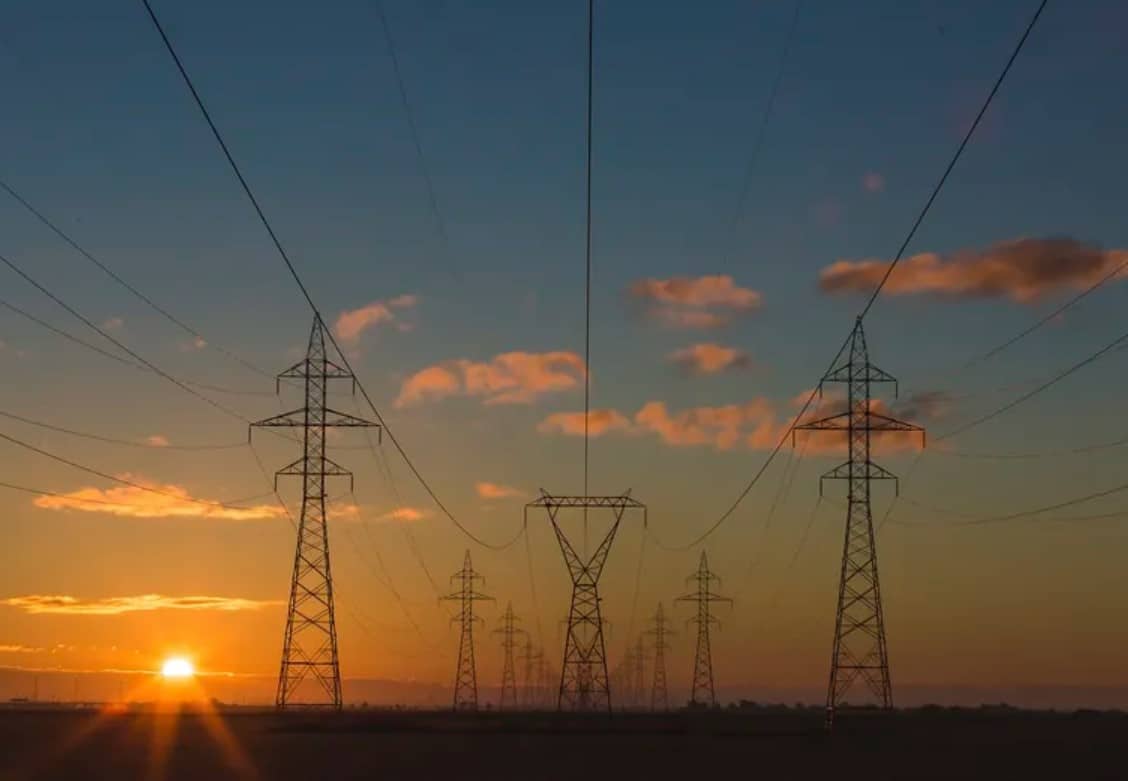
The recent electricity blackout in Spain and Portugal may have been caused by a combination of rare atmospheric vibrations, high renewable energy production, and low system inertia, according to Andreas Poullikkas, an expert in energy systems and former chairman of the Cyprus Energy Regulatory Authority (CERA).
Speaking to the Cyprus News Agency (CNA), Poullikkas noted that his assessment is “made with caution, pending the official investigation report”.
He explained that “until the investigation into the causes of this serious incident is complete, and in order to avoid similar events in the future amid growing renewable electricity production, it is essential to strengthen all electricity interconnections across the EU“.
He also stressed the need for the use of storage systems and the implementation of grid-forming inverters, which provide services such as inertia and frequency support—functions traditionally offered by rotating generators.
Asked to comment on the widespread electricity outage in Spain and Portugal, the former CERA chairman noted that “no one yet knows what has happened”.
He added that “all the data and initial analyses, while awaiting the official conclusion, indicate that the event which disrupted the electricity systems of Europe (Spain and Portugal) may be due to a chain of technical failures in the Iberian peninsula’s grid”.
Citing the information available so far, Poullikkas said that the blackout in Spain and Portugal could potentially be linked to a cyberattack—although this appears to have been ruled out—or to a rare, complex phenomenon related to extreme atmospheric changes, such as induced atmospheric vibrations.
Poullikkas further stated that the most likely cause may be a combination of extreme weather events and high renewable output.
“The assessments by experts converge on the view that the impact of weather conditions on electricity infrastructure—which remains to be clarified—combined with overproduction from renewables, played a role and triggered cascading failures in the electrical system, ultimately leading to its collapse,” he explained.
Poullikkas highlighted the impact of reduced system inertia due to increased penetration of renewables.
He noted that the effect of oscillations from induced atmospheric vibrations is intensified in modern electricity grids where inertia has decreased due to the growing share of renewables that rely on inverters.
“The transition to renewables, particularly wind and photovoltaics, has introduced new challenges in maintaining grid inertia,” he added.
He further mentioned that, unlike conventional generators which rotate at the system frequency and offer inherent inertia, most renewable energy systems are connected via inverters and do not inherently provide inertia.
“As a result, the total system inertia is reduced, making the grid more vulnerable to fast and large frequency fluctuations,” Poullikkas added.
The lack of inertia, according to the former CERA chairman, “means that frequency deviations propagate faster and with greater amplitude, increasing the risk of loss of synchronisation and cascading outages.”
He said this vulnerability is “especially acute during periods of high renewable generation, such as in the Iberian peninsula, and in regions with weak grid interconnections.”
He pointed out the case of Spain’s limited interconnection with France, noting that the Iberian peninsula remains “an energy island, almost isolated from the rest of Europe.”





Click here to change your cookie preferences