
In September 2024, China launched a highly ambitious economic stimulus program that sought to stabilize stock and real estate markets, support consumption, and ease local financial stress while supporting further investment in high-tech sectors. But have the government’s initiatives, as well as subsequent stimulus packages, been successful?
If the Shanghai Composite Index is to be believed, China’s stimulus gamble has been a roaring success, having recovered from a four-year low in September 2024 to end October 2025 46.25% higher.
However, one year on, the results appear to be more mixed, with favored sectors showing gains while weaker demand persisted elsewhere.
What does China’s stimulus look like?
China sought to introduce its stimulus package following drab economic data that showed the nation was on course to miss out on its own 5% growth target in 2024.
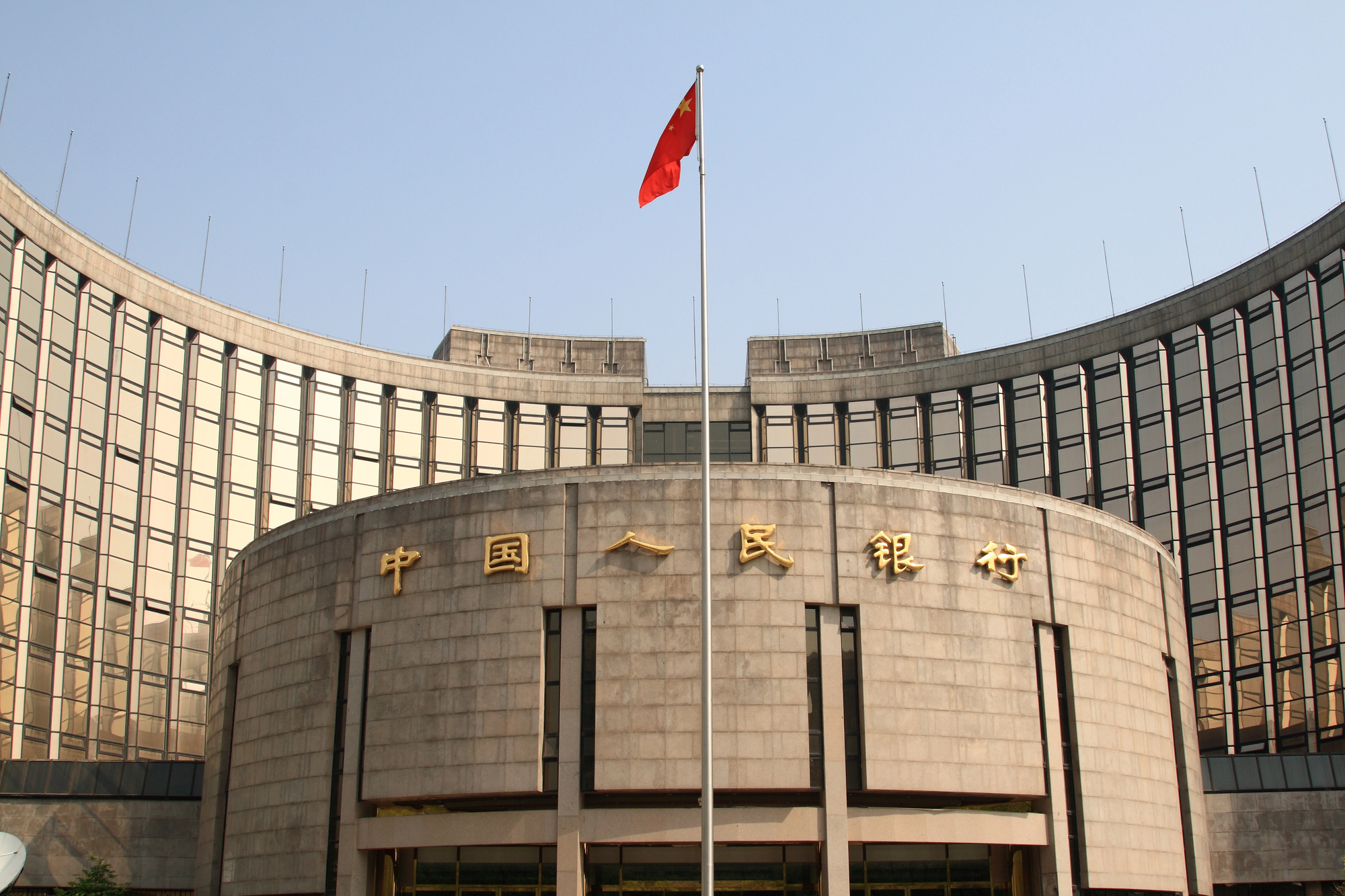
As a result, the People’s Bank of China (PBOC) Governor Pan Gongsheng announced plans to lower borrowing costs and encourage more lending among banks.
Pan said that the PBOC would cut the amount of cash banks must hold in reserve, known as reserve requirement ratios (RRR), by an initial 0.5%, in a move that freed up around 1 trillion yuan ($142 billion).
Interest rates were also cut in a bid to boost China’s property market, which was still reeling from the collapse of Evergrande, by bringing existing mortgages down and lowering minimum down payments on all types of homes to 15%.
“2025 has seen China’s stimulus continue to support the economy by attracting greater levels of foreign capital,” explained Iván Marchena, Senior Economist at global brokerage brand Just2Trade. “In July, seven major government agencies combined to issue the Notice on Implementing Several Measures to Encourage Domestic Reinvestment by Foreign-Invested Enterprises (the Notice). This featured a 10% tax credit for reinvested foreign profits and helped to create a supportive regulatory and financial network to boost investor confidence.
China’s consumption conundrum
Despite China’s gamble to stimulate consumer confidence, data suggest that there’s still a significant issue when it comes to encouraging more residents to spend.
Even in a year that’s been punctuated by a long-standing trade war with the United States, China is still on track to export £1 trillion more than it imports, underlining a severe lack of consumer spending.
While other nations experienced a post-pandemic uptick in consumption, China never saw the same ‘revenge spending’ trends. This may be down to the government opting against stimulus packages that actually put money in the hands of residents during the health crisis, and many households are reportedly poorer today than they were before 2020.
The government is seeking to stimulate spending by introducing a consumer trade-in program in 2024 that allows residents to exchange their old household appliances and cars for discounted newer models. This year, consumers were able to upgrade their smartphones and other electronics at a lower cost.
Despite this, low confidence stemming from uncertainty over income growth, employment prospects, and negative wealth effects from the property market is expected to keep consumer confidence lower.
Given that China has suggested it will target a 4.17% GDP benchmark to meet its growth targets by 2035, it’s likely the Asian powerhouse will rely mostly on cooling trade relations with the United States to achieve its goals, while domestic consumers take longer to recapture their appetite for spending.
Growth to outpace property weaknesses
Another worry for growth is that public perceptions towards property ownership have also declined in the post-pandemic landscape. Because of the property market going bust in recent years, more Chinese households have avoided real estate as a preferred asset class, and it may take a long time to reverse this mindset, even with cheaper mortgage rates.
This suggests that China’s primary means of securing growth will be to facilitate growth in its high-tech sector. With public funding for the nation’s AI industry forming a core component of the government’s stimulus program, the outlook is brightening for China’s tech credentials.
In January, China launched an $8.2 billion National AI Industry Investment Fund in addition to the government’s broader $138 billion National Venture Capital Guidance Fund, with both targeting many different AI-related sectors.
Given that the Global X China Robotics and Artificial Intelligence ETF (2807.HK) has grown more than 20% in 2025 to date, there’s mounting evidence that the government’s bold strategy to back AI for growth is helping to drive investor interest in Shanghai’s tech firms.
Cautious optimism ahead
The Shanghai Composite’s recovery in the year that followed China’s rollout of stimulus is certainly a cause for optimism, but a more sustained rate of growth may need to overcome a series of headwinds surrounding mistrust in the property sector and domestic spending.
While recent weeks have brought an end to trade uncertainty surrounding Chinese exports to the United States, the government will likely be concerned about domestic consumption standing in the way of reaching its growth targets over the years ahead.
The outcome of China’s bold stimulus package one year on remains mixed, with old wounds stemming from the nation’s post-pandemic economic shocks still shaking consumer confidence. Should Shanghai’s recovery spur more consumer confidence, the future will be bright for the Asian powerhouse’s economic health.





Click here to change your cookie preferences