
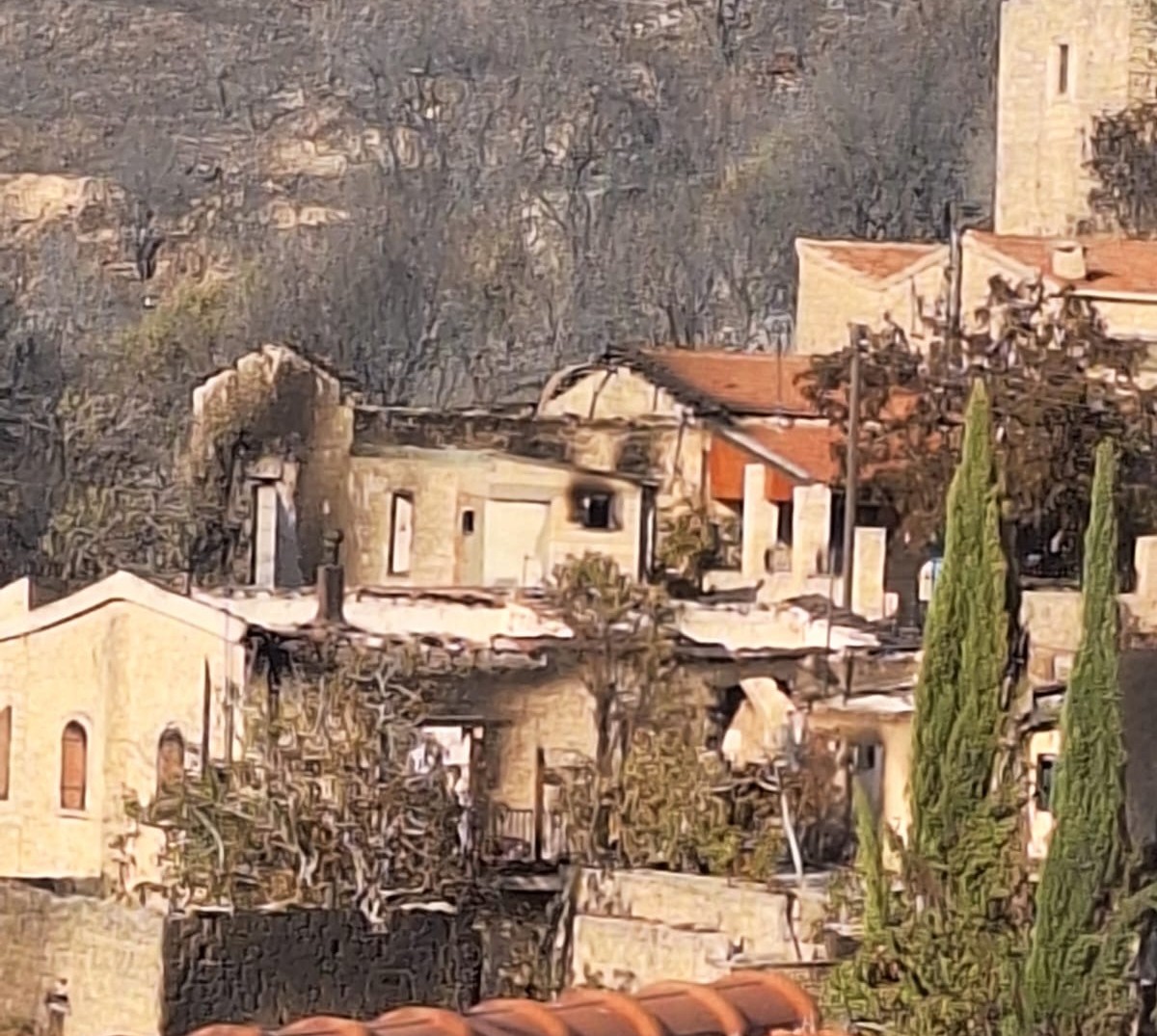
Cyprus’ AKTI Project and Research Centre has launched a fire-restoration initiative in the Laona region of Limassol, supported by Chevron Cyprus, after the July 2025 wildfires.
The area, which relies on agriculture, wineries and agrotourism, suffered extensive damage, destroying ecosystems and placing local livelihoods at risk.
With Chevron’s backing and cooperation from affected communities, AKTI is restoring key environmental infrastructure to support the local economy and strengthen resilience to future fires.
The work focuses on the 1,800-metre Elytzis Nature Trail, linking Lofou and Sylikou, which attracts more than 10,000 visitors annually.
Large sections, including steps, rock structures, vegetation and habitats for endemic species, were severely damaged. The project will also rebuild the Elytzi fountain and restore native vegetation.
To improve fire resistance, AKTI will plant almond trees, grapevines and prickly pear plants, whose succulent pads can withstand flames.
The organisation said this nature-based approach, designed and monitored by its scientific team, will act as a model that could be replicated across Cyprus.
AKTI Chairperson Xenia Loizidou said Cyprus was “on the frontline of climate change” and that wildfires are among its most destructive impacts, she added that “this is the moment for immediate action” and for delivering real solutions rather than relying on declarations and theories.
Loizidou also said that “climate resilience goes hand in hand with conserving nature and applying nature-based solutions”.
Chevron Cyprus Country Manager Basil Allam said the company was proud to support Cyprus’ fire-relief and recovery efforts, adding that its long partnership with AKTI reflects Chevron’s commitment to protecting the environment, empowering people and “doing things the right way”.
He concluded that the project would strengthen communities, restore damaged ecosystems and create lasting benefits “for both people and nature”.




Click here to change your cookie preferences