
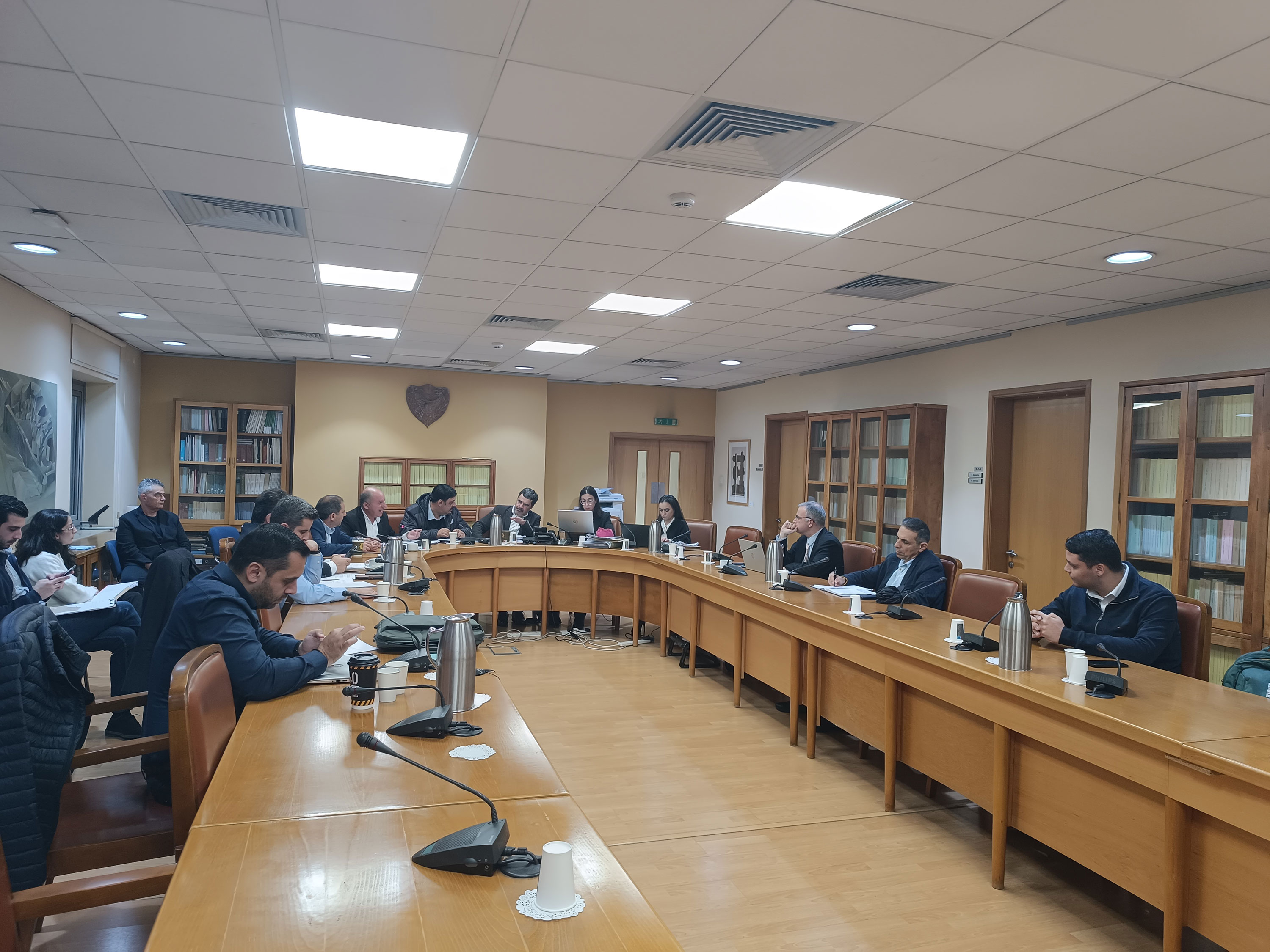
Schools cannot work with “regulations from the 1970s”, Education Minister Athena Michaelidou said on Wednesday after the House education committee discussed the government’s planned reforms to the ways in which teachers are evaluated.
She was present in the committee room for the meeting and said afterwards that it was “constructive”.
“We provided some clarifications, reiterated our positions, emphasised the points on which we must insist to maintain a final draft which is scientifically correct, pedagogically correct, benefits teachers, and, most importantly, is applicable,” she said.
To this end, she expressed optimism that “in a few days”, the bill may be passed into law, and “we may have this great reform due to the responsible attitude of our MPs”.
“Having disagreements is legitimate, especially on such issues, but we should move past them, overcome them for the good of our children and our teachers. We cannot work, create in our schools, strive for good results while working with regulations from the 1970s,” she said.
As such, she said that “modernisation is necessary”, and that while “disagreements are legitimate”, the “democratic process” of creating a new teacher evaluation system requires that the matter be discussed at a plenary session of parliament.
“We are moving forward and we are always by the side of the teachers. From the moment something is voted on in a plenary session, we will begin work on the implementation of this project. Its smooth implementation will certainly support our teachers, because they are the heart of any reform,” she said.
Asked whether she is worried about a potential adverse reaction from teachers in response to her reforms, she said that “the reactions have already been a given from the beginning”.
“What worries me, to tell the truth, is this demand that all demands be satisfied and that the democratic process be obstructed, which I believe our MPs have also understood,” she said.
She added that “disagreements have been limited to a minimum” with the exception of “the issue of headteachers or one or two other issues”, and as such asked, “I wonder where the disagreements and the creation of a climate of tension in education can be based?”.
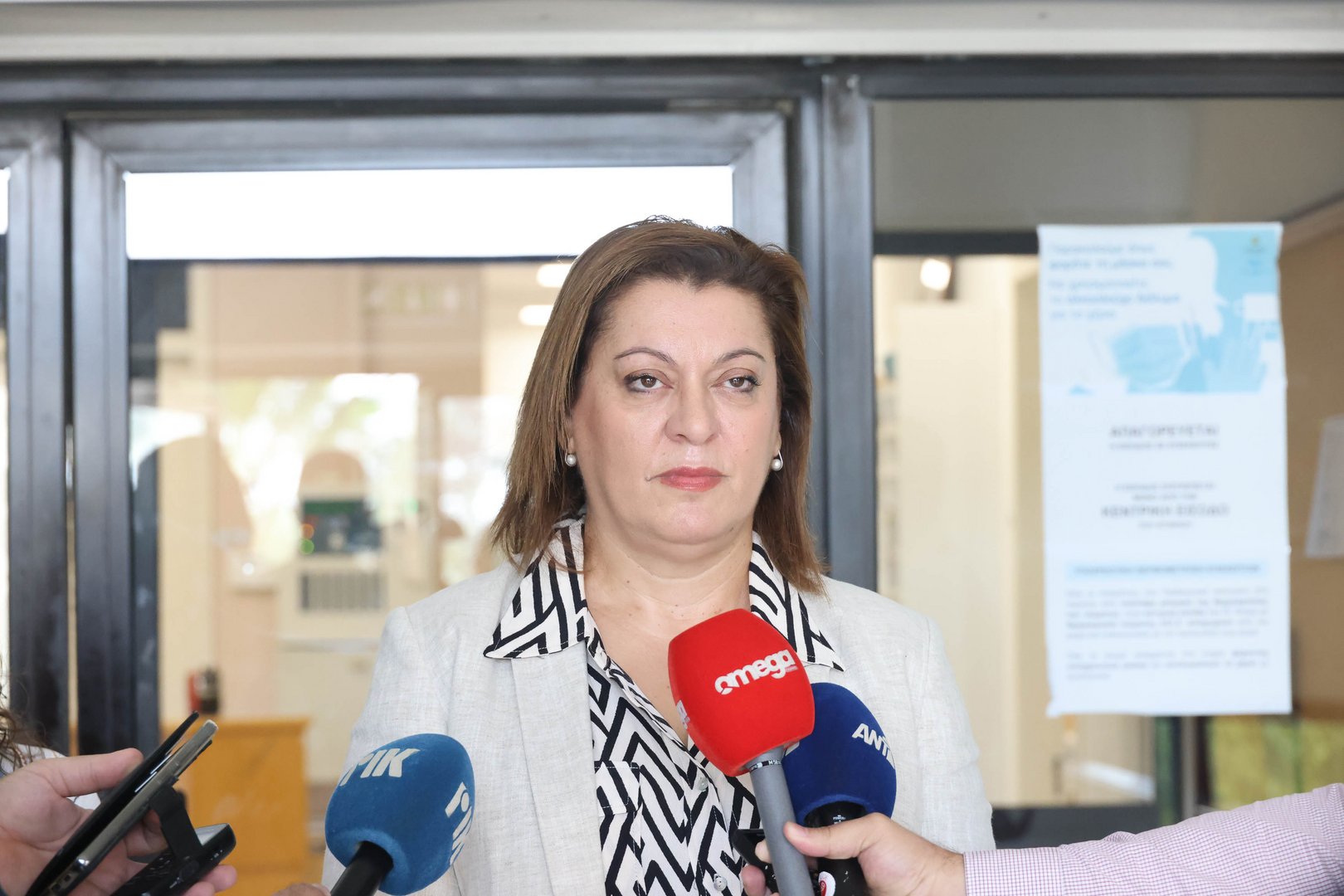
“We are moving forward together. My appeal to teachers’ trade unions is to be with us in the final passage of this bill and mainly in its implementation, in its application for the good of the teachers themselves and of our children,” she said.
She was then asked to comment on Akel MP Christos Christophides’ assertion that the government’s plan is “bureaucratic” and will “cost tens of millions”, and said that “we have had answers to these questions from the very beginning”.
The reform, she said, has a “specific budget”, which has already been approved by the finance ministry and cabinet.
“The entire plan has also gone through a public consultation, let us not forget that. It will be included in our ministry’s budget for 2027, so no one should worry about the budget at this time. To execute a reform, you have to invest. As for the bureaucracy, we respond by saying that we have made it as simple as possible, so that it can work and we can have the change we seek,” she said.
That budget amounts to a total of €12.5 million over a five-year period, though Michaelidou said on Wednesday that “we are now hearing that parliament will bring … closer” the implementation of the new system.
“In other words, instead of implementing it in 2030, it will be implemented from 2028, which satisfies us,” she said.
Earlier in the year, government spokesman Konstantinos Letymbiotis outlined the plan, saying the reform introduces a “multi-layered, scientifically backed evaluation model”, replacing the “decades-old practice of single-person assessments” with collective evaluations involving school heads and inspectors.
The assessments are expected to improve teacher performance and introduce effective mentoring and continuous professional development into the system and are not intended as a punitive measure, Michaelidou had said earlier in the year.
Teachers will now be assessed throughout their careers using clearly defined, measurable criteria and a new rank of “senior teacher” will be created, allowing experienced educators to be promoted without moving into the ranks of the administration, if they are ill-suited for them or do not wish to do so.





Click here to change your cookie preferences