
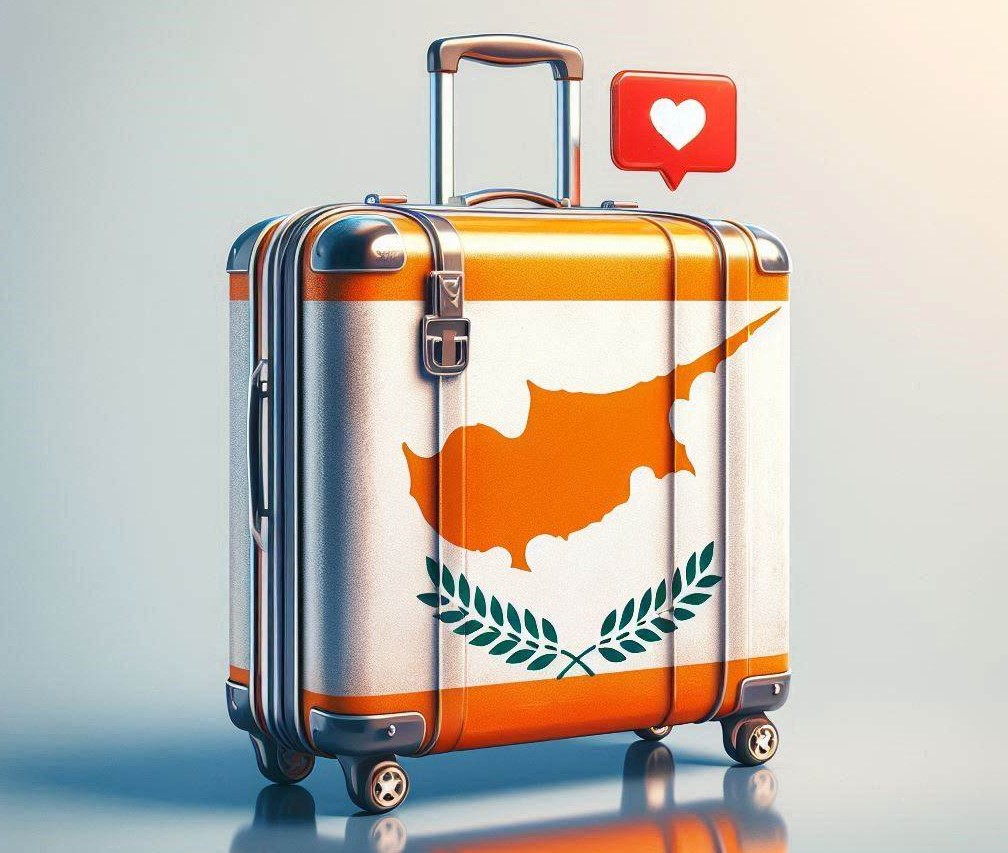
The Council of the European Union this week adopted new rules to strengthen safeguards for package travel users, aiming to enhance consumer protection across the bloc.
The revised directive updates the package travel framework, covering combined services such as flights, accommodation, transfers and excursions purchased as a single product.
The new legislation introduces a clearer definition of package travel, excluding certain linked travel arrangements from its scope in order to simplify the rules.
It also improves transparency and information requirements for travellers, ensuring they receive detailed guidance before, during and after their trips, including payment methods, passport or visa obligations, accessibility provisions and cancellation fees.
In addition, the directive strengthens consumer rights in cases of cancellation or organiser insolvency, addressing longstanding gaps in protection.
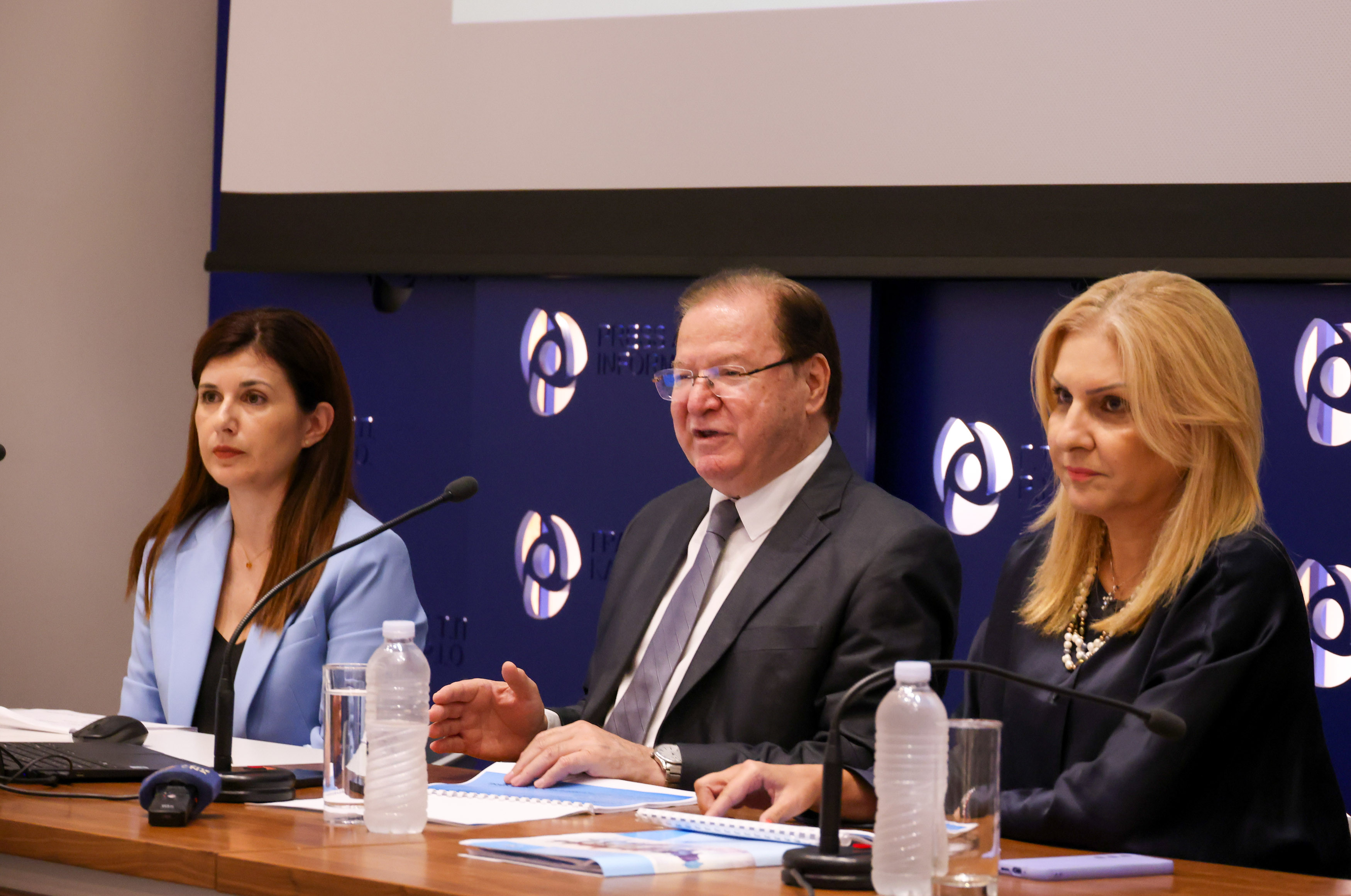
“The success of our travel industry depends on travellers’ trust, and we want to ensure that by protecting the rights of travellers, packages continue to be an attractive option for our people’s trips, as well as a best-selling product for agencies, travel websites and tour operators,” said Cyprus Energy Minister Michael Damianos.
The updated rules clarify that in cases of force majeure cancellations, travellers should not be charged termination fees and must receive refunds within 14 days.
They also regulate the use of travel vouchers, allowing them only if they match or exceed the original trip value, remain valid for 12 months and can be transferred once.
In situations of organiser insolvency, the directive requires that travellers be refunded within six months, with possible extensions under specific conditions.
The legislation further mandates that organisers establish complaint-handling systems and provide clearer information regarding insolvency coverage.
Following its adoption, the directive will enter into force 20 days after publication in the official journal, after which member states will have 28 months to implement the new rules.
The revision follows concerns raised after major disruptions, including the collapse of Thomas Cook and the impact of the Covid-19 crisis, which exposed weaknesses in the existing framework.
These safeguards have particular relevance in Cyprus, where recent events have highlighted the risks faced by consumers.
The Consumer Protection Service last year identified an insolvent travel organiser, following a surge in customer complaints.
The authority warned at the time that the company may be unable to meet its contractual obligations, leaving customers without the services they had paid for.
The case involved hundreds of affected travellers, with data presented to parliament indicating that 228 customers paid approximately €103,000 for travel packages they did not receive.
Concerns were also raised over insufficient guarantee coverage, as the company had declared a turnover of €60,000, resulting in insurance coverage of only 20 per cent of that amount.
This created a shortfall between the declared turnover and the actual consumer losses exceeding €100,000, raising questions about oversight and enforcement.
Consumer advocates warned that such incidents expose systemic gaps in monitoring and protection mechanisms, with calls for stricter enforcement.
Why these safeguards are important
The updated EU directive directly addresses the type of risks seen in the Cyprus case, particularly the failure of organisers to honour obligations and refund consumers.
By enforcing stricter refund timelines, clearer information requirements and stronger insolvency protections, the rules aim to ensure that travellers are not left financially exposed when companies collapse.
This particular case demonstrates how inadequate guarantees and delayed compensation mechanisms can undermine consumer confidence and lead to financial losses.
Under the revised framework, improved oversight and mandatory protections are expected to reduce the likelihood of similar incidents and ensure faster compensation.
Why package travel matters for Cyprus
Package travel plays a critical role in Cyprus’ tourism-driven economy, which accounts for approximately 14 per cent of GDP.
Tour operators such as TUI and Jet2 act as strategic partners by securing guaranteed aviation capacity, ensuring steady visitor flows to the island.
Given Cyprus’ reliance on air travel, these operators provide pre-arranged flight capacity, particularly during off-peak seasons when demand may otherwise decline.
They also support the hotel sector through long-term allotment contracts, offering occupancy security and stable revenue streams.
This allows hotels to maintain operations, invest in upgrades and secure financing based on predictable income.
Package travel further contributes to market diversification, enabling Cyprus to attract visitors from new regions such as Poland, Germany and Scandinavia following declines in traditional markets.
In times of geopolitical uncertainty, package holidays provide greater resilience and consumer confidence, as travellers benefit from legal protections covering refunds and repatriation.
They also support efforts to extend the tourism season, with specialised travel packages encouraging visits beyond the traditional summer months.




Click here to change your cookie preferences