
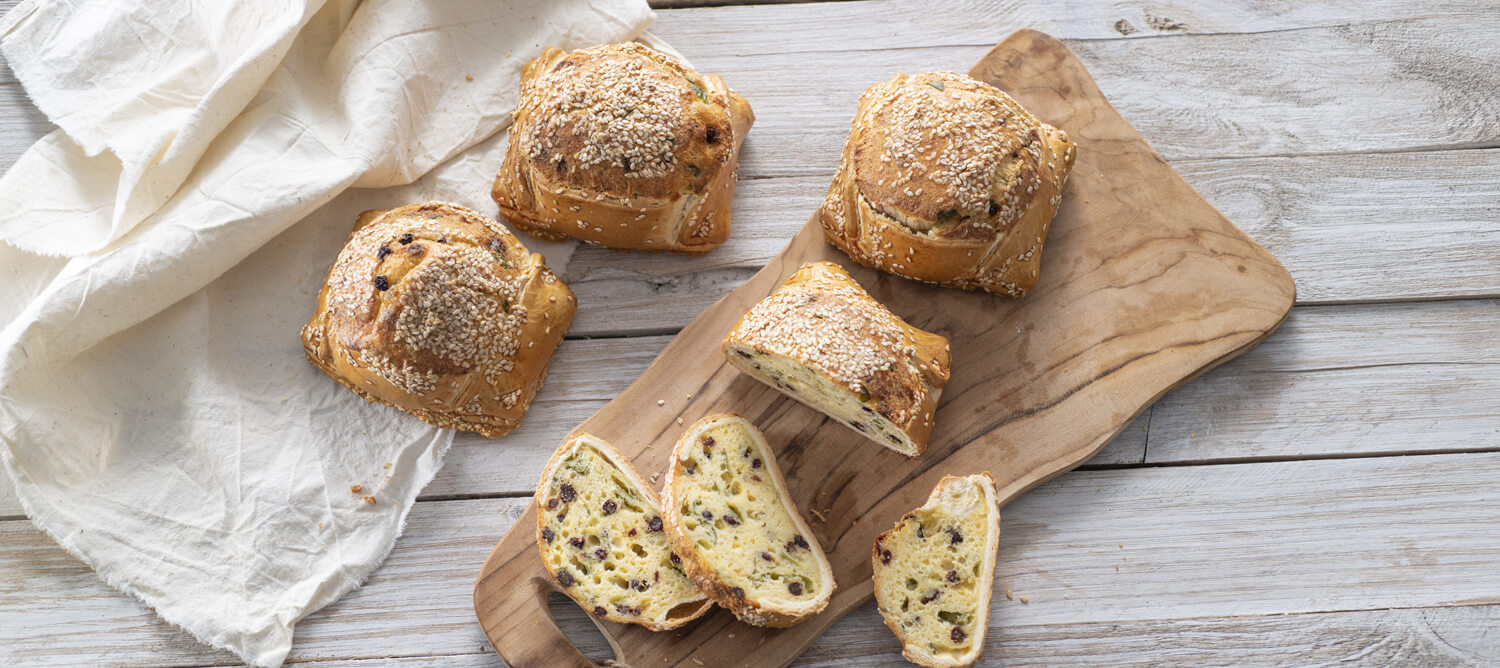
The preparation of flaounas remains a core facet of Good Friday traditions across Cyprus, with families continuing practices passed down the generations, combining religious observance with communal activity.
From early morning Friday, households across villages such as Emba and Kelokedara are filled with activity as women begin kneading dough and preparing fillings made from cheeses, eggs and aromatic spices.
Residents describe flaounas as more than a traditional food, calling them “a symbol of family cohesion and cultural identity”.
Some families continue to bake in traditional stone-built ovens, producing what locals describe as a distinctive taste and texture reminiscent of earlier times when entire neighbourhoods gathered around communal ovens.
Others choose local bakeries for consistency while maintaining the essence of the custom.
Regardless of the method, participants emphasise that the preparation remains “a collective experience, full of collaboration, conversation and memories”.
In Kelokedara, preparations begin well before Good Friday, as according to local community representative Andri Epiphaniou, homes are cleaned and whitewashed, while ovens are prepared in anticipation of Easter baking.
She noted that traditionally “they would knead the dough and the place would smell of mahlepi and mastic”, describing the day as “sad but also full of faith”.
The religious aspect remains central, with communities attending church services and participating in the Epitaph procession.
Celebrations continue through Holy Saturday and Easter Sunday, when families gather for the Resurrection service before sharing meals that include roasted lamb, flaounas and wine.
As Epiphaniou said, relatives and friends “gather together, eat and sing and celebrate the Resurrection with joy and love.”




Click here to change your cookie preferences