
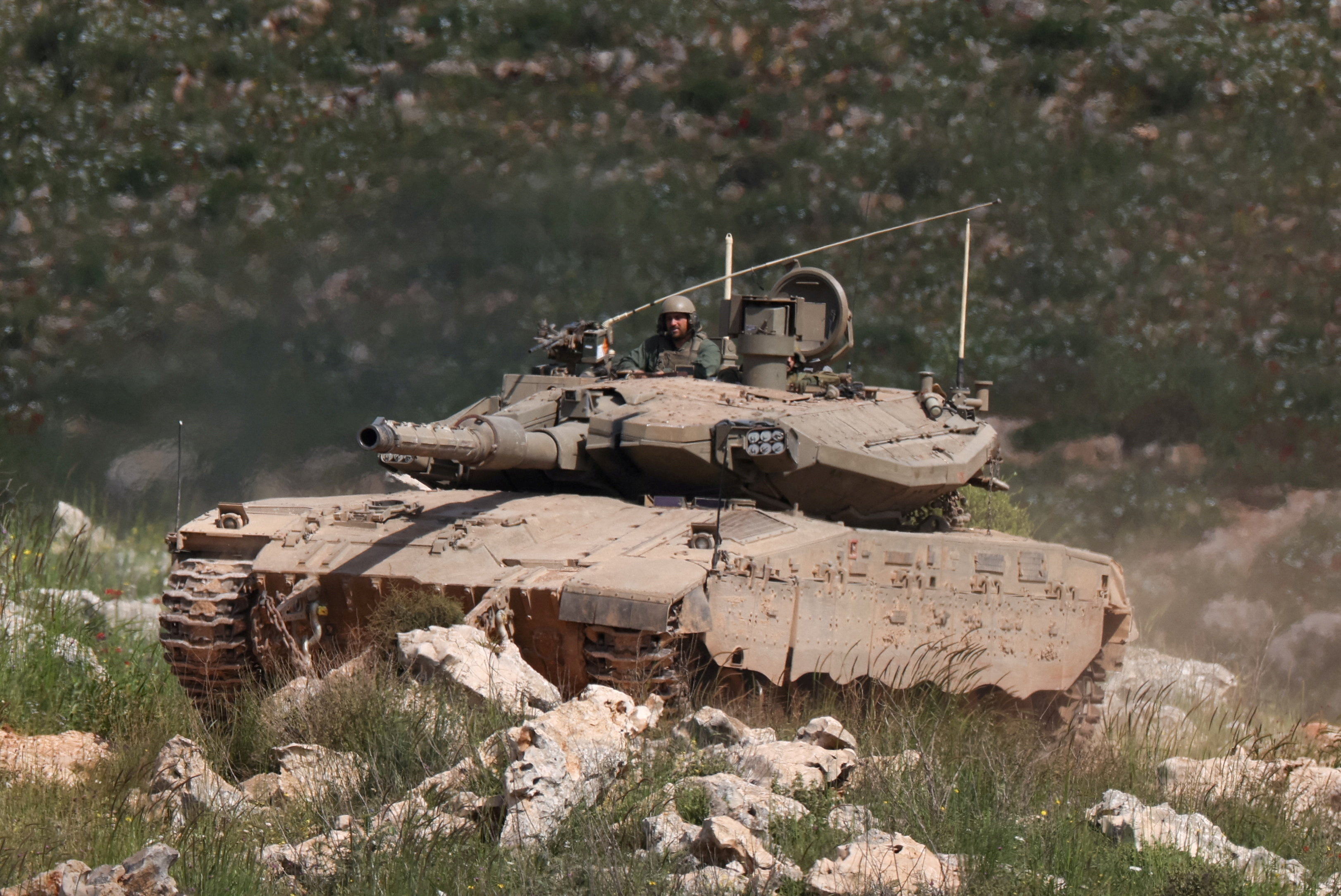
Israeli troops launched an attack on Monday to seize a key town in south Lebanon from Hezbollah fighters holed up there, pressing the war on the Iran-backed group on the eve of rare talks between Israeli and Lebanese government envoys.
With the Lebanese and Israeli ambassadors to the United States set to meet on Tuesday in Washington, Lebanon’s foreign minister said Beirut would use face-to-face negotiations to press for a ceasefire in the war, which has complicated wider diplomacy to halt the conflict in the Middle East.
But the outlook for the meeting — an unusual, face-to-face encounter between countries formally in a state of war — is uncertain. Israel has said it won’t discuss a ceasefire while Hezbollah has objected to negotiations with Israel, reflecting sharply worsening political tensions in Lebanon.
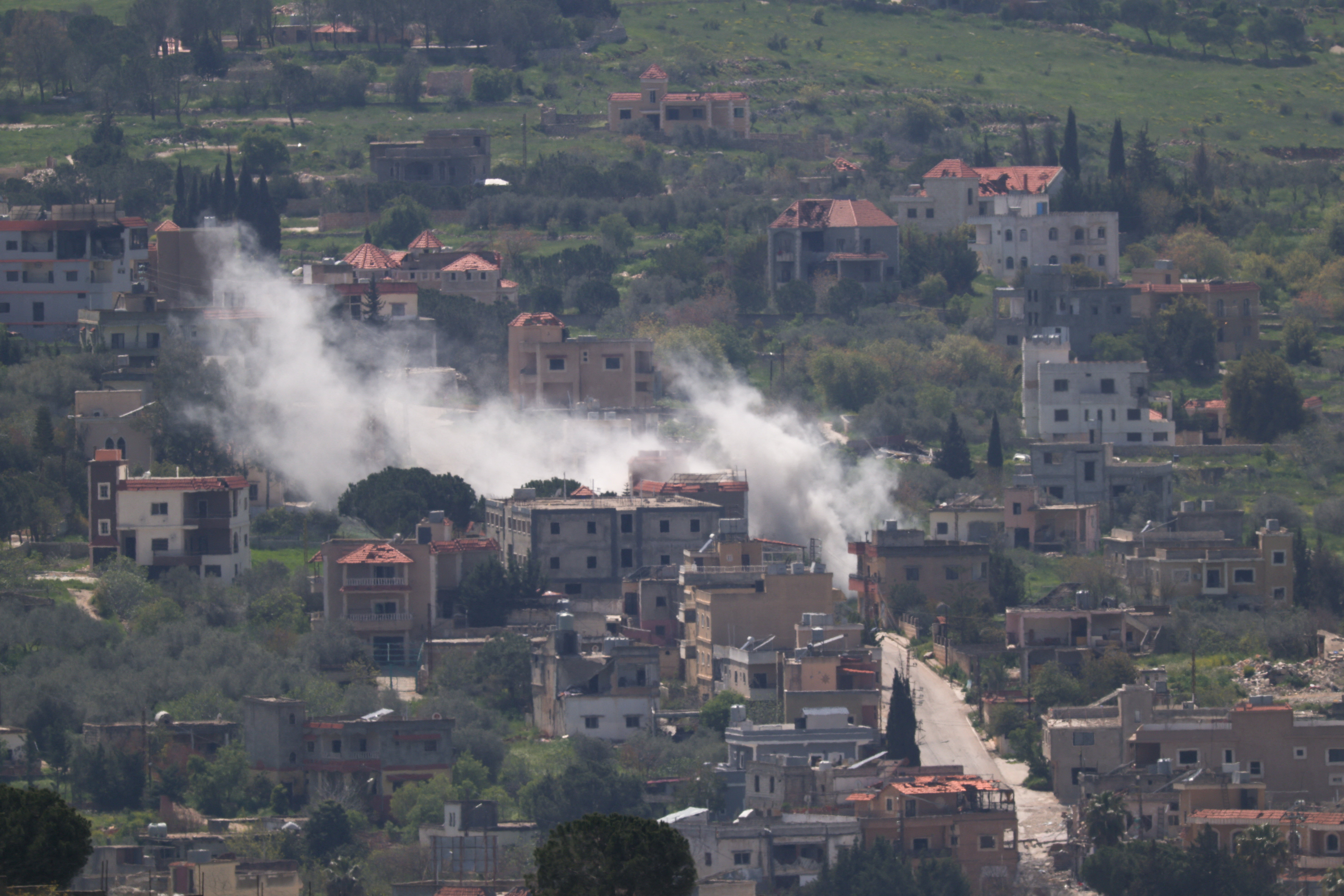
On the ground in south Lebanon, the Israeli military completed its encirclement of the town of Bint Jbeil just over the border and had begun a ground assault there, an Israeli military spokesperson and Lebanese security sources said.
The Lebanese sources said Hezbollah fighters holed up inside were ready to fight to the death, citing the strategic and symbolic significance of Bint Jbeil, a Hezbollah stronghold, provincial capital, and gateway to surrounding villages.
ISRAEL SEEKS TO SECURE BORDER STRIP
An Israeli military official said full operational control of Bint Jbeil would be achieved within days, and that only a small number of militants remained in the area.
On Sunday, Hezbollah said it had attacked Israeli forces in and around Bint Jbeil with rockets, artillery fire and suicide drones. One strike hit a Red Cross centre where a volunteer died from their injuries, the Red Cross said.
Israel’s military later said a Hezbollah rocket struck the northern Israeli city of Nahariyya. The country’s fire service said it hit a three-storey residential building, while the ambulance service said a woman was lightly injured by glass shattered in the blast.
The Israeli military also said that it had intercepted more than 10 drones and rockets launched at Israel from Lebanon since the morning.
A foreign security official based in Lebanon said seizing Bint Jbeil would give Israel better control over the entirety of Lebanon’s southeastern border strip, leaving just the western area of the border zone, which is largely forest and harder to clear.
Hezbollah opened fire on Israel in support of Tehran on March 2, igniting an Israeli offensive that Lebanese authorities say has killed more than 2,000 people and displaced more than 1 million.
Israel says it aims to occupy south Lebanon up to the Litani River, which meets the Mediterranean about 30 km (20 miles) from Israel’s border.
SHI’ITE GROUPS OPPOSE TALKS WHILE PEOPLE ‘BEING KILLED’
Israel and the U.S. have said the campaign against Hezbollah was not part of a fragile Iran-U.S. ceasefire, though Pakistan’s prime minister had said the truce would include Lebanon.
While fighting in Lebanon has not stopped, Israel has launched no airstrikes on Beirut since Wednesday, when it pounded the capital during an onslaught that killed hundreds.
The U.S. ambassador to Lebanon, Michel Issa, will host Tuesday’s Washington meeting between Israeli ambassador Yechiel Leiter and his Lebanese counterpart Nada Hamadeh Moawad.
Lebanese Culture Minister Ghassan Salameh, speaking on Sunday, said seeking a ceasefire was the only substantive issue that Moawad had been authorised to discuss.
Israel’s embassy in Washington last week said the talks would constitute the start of “formal peace negotiations” and that Israel had refused to discuss a ceasefire with Hezbollah.
Lebanese Foreign Minister Youssef Raggi, a member of the staunchly anti-Hezbollah Lebanese Forces party, said Lebanon was trying to reach a ceasefire through direct negotiations that “effectively established the separation between the Lebanese file and the Iranian track”.
A senior Lebanese political source said the talks were taking place without any national consensus because both Hezbollah and its Shi’ite Muslim ally, Parliament Speaker Nabih Berri, opposed negotiations before a ceasefire.
Another source familiar with their position said Lebanon should not sit at the table with Israel while “our people are being killed”.




Click here to change your cookie preferences