
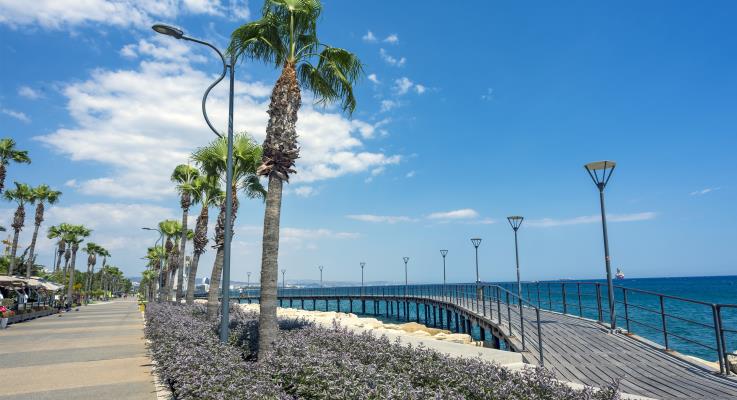
Limassol tourism faces rising cancellations due to regional conflict
Publicity surrounding the war in Iran is starting to weigh on tourism in Limassol, with industry figures saying cancellations are rising, hotel occupancy is under pressure, and concern is growing over how the season will unfold in the months ahead.
Speaking to Entrepreneurial Limassol, a periodical published by the Limassol Chamber of Commerce and Industry (Evel), Evel president Andreas Tsouloftas, Pasyxe general manager Christos Angelides, and Stek general manager Chrysemily Psilogeni all pointed to the same problem, saying the image taking shape abroad has little to do with the reality on the ground in Cyprus.
Tsouloftas said the fallout was already being felt, with cancellations picking up as the impression spread overseas that Cyprus is somehow caught up in the conflict.
In his view, that perception was fed by extensive international coverage of an isolated incident in Akrotiri, along with wider attention given to developments in the region and visits by foreign leaders to Cyprus.
He added that flight cancellations by European airlines, including Lufthansa and Austrian Airlines, had also added to the pressure.
That said, Tsouloftas made clear that Limassol remains a safe destination, stressing that Cyprus is hundreds of kilometres away from the war zone.
There is “no reason for concern for visitors”, he said, as efforts now turn to restoring the country’s real image abroad.
He added that, with that in mind, Evel has moved to push back through social media promotion, while also stepping up contacts with international media and tourism organisations.
Angelides, meanwhile, said the negative publicity had caused real damage to bookings, describing the way the situation had been projected internationally as “unfair or vindictive”.
According to Angelides, the biggest losses were seen in March and April, while May is now also causing concern.
“For April, cancellations reached 42 per cent, while March was at similar levels,” he said, adding that May had not yet reached the same point, “but the trend is worrying.”
He said the focus has therefore shifted from chasing records to containing the damage.
The priority now, according to Angelides, is to limit losses over the rest of the season through a mix of initiatives, including the hosting of foreign agents and journalists, promotional campaigns, and targeted interventions by hotel groups in cooperation with the deputy tourism ministry.
At the same time, Angelides said the losses in the first months of the year have effectively put any new tourism record out of reach.
“What matters now,” he added, “is salvaging the year with the smallest possible losses and, above all, protecting Cyprus’ reputation as a safe destination.”
Psilogeni struck a similar tone but also drew attention to the pressure facing hotel operators, particularly those that remained open through a difficult spring.
Commenting on the labour ministry’s support plan, which keeps the 30 per cent wage subsidy for April, Psilogeni said Stek supports any measure that helps safeguard jobs in tourism, a long-standing priority for the sector.
She added that the association has already suggested improvements to the scheme so that it better reflects the real operating costs of hotel units and makes staff planning more manageable.
According to Psilogeni, March had been particularly loss-making for hotels that stayed open, while April was also moving at low occupancy levels compared with what had originally been expected.
She said concern is now also turning to May, with the market still unsettled and forecasts hard to make with any confidence.
Psilogeni also said that uncertainty is made worse by the fact that existing bookings cannot be taken for granted, since many travellers still have the option of cancelling free of charge or changing destination.
She further warned that the effects of the geopolitical crisis may continue even if there is an immediate de-escalation, which, in her view, only strengthens the case for a coordinated effort to manage Cyprus’ image abroad.
More broadly, Psilogeni said the response cannot rest with the industry alone.
What is needed, she stated, is “a collective effort between the state and the private sector, particularly given that tourism remains a major source of employment and supports a wide range of economic activity.”
Finally, Psilogeni expressed cautious optimism that the sector can recover, provided there is proper planning and timely preparation.




Click here to change your cookie preferences