
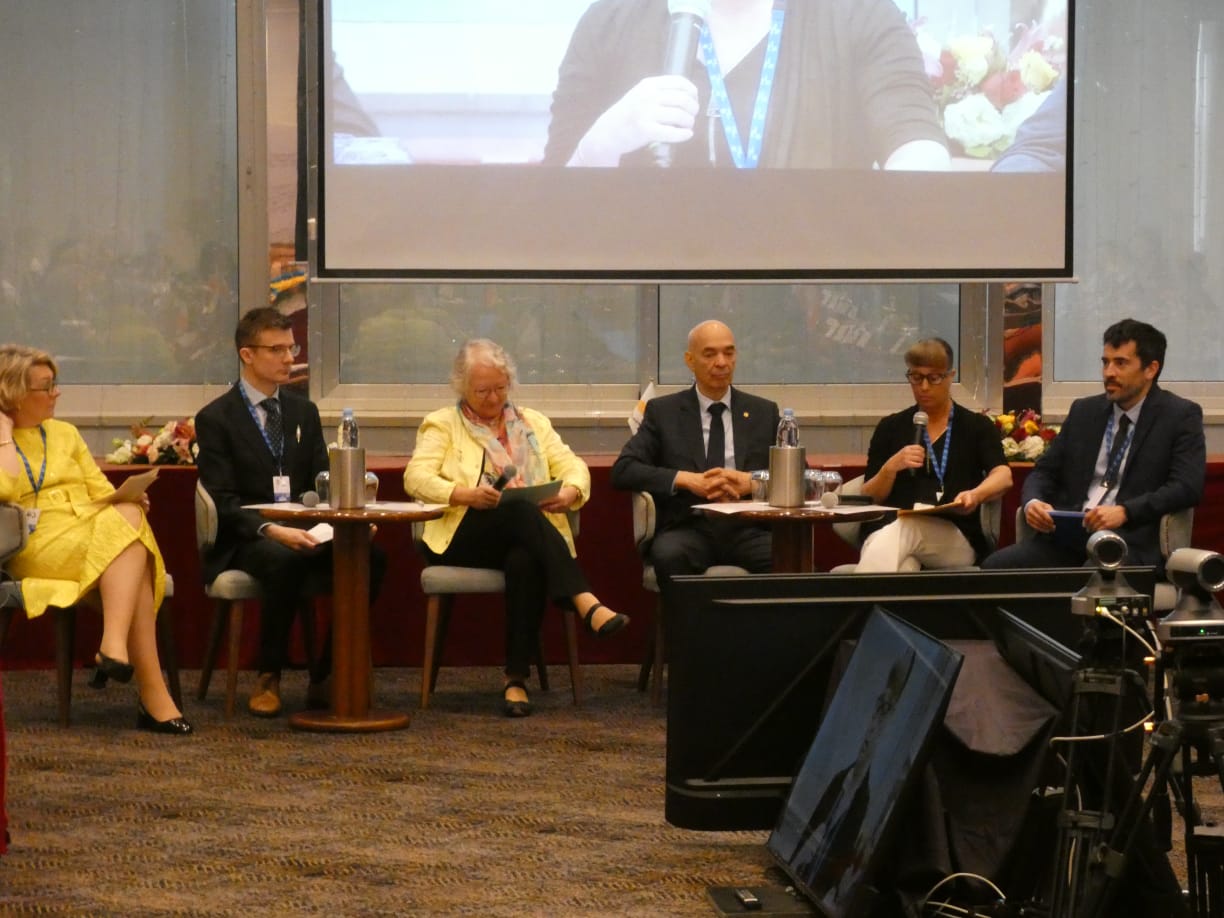
Transport Minister Alexis Vafeades on Friday called on the European Union to provide more funding for transport systems in remote areas of Europe, while addressing the day’s trans-European transport conference in Limassol.
He said that the day’s conference would focus on how “we can ensure that transport systems serve all member states equitably”.
“This should be reflected in European transport planning and funding. For all remote regions, maritime and air connections are more than just routes – they are vital lifelines that keep the economy moving, support our people, and link to the single market,” he said.
As such, he said, he wished to discuss “how better transport links, like ports and airports, can help every part of Europe grow”.
“By improving these connections, we give everyone a fair chance to succeed,” he said, before adding that stakeholders must also discuss “the ongoing challenges that prevent our transport corridors from working efficiently”.
These challenges, he said, include “missing connections”, “simplicity in regulations”, and “improving cross-border links” between EU member states.
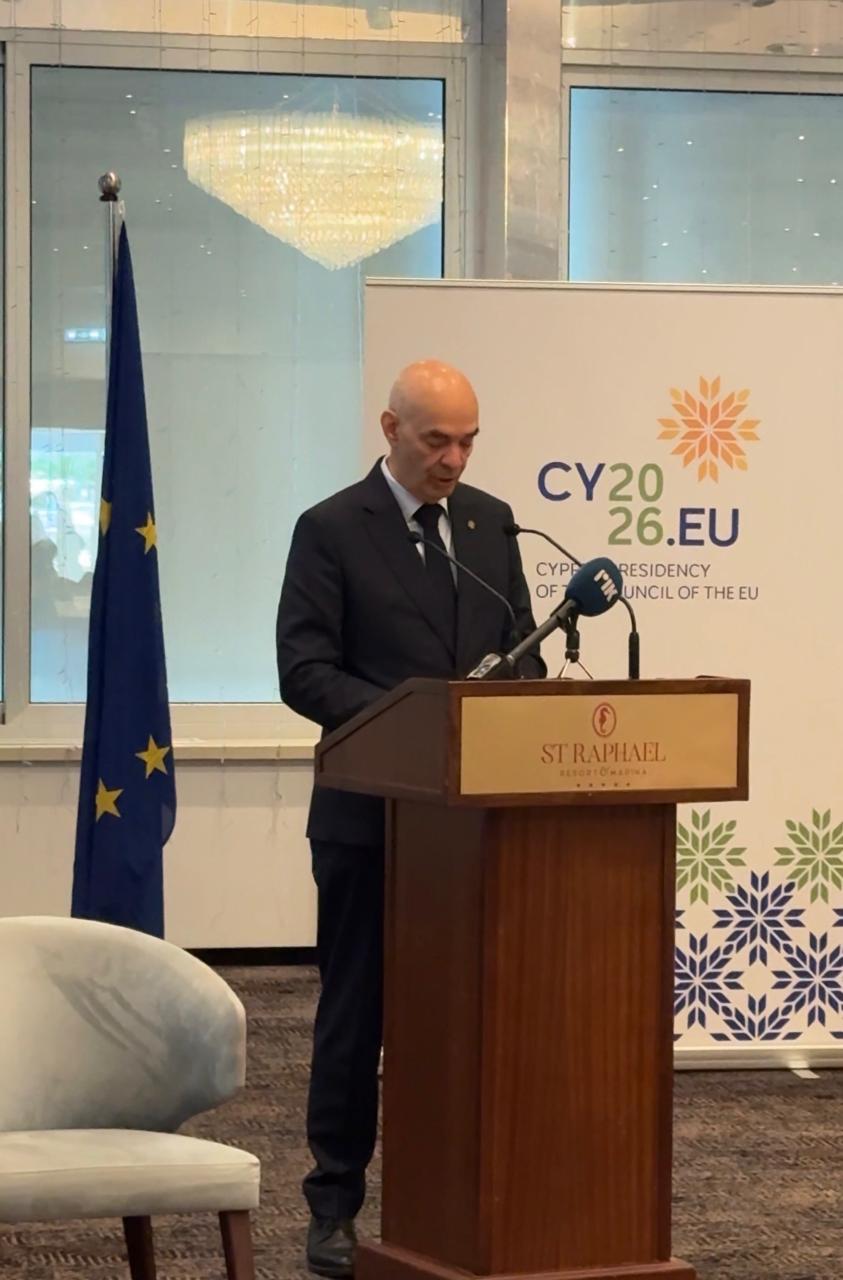
“Reliable connectivity is key to Europe’s future and its citizens’ wellbeing, providing equal access to education, healthcare, and jobs across the continent,” he said.
He also made reference to the EU’s “trans-European transport network”, known as the Ten-T policy, which the European Commission says is “a key instrument for planning and developing a coherent, efficient, multimodal, and high-quality transport infrastructure across the EU”.
“The network comprises railways, inland waterways, short sea shipping routes and roads linking urban nodes, maritime and inland ports, airports and terminals,” it says.
It comprises nine “core corridors” which cross Europe, as well as other corridors in various guises, with Vafeades on Friday saying that those in attendance at the day’s conference “gather here at the southeastern tip of two important corridors”.
Cyprus sits at the end of the Orient/East-Med corridor, which runs from Hamburg to Nicosia, via Budapest and Sofia, and of the newly created Baltic Sea-Black Sea-Aegean Sea corridor, which runs from Helsinki to Nicosia, via the Baltic States and then the eastern Balkans.
Vafeades also said that Friday’s meeting took place “at a crucial time for Europe, when transport is about much more than simply getting from place to place”.
Instead, he said, “it is about cohesion, resilience, security, and strategic autonomy”, before adding that he hopes conversations can lead towards stakeholders “focusing on how we can better connect Europe’s extremities to its core”.





Click here to change your cookie preferences