
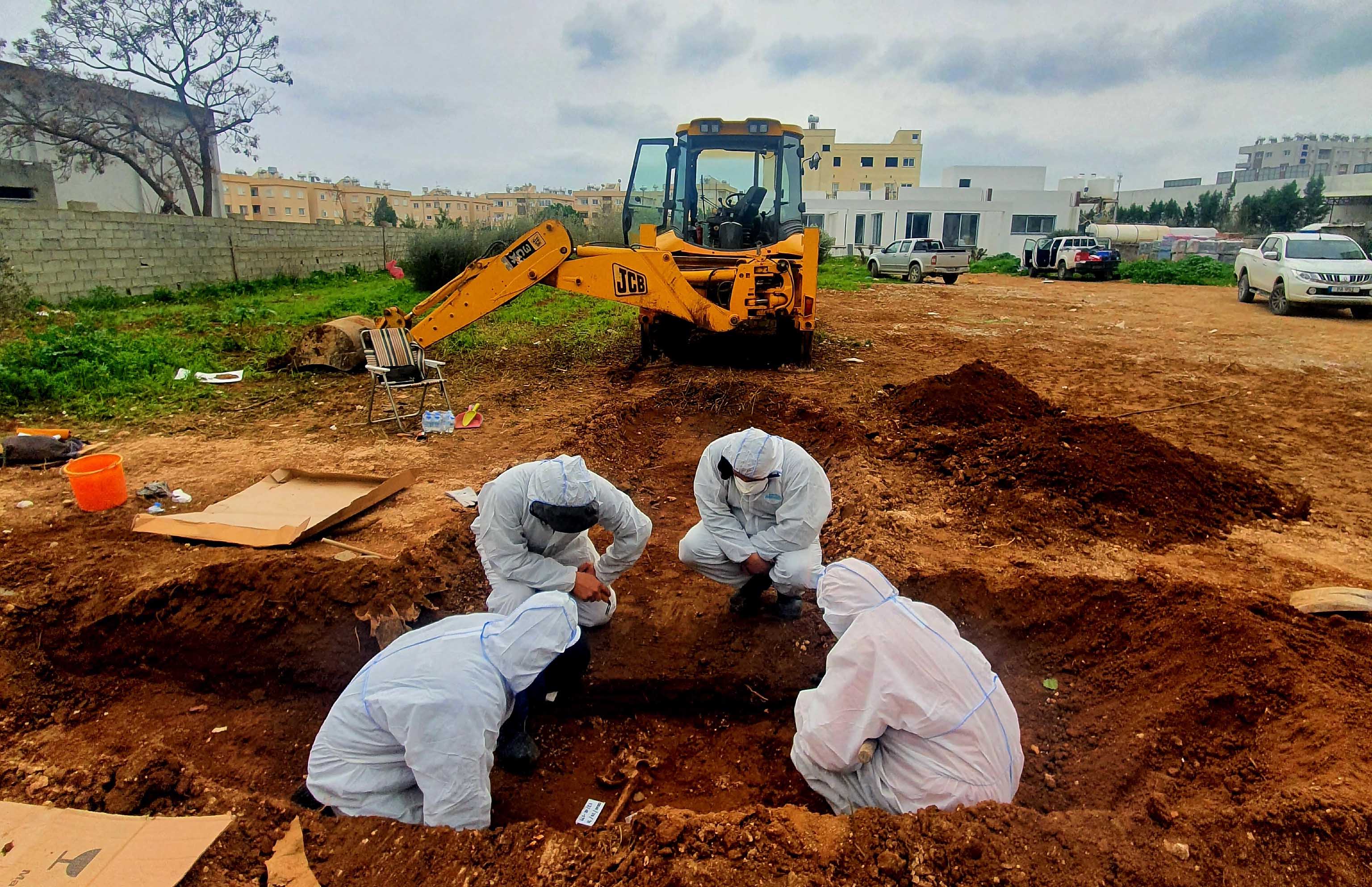
Excavation works are underway in Kato Deryneia, Ayios Memnonas, where the committee of missing persons (CMP) is actively searching for the remains of twelve individuals, including women and children.
Speaking on Monday, Greek Cypriot CMP representative Leonidas Pantelides confirmed that excavations are also taking place in Karavas, near a former landing point for the Turkish navy, where bones were located in a nearby well.
“Bones with military clothing were found and it is believed that these may belong to a number of missing persons,” he said.
Further excavation activity is ongoing in Ampelikou, Lapithos, Syrianochori on Morphou bay, the village of Yalatia in Karpasia as well as in Strovolos.
Pantelides said efforts are continuing despite increasing difficulties.
“The easiest cases we were able to resolve occurred in the earlier years. However, we believe that there is still a window to locate known mass graves,” he said.
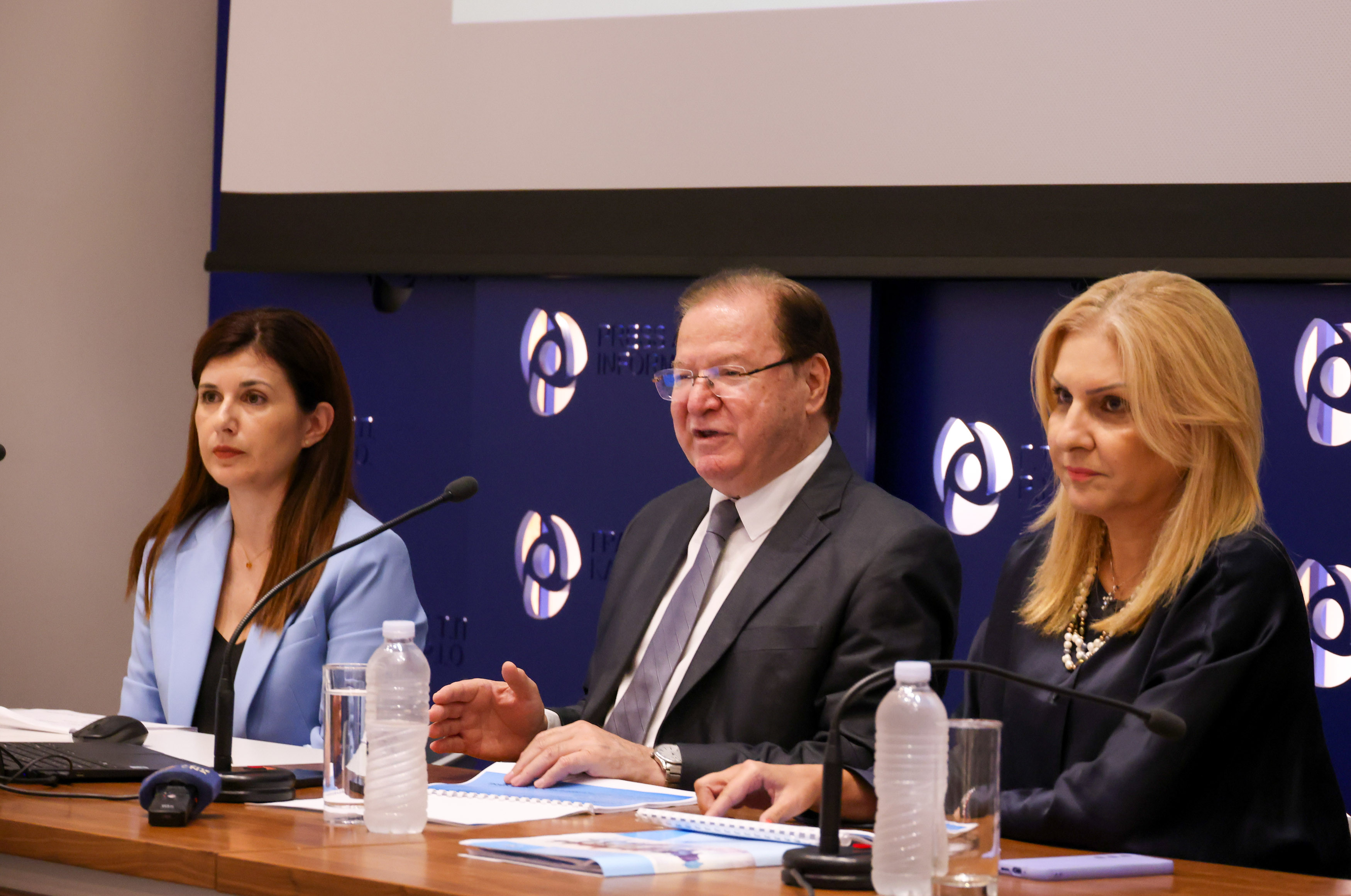
Presidential commissioner Marios Hartsiotis said the government will continue its efforts in coordination with relevant organisations and scientific institutions.
He announced that one million euros has been secured to fund specialised genetic testing using massive parallel sequencing on skeletal remains from the Tomb of Makedonitissa, where previous chemical treatment had made identification difficult.
The programme will be implemented by the Cyprus Institute of Neurology and Genetics and is expected to begin in May.
Referring to official figures, Hartsiotis said that of the 1,619 missing persons, 859 have been identified, while 760 remain unaccounted for.
“There is still a long way to go and absolutely no complacency can be allowed,” he said.
Relatives’ organisations referred to a recent decision by the Council of Europe, which reaffirmed Turkey’s obligation to cooperate with investigations into missing persons.
The resolution calls for continued assistance to the CMP, removal of restrictions on excavation access and payment of €30 million in moral compensation to families.
Representatives described the decision as providing a “powerful weapon” in their efforts.
Pantelides said that 126 excavations were conducted last year, bringing the total number since 2006 to approximately 1,800.
He said around 100 sets of remains are currently being examined at the CMP laboratory, with an estimated 30 to 35 identifications expected this year.
In addition, 217 individuals not previously listed as missing have been identified, clarifying burial locations in those cases.
Access to certain sites remains limited as according to Pantelides, “the approval we are given is for 10 areas per year, however yet again they delayed us this year too,” adding that excavation work in Deryneia began only recently.
Hartsiotis said the government will continue efforts to determine the fate of all missing persons, adding that the objective remains “to pursue every lead, towards the goal of finding even the last missing person.”
The committee on missing persons was established in 1981 but only began systematic excavation work in 2006 after years of political deadlock.
The programme addresses cases dating from intercommunal violence in the 1960s and the Turkish invasion of 1974.


Click here to change your cookie preferences