
President outlines plan to make Cyprus active investment hub
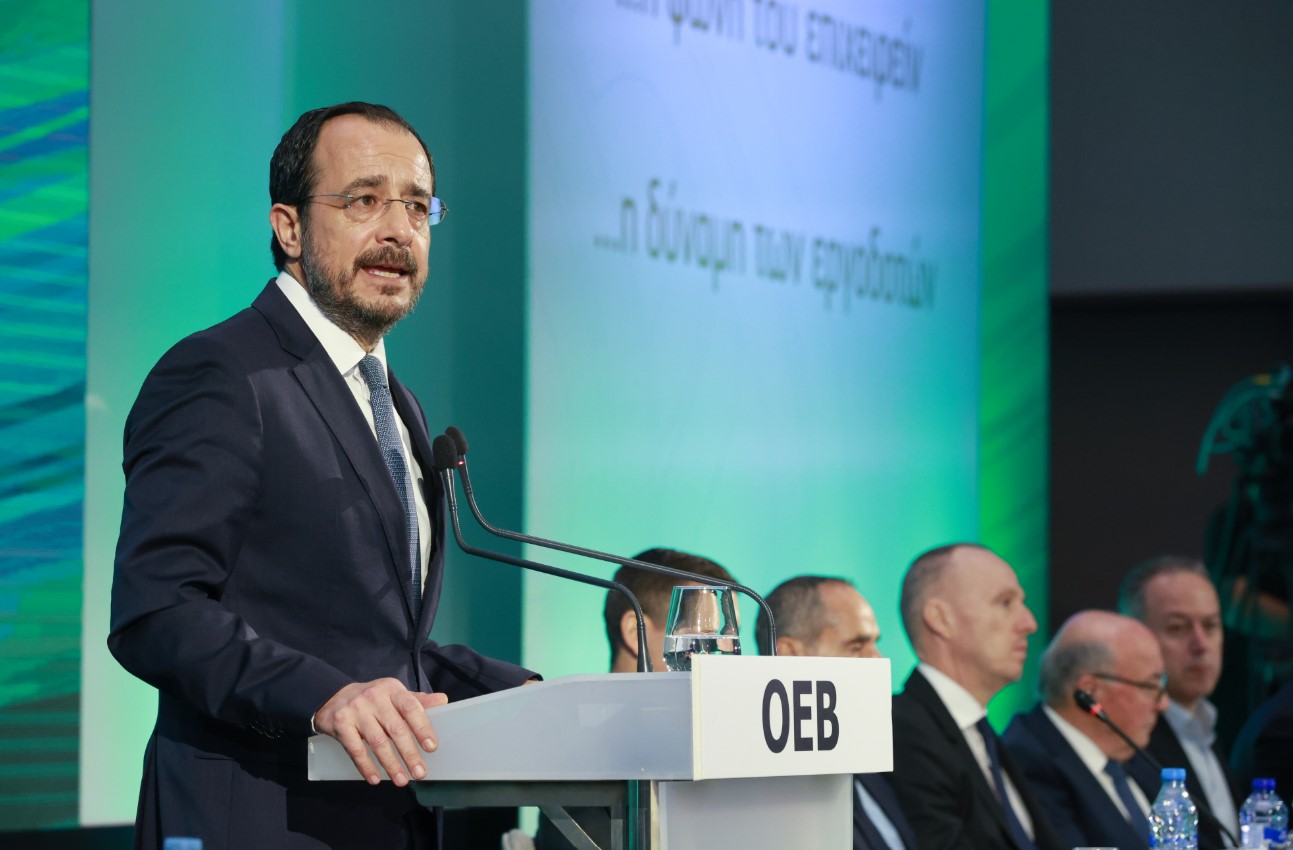
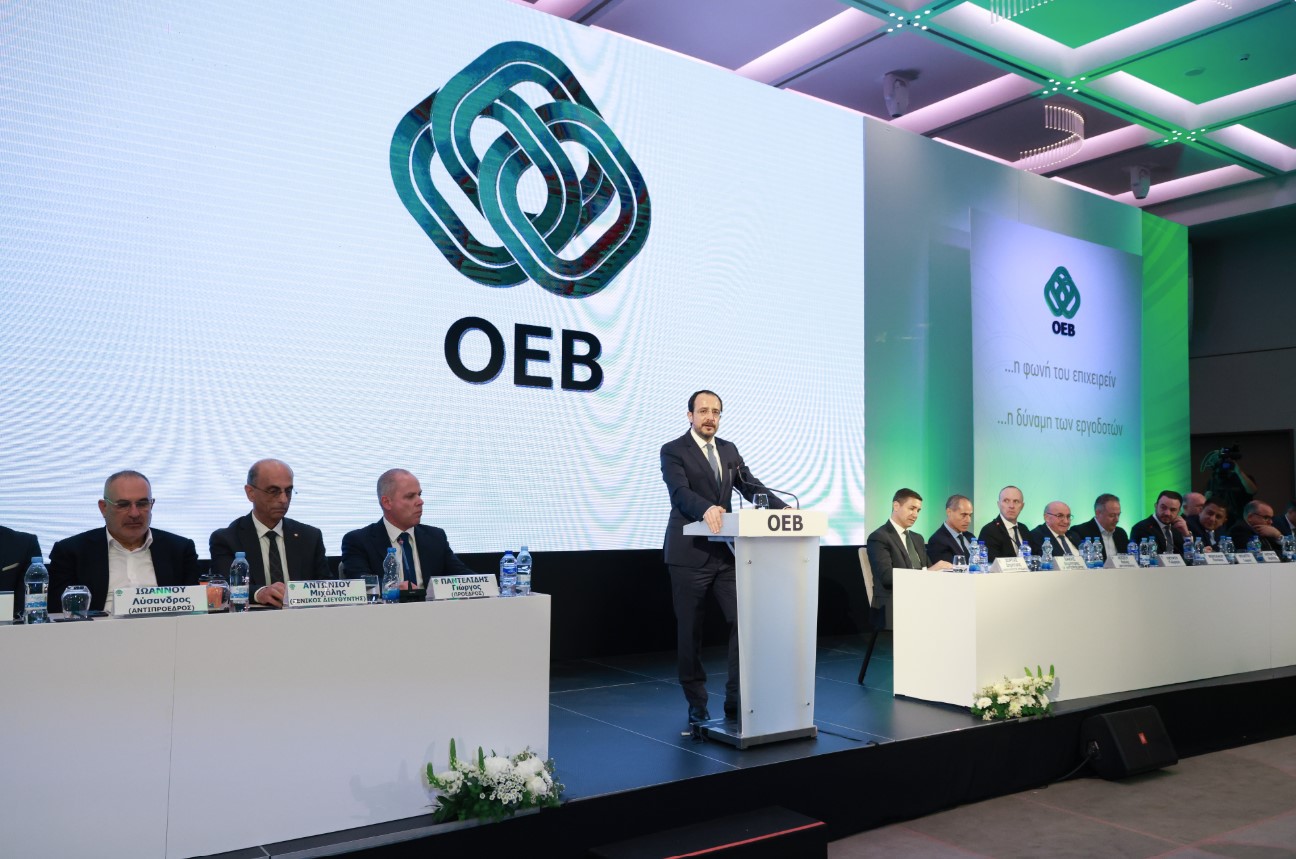
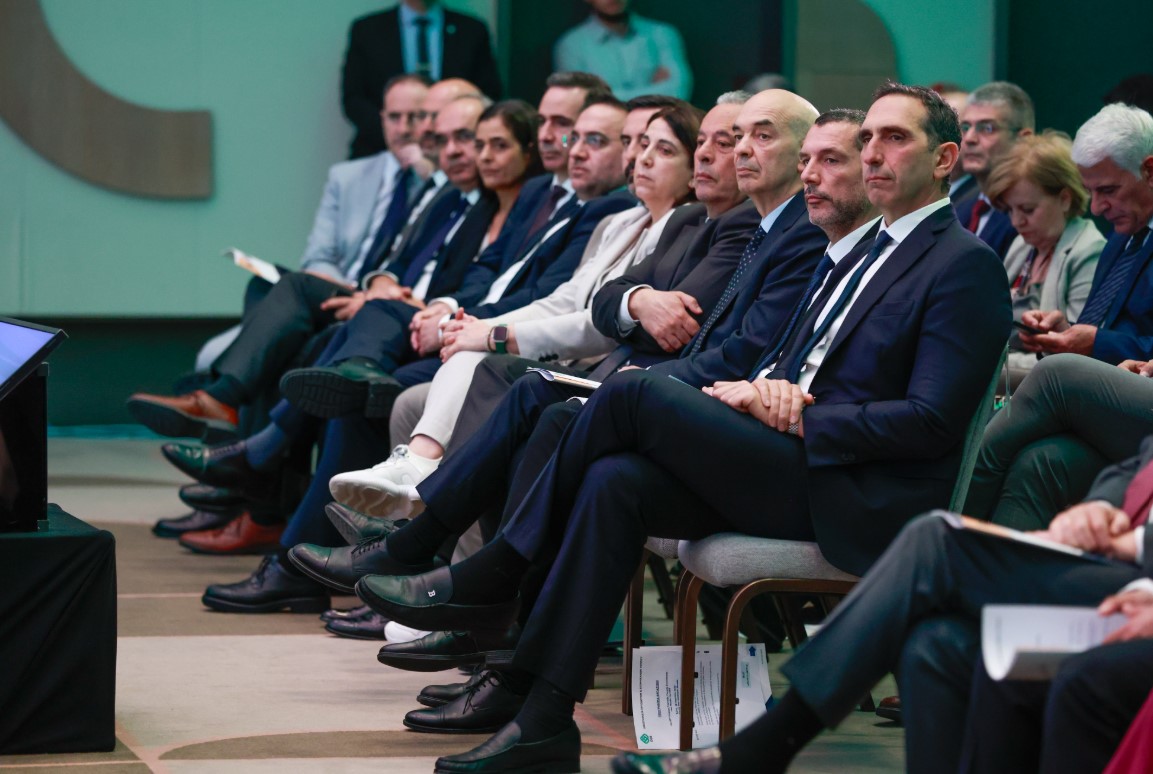
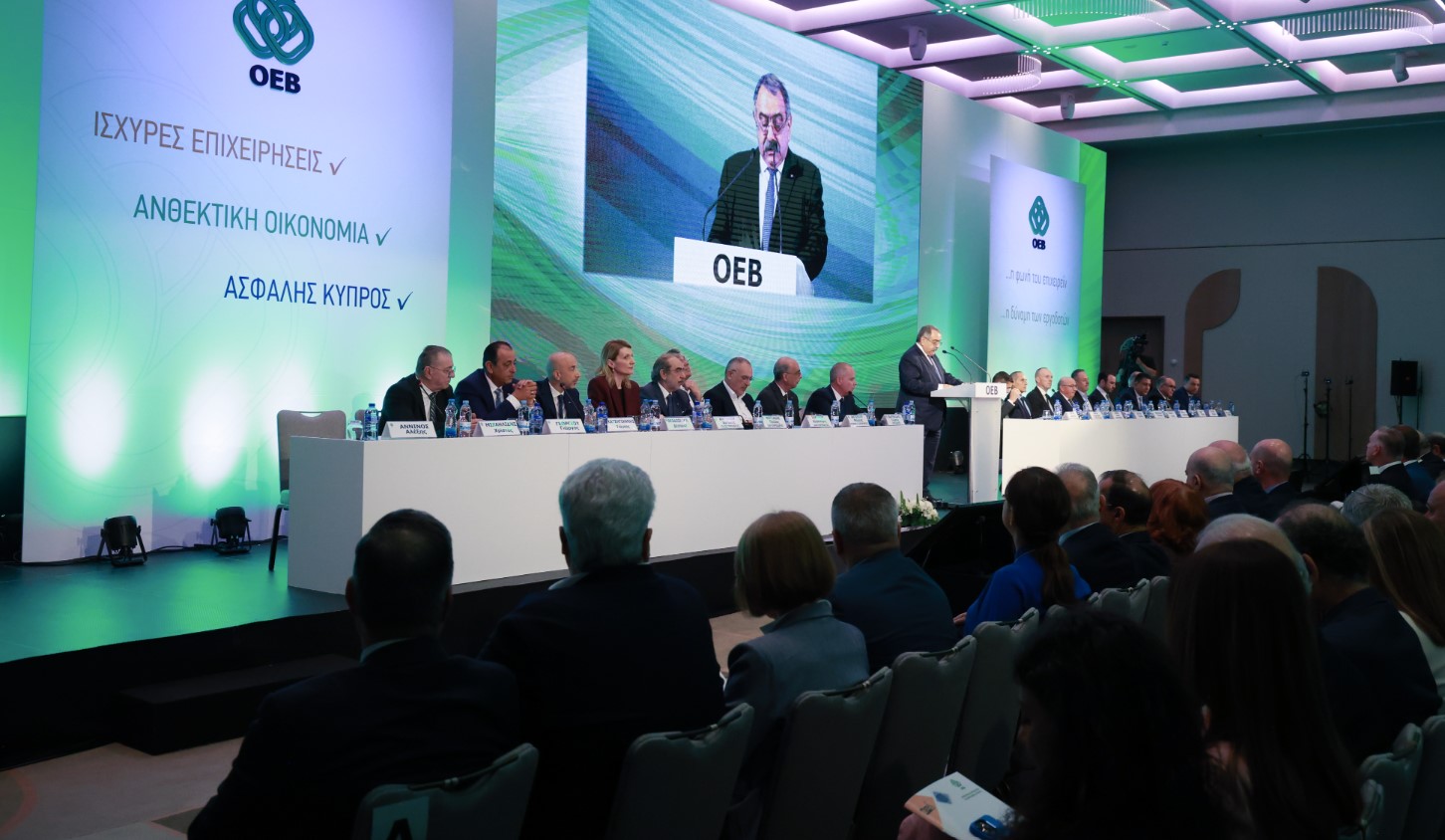
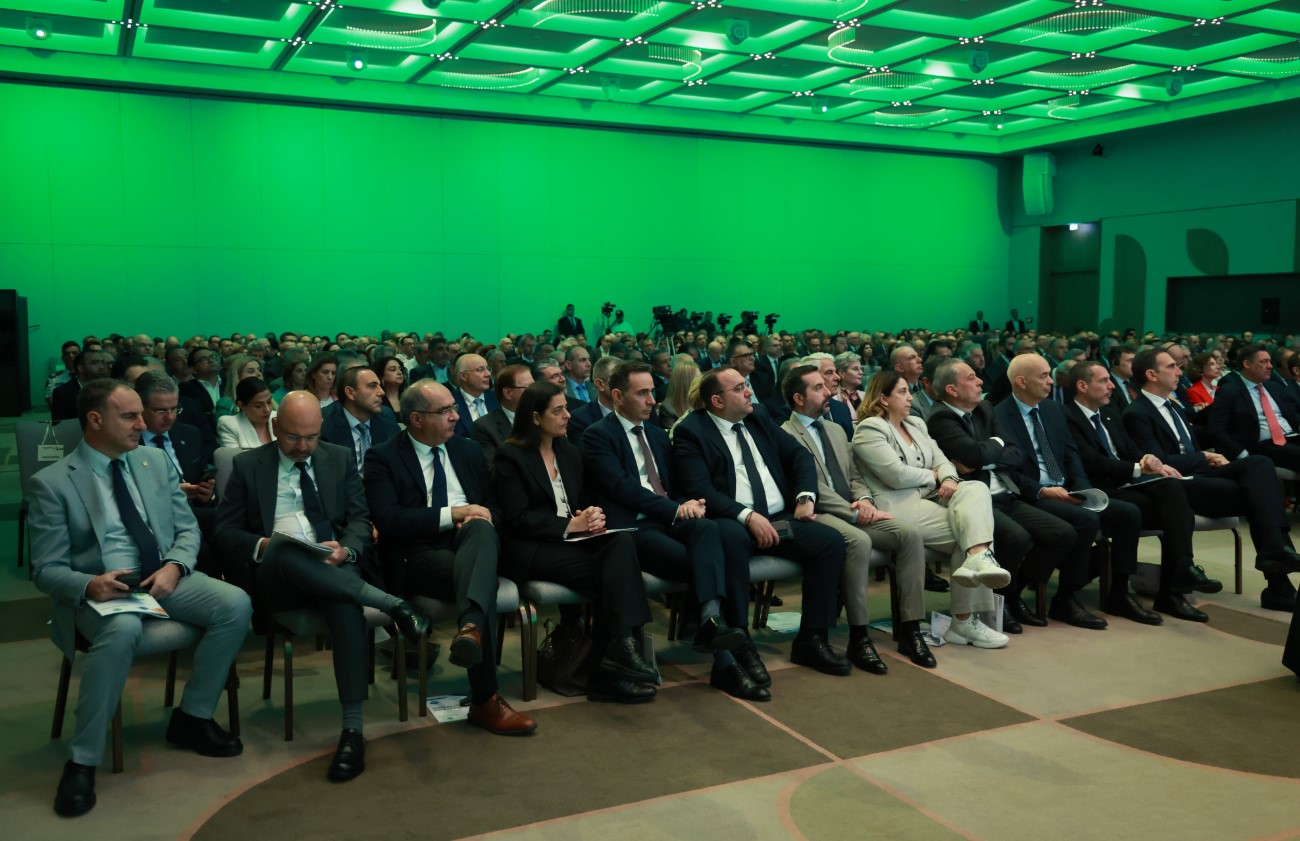
President Nikos Christodoulides on Tuesday outlined a strategy to transform Cyprus into an active investment hub, highlighting targeted international outreach and the need for more reforms, during his address at the annual general meeting of the Cyprus Employers and Industrialists Federation (Oev).
He stressed that the initiative comes at a time of “increased geopolitical instability and uncertainty with multiple and multi-layered impacts”, underlining the importance of proactive economic policy.
The president announced a specific outward-looking programme, detailing upcoming business missions aimed at attracting quality investment.
“In three weeks we will visit India with a business delegation, in early June Kazakhstan, while preparations are at a final stage for contacts in the United States, in Florida, Ohio and New York,” Christodoulides said.
“I call on business leaders to participate in these missions aimed at attracting quality investments,” he added.
Moreover, he emphasised the strategic dimension of these actions, linking foreign and domestic policy.
“We cannot separate foreign policy from domestic policy,” the president said.
“Cyprus can, with actions and not words, act as a bridge between the European Union and the Middle East, India and the Gulf,” he added.
Referring to the recent informal European Council, he underlined the importance of collective solutions.
“The solutions to the challenges we face are not only national but also European,” he said.
Christodoulides placed particular emphasis on the upcoming Multiannual Financial Framework 2028 to 2034, stressing that it must serve the goal of a strategically autonomous European Union.
“A strategic autonomy cannot be achieved without strengthening the competitiveness of the EU in all sectors,” he said.
He pointed out that there is broad agreement at European level on advancing competitiveness through investment.
“We are moving forward with strengthening the competitiveness of the European economy through investments in innovation, technology and infrastructure,” he stated.
The president also called for faster reforms, sending a clear message on urgency.
“There is no doubt and no excuse any more for the need to move faster with bold reforms,” he said.
He highlighted priorities including faster decision-making, the use of innovation and the creation of a truly single market.
Christodoulides referred to the roadmap “One Europe, One Market”, which he signed on behalf of the 27 member states, noting that it includes 42 actions aimed at deepening the single market by 2027.
For Cypriot businesses, he said this would mean improved access, fewer investment barriers and greater growth opportunities.
The president also stressed the importance of European outward orientation through trade agreements with countries such as India, Australia and the United Arab Emirates.
Turning to energy, Christodoulides acknowledged delays and called for acceleration. “Despite long-standing distortions that take time to correct, we must clearly move at a faster pace,” he said.
He explained that reforms focus on a competitive electricity market, the promotion of renewable energy and storage systems, and the implementation of interconnection projects.
These measures, he explained, aim to create a more efficient, diversified and resilient energy system.
Linking the issue to European discussions, he warned about competitiveness challenges. “Without cheap electricity, European industry will continue not to be competitive,” he said.
He further stated that geopolitical instability now has a direct and measurable economic impact.
The president also pointed to the resilience of the Cypriot economy, highlighting improved fundamentals.
“Successive upgrades from all rating agencies and our country’s rise to category A for the first time since 2011 constitute a clear vote of confidence,” he said.
He added that fiscal management led to a budget surplus of 2.6 per cent and a reduction in public debt to 55 per cent of GDP, while growth reached 3.8 per cent in 2025, among the highest in the euro area.
“These remarkable performances are not just numbers, they have a direct positive impact on all of us,” the president said.
“They are a necessary condition for lower state borrowing costs, attracting quality investments and creating more and better-paid jobs,” he added.
He further mentioned they also create favourable conditions for entrepreneurship and long-term sustainable growth, while enabling targeted social policies.
“Our fiscal responsibility allows us to react immediately,” he said, referring to a recent support package worth €200 million for households and businesses.
“I invite you to consider what the government’s ability to respond would have been if we were experiencing the economic conditions of 2012 to 2013,” he said, pointing to the “bold decisions and reforms” taken since 2013 “for the future of our country”.
On reforms, Christodoulides stressed the importance of modernising the state, aiming to create a faster, more predictable and business-friendly environment.
“The goal is to create a state that is faster, more predictable and more friendly for businesses and citizens,” he said.
He mentioned that 75 new digital services were introduced in 2025, with more than 100 additional services planned for 2026, already delivering measurable results.
The president also highlighted the recent implementation of the government’s tax reform, saying it strengthens liquidity, and described pension reform as the next major step.
“The next major and important reform aims to ensure dignified pensions for all, especially for low pensioners,” he said.
He then referred to labour agreements with Egypt and ongoing discussions with India for skilled workforce supply.
What is more, the president underlined the importance of cooperation with the business community.
“We approach the Employers and Industrialists Federation as partners and companions,” he said.
“Our goal is an economy that is even more productive, more outward-looking and above all more competitive,” he added.
He concluded by stressing that “strengthening competitiveness translates into a better business environment and greater prosperity for society“.





Click here to change your cookie preferences