
Ever mindful of defence contingencies, the EU has positioned itself to evolve into a defence alliance as well as an economic and political union by adopting a mutual assistance clause into the Treaty on European Union (TEU), drawing on the legacy of the Western European Union (WEU).
The first treaty to contain a mutual assistance clause was the Brussels Treaty of 1948 between the UK, France and the Benelux countries. It was a European military defence alliance that was modified in 1954 to allow Germany and Italy to join, becoming the Western European Union (WEU). The WEU was eclipsed by Nato, but its principles resurfaced in Article 42.7 of the TEU.
The US replaced Britain and France as Europe’s main defender from communist expansion with the creation of Nato in 1949. The US remained committed to Europe even after the collapse of communism in the Soviet Union in 1991 and was primarily responsible for Nato’s eastward expansion to the borders of Russia to the latter’s geopolitical alarm.
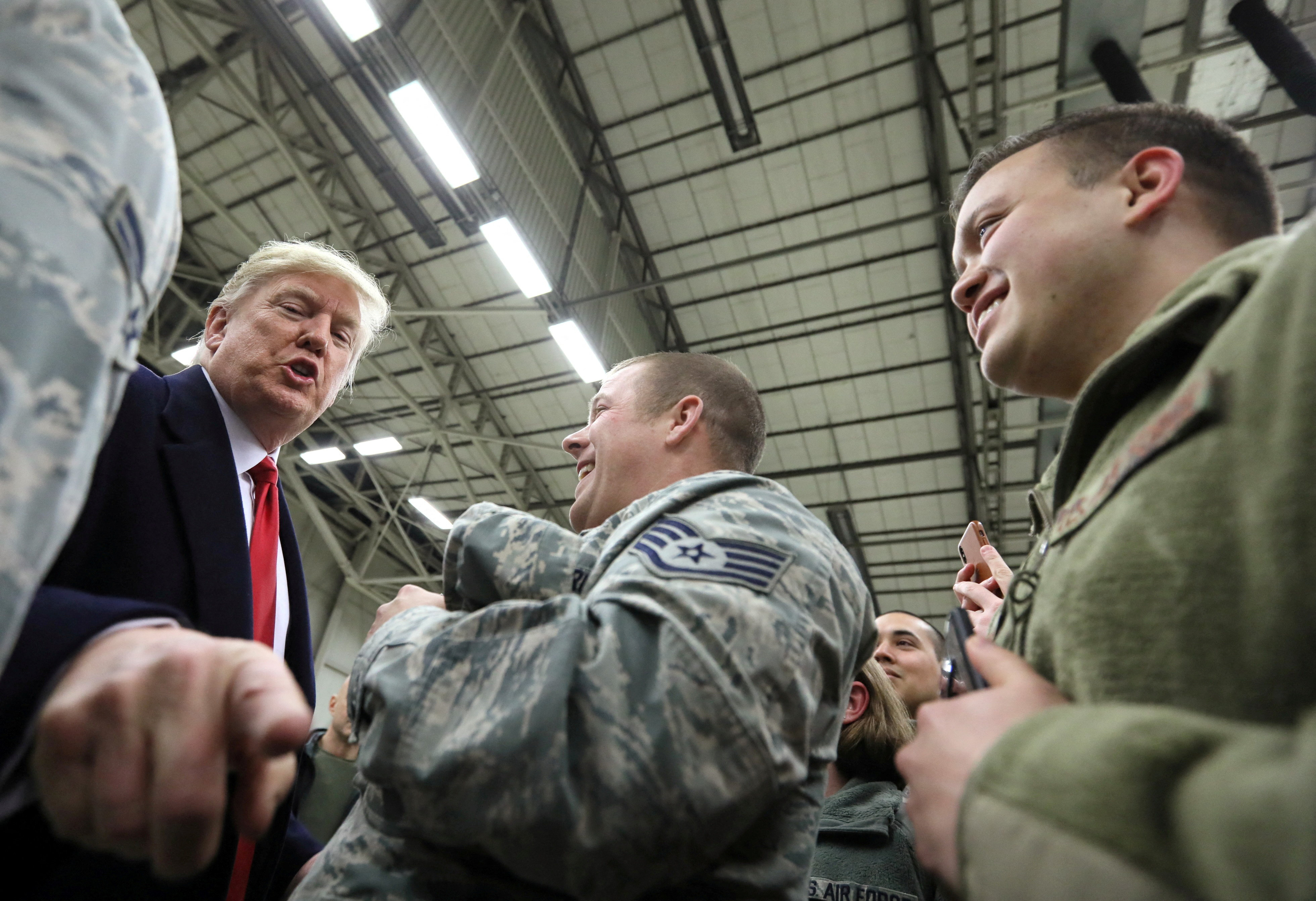
And then MAGA came along, and the US went off Europe when Donald Trump was returned to power for a second term in 2024 and began to bully the world.
Most recently the US attacked Iran without consulting its Nato allies and without an exit strategy and disrupted the world economy and economic recovery in Europe. It was also a slap in the face of all the Gulf States, including Saudi Arabia, who will all no doubt be left to clear up the mess.
The damage to Nato is serious because it is not just the governments of Nato countries that have fallen out of love with America, their people feel the same way too because of the huge increase in cost of living the war is causing.
Both America and Israel accuse Iran of enriching uranium with a view to developing nuclear weapons even though both are nuclear powers whereas Iran is not. Iran signed the Nuclear Non Proliferation Treaty in 1970, which was adopted by the Islamic Republic of Iran after 1979. Also, Ayatollah Khomeini (1979-1989) and Ayatollah Khameini (1990-2026) ruled that nuclear weapons are forbidden in Shia Islam because they cause indiscriminate mass destruction of civilians and future generations.
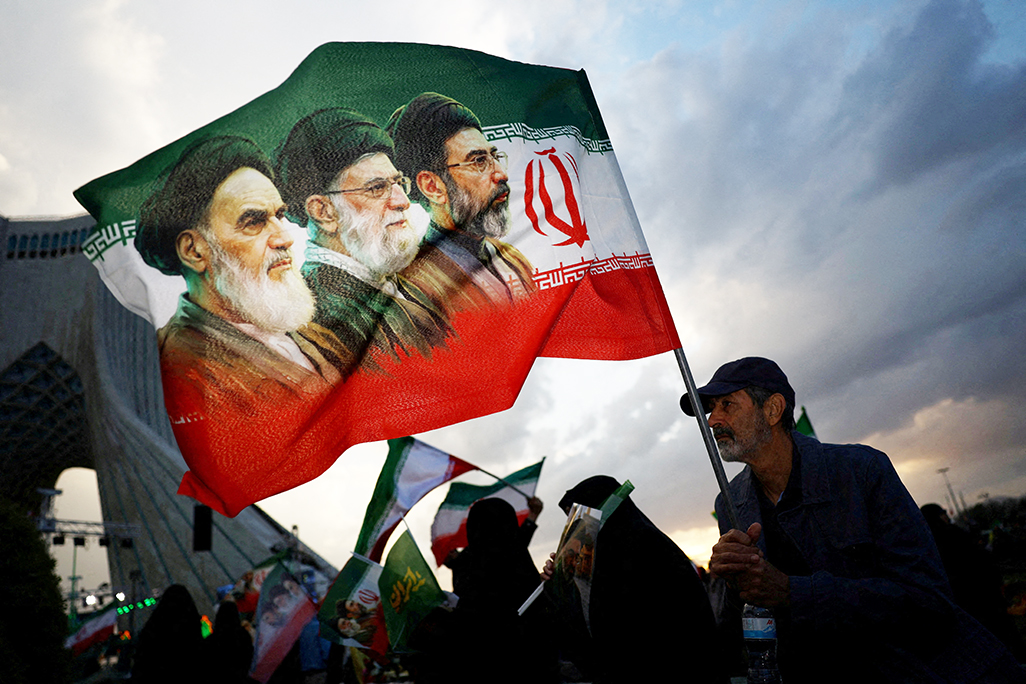
Khomeini was so against nuclear weapons that he forbade their development even when Iraq’s Saddam Hussain – supported by the US – used chemical weapons against Iran in the Iran-Iraq war (1980-1988) with the knowledge of the American CIA and British intelligence.
From the point of view of the US administration, however, Nato, allies like UK, Germany and Spain were unreliable because they refused to help the US in its war on Iran. It did not matter to the US president that Nato is a defensive alliance rather than a vehicle for offensive operations.
But it does matter because the use of force is unlawful under the UN Charter except in cases of individual or collective self-defence following an armed attack. The right to collective self-defence permits states to defend other states under armed attack just like one person can lawfully defend another under physical attack. But the obligation to defend allies in the event of an armed attack is an inter-state obligation borne of multilateral treaties between states rather than an inherent right derived from customary international law.
As the long term prospects of Nato do not look good after the US fell out with key allies in Europe over its attack on Iran, the EU’s defence and security framework deserves much more attention than previously.
Article 42 of the TEU requires the EU to have a common defence and security policy with an operational capability provided by member states for use in peacekeeping, conflict prevention and strengthening international security guided by the principles of the UN Charter.
The EU will adopt its own defence policy when and if it becomes necessary – presumably if Nato ceases to function effectively. EU member states are already required to commit assets to the Union for common defence and develop their capabilities in accordance with operational requirements set by the Union.
Militarily stronger states can make a bigger contribution and organise themselves under a permanent structure within the Union defence framework. Crucially, individual member states of the Union can expect assistance from fellow members because under article 42.7 “if a member state is the victim of armed aggression on its territory, the other member states shall have towards it an obligation of aid and assistance by all the means in their power, in accordance with Article 51 of the United Nations Charter.”
In 1986 in the case of Nicaragua v United States the International Court of Justice (ICJ) held that under article 51 of the UN Charter the victim state must not only have suffered an armed attack, but declared that it has been attacked and requested military assistance from its allies.
Neutral states like Ireland and Austria would not be required to give up their neutrality and the 23 EU member states that are also members of Nato are required to operate article 42.7 consistently with their obligations to Nato that “remains the foundation of their collective defence and the forum for its implementation.”
As originally conceived Nato was said by its first Secretary General Lord Ismay designed to “keep the Americans in, the Russians out and Germans down.” Now the Americans want out, the Germans are back and the Russians are in East Ukraine and Crimea. It remains to be seen how foundational Nato remains after the Iran war.



Click here to change your cookie preferences