
The world seen through a woman’s lens and the systems that shape them
There’s something quietly persistent about the way Alexandra Matheou makes films. She keeps returning to the private lives of women, not as isolated, intimate portraits, but as windows into the systems that shape them. It’s a perspective that has gradually set the Cypriot writer-director apart on the international short film circuit.
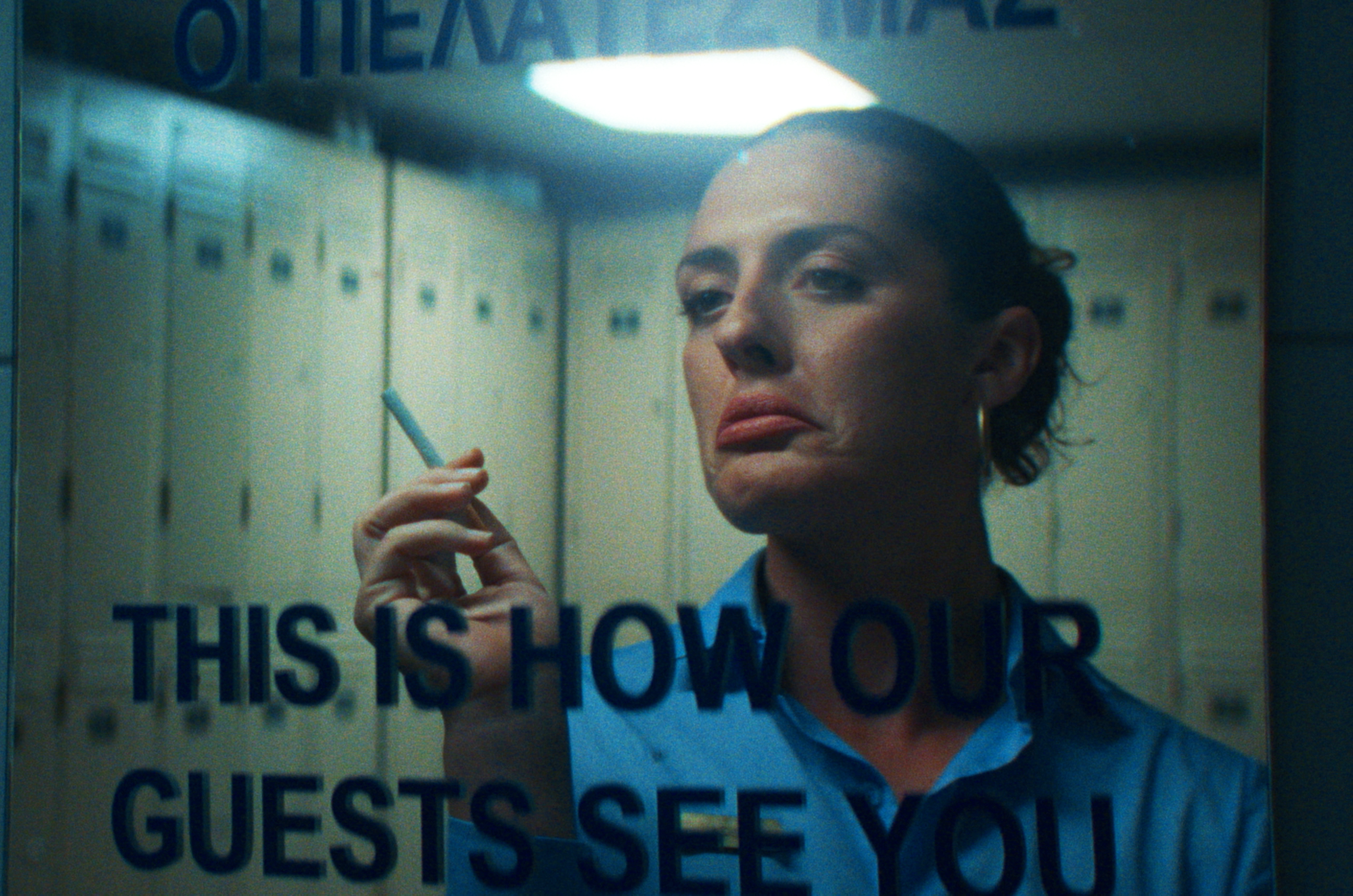
Now, she’s taking that voice to one of cinema’s biggest stages. Her latest short, Free Eliza (Notes on an Anatomical Imperfection), is set to premiere at the Quinzaine des Cinéastes at the Cannes Film Festival later this month marking a major milestone at a turning point in her career.
“It means a lot to me,” she says. “This is my last short before moving into my first feature, and I really hoped the film would find its way somewhere like Quinzaine ahead of that next step. The fact that it has is very humbling.”
There’s also a personal weight to the moment. “It means a great deal to be part of a festival I’ve spent years cherishing. It’s been a point of reference for me for a long time, so to arrive there with a film of my own feels very special.”
Cannes is more than just a showcase. For many filmmakers, it opens the door to a global conversation. Quinzaine des Cinéastes, known for championing bold, director-driven work, feels like a natural fit for Matheou.
Her films do not aim to be easy. They are precise, often a little unsettling, and deeply focused on identity, class, grief and the female body.
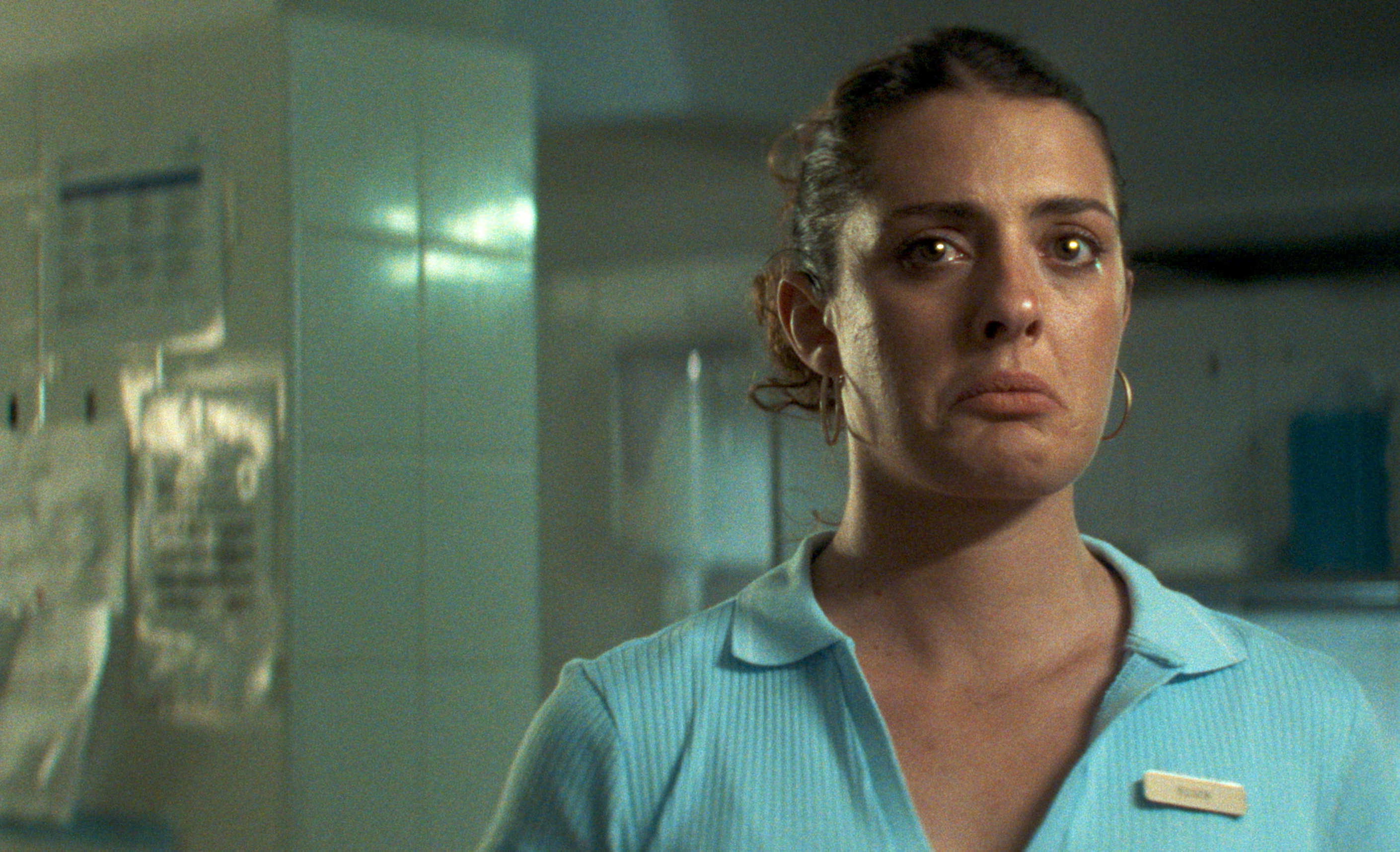
Free Eliza continues along that path. While details of the film are being kept under wraps, its starting point is deceptively simple. “It began with the idea of someone who cannot smile in a world where smiling is expected all the time,” says Matheou. “From there, it became more about the pressure to perform happiness.”
Set in a resort, a space built around curated ease and enjoyment, the film leans into that tension. “It’s a controlled environment where emotions are part of the job,” she explains. “That gap between what is felt and what is shown became the core of the film.”
At its centre, the 20-minute film questions something most people rarely think about. “We’re so used to seeing happiness as something visible and immediate,” she says. “I wanted to shift that slightly. Maybe create a bit more room for people who don’t perform in expected ways.”
She is not interested in offering neat conclusions. “I hope people can root for a heroine who is unapologetically herself, even if that makes things uncomfortable for others.”
Discomfort is something her work often sits with rather than resolves.
“Ambiguity feels closer to how we actually experience things. Emotions are often unclear, even contradictory, and I’m interested in staying with that rather than smoothing it out.”
That same thinking shapes the characters in this and her previous films, people navigating systems they didn’t design but still have to move through every day. “A lot of that has to do with class, who is expected to serve, who gets to be seen, who is allowed complexity and who isn’t.
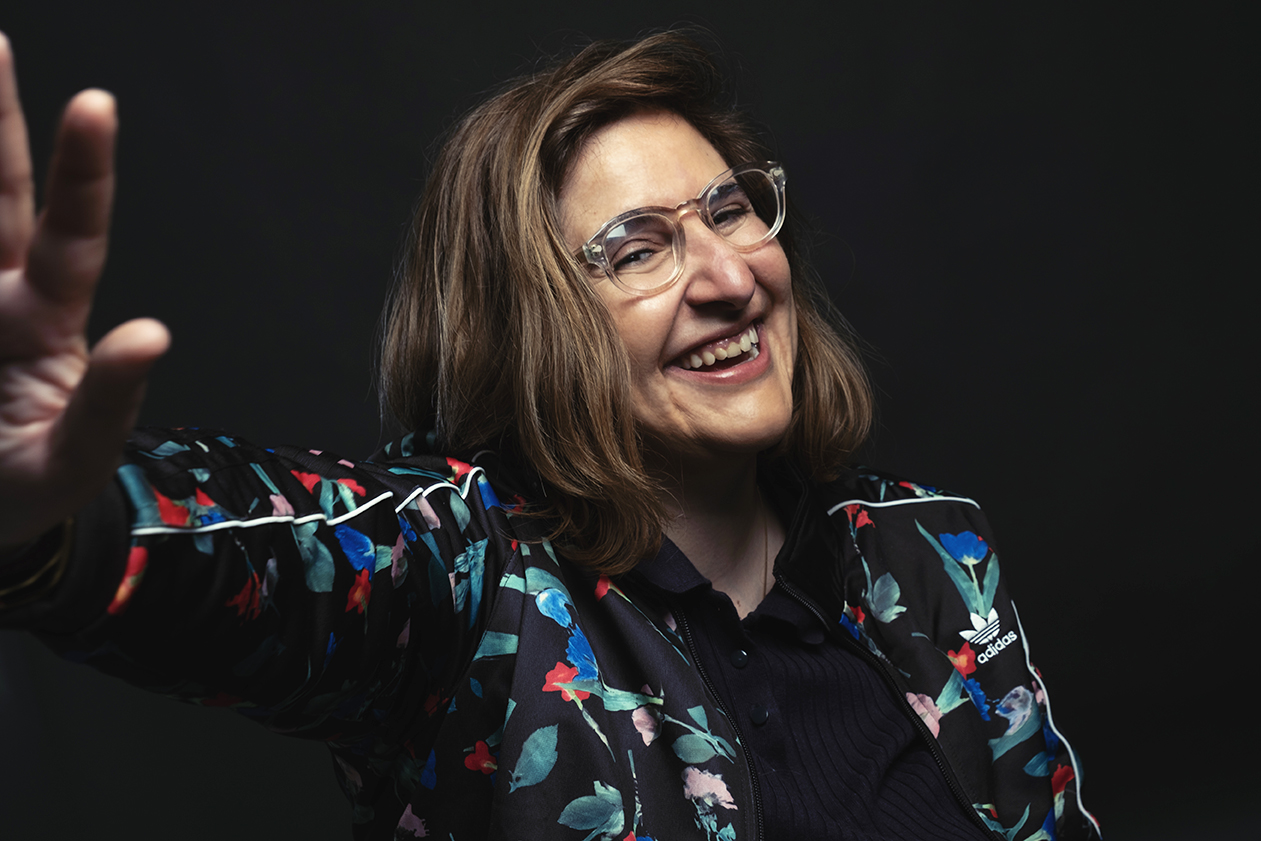
“If you stay close enough to a character, to how they move, what they notice, what they hold back, the larger structure starts to reveal itself,” she explains. “You don’t need to point at it.”
Her balance between control and feeling is perhaps shaped by her background. Before turning fully to filmmaking, she studied law at King’s College London, completing both an LLB and LLM, before moving into Film Studies at University College London.
Since then, her films have been building momentum for years. Anorak (2015) introduced her voice, followed by Grief (A Place None of Us Know Until We Reach It) (2018) and Tragedies Come in the Hungry Hours (2020), each sharpening her focus on emotional and psychological landscapes.
Then came A Summer Place (2021), which marked a shift. “Yes, it did,” she says when asked if the film changed things for her. “It was more a shift in confidence. Seeing it travel and connect with different audiences made me trust my instincts even more. It reassured me that something very specific can still reach people.”
Her next phase will see Matheou alongside Free Eliza develop her aforementioned debut feature, already backed by major institutions, as well as a second project, Stringa, co-created with Athens-based film producer, writer, director Maria Hatzakou.
Despite her growing international presence, she remains closely connected to Cyprus.
In 2019, she founded her own production company, This Is the Girl Films, marking a commitment to build something locally.
For Cyprus, still carving out its place on the global film map, her selection for Quinzaine des Cinéastes matters too. It is a reminder that stories rooted on the island can travel and resonate internationally.




Click here to change your cookie preferences