
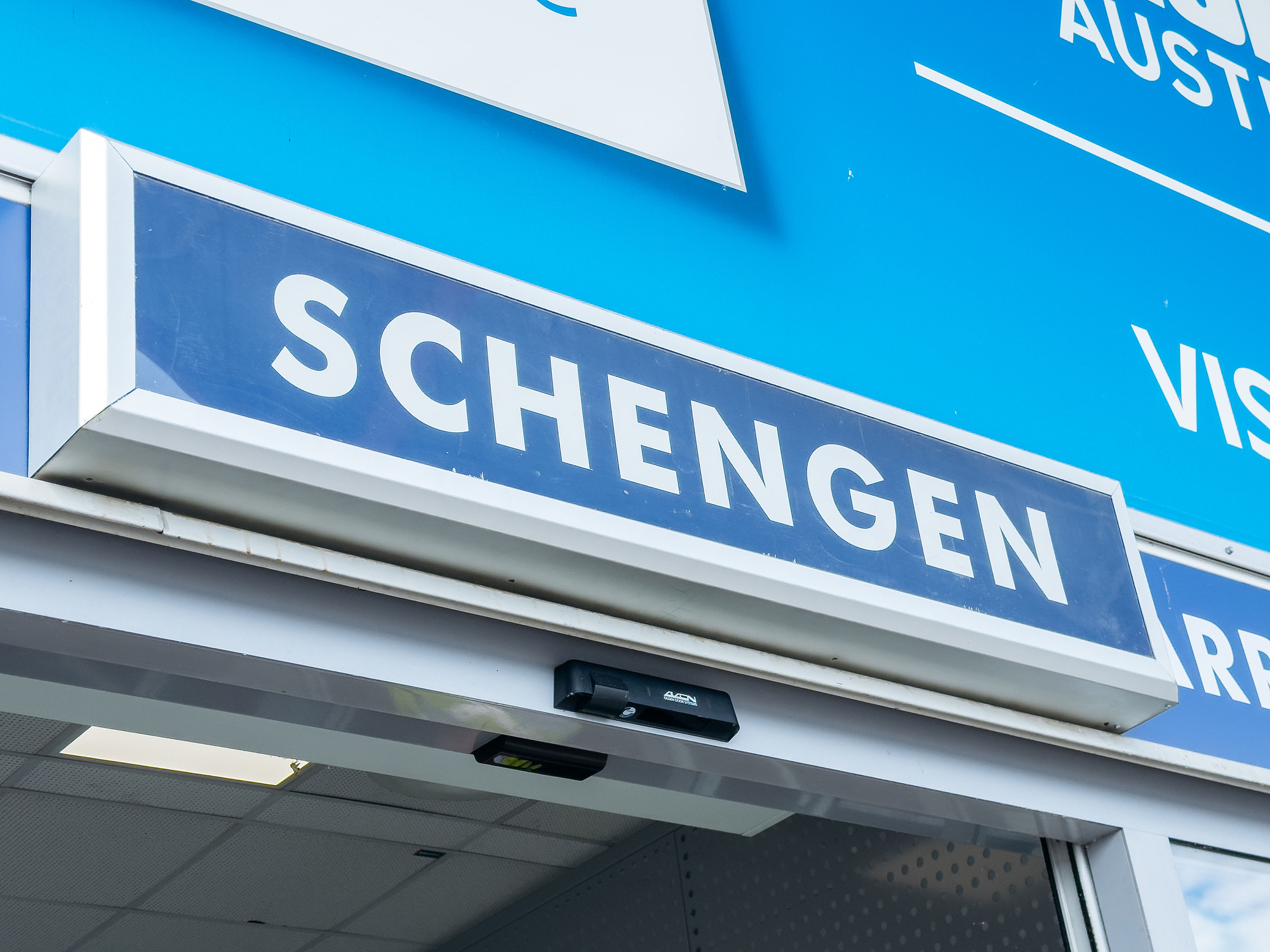
President Christodoulides clearly sees Cyprus playing a larger role in Europe. He is keen to get the message out there that Cyprus is not just a destination in Europe but a gateway into the EU for business. If Cyprus were to join Schengen it would effectively make integration and connectivity with the other 25 EU states and the four members of the European Free Trade Association (Iceland, Liechtenstein, Norway and Switzerland), already in Schengen, much easier.
Despite all the positive talk in recent days about meeting technical requirements, there are still a number of hurdles that seem to have been overlooked in all the hyperbole about readiness for Schengen. The point of Schengen is that people can travel freely between member states without going through border checks. Technical readiness is not just about upgrading Larnaca airport, simplifying visa procedures at consulates and better data sharing with the EU. According to the ETIAS website, technical readiness means that Cyprus is able to guard “Schengen’s external borders and share real-time data on migration and security”.
So, it is unclear how Cyprus can join Schengen while it still has Turkey occupying half the island; it not only has no control of some of its external boards, it also currently has internal border checks. When asked about this a month ago, sources at the foreign ministry still seem to be under the illusion that the technical readiness is somehow a separate issue to internal borders and security, saying, “if some countries still raise concerns about the Green Line, we’ll cross that bridge when we get there.”
Back in early May 2025, the president announced at an event in Nicosia, “We will enter the Schengen zone in 2026.” The timeline is already slipping and during his visit to India he put this back to the beginning of 2027. Last week, the European Commission published its fifth State of Schengen report. It clearly seems to contradict some of the government’s own claims to be near technical readiness. While Cyprus features in the proprieties for the 2026-2027 Schengen cycle, the language in the report is about acknowledging progress but emphasising the unresolved technical and political hurdles. This is despite the fact that in April government sources told the Cyprus Mail that they had already ticked all the boxes, and “our goal for technical readiness by the end of 2025 has been achieved.” Meanwhile, in April, the Schengen area introduced the Entry-Exit System, which Cyprus is not part of.
Christodoulides has been keen to use his presidency of the Council of the European Union to “work as honest brokers” to strengthen Europe’s defence and security and address migration. His message is on the Cyprus presidency of the Council website. In January this year, at the start of Cyprus’ presidency of the Council, he made a statement, in which he thanked the President of the European Commission, Ursula Von der Leyen, for the co-operation of the Commission and claimed, “We look forward to further substantial progress and our accession in 2026.” What does that mean? Was he being an honest broker when he talked about joining Schengen in 2026?
All 29 Schengen members must unanimously approve Cyprus joining Schengen. Some countries, like Austria and the Netherlands, have already expressed concern over the security risks posed by the Green Line. Realistically, without a solution to the Cyprus problem, joining Schengen is unlikely to happen, despite the government’s assurances.





Click here to change your cookie preferences