
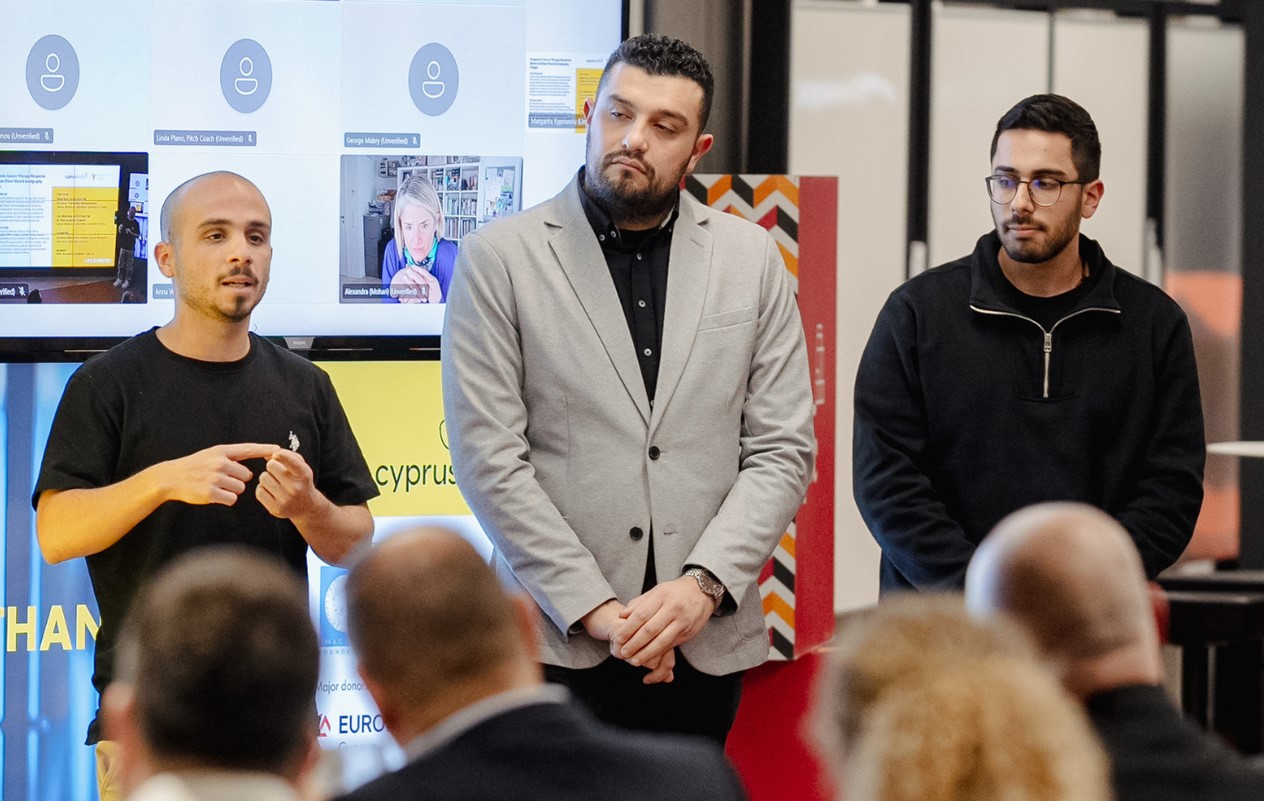
A Cyprus-based research and innovation team developing an AI-powered oncology software platform called Prognostic has outlined its progress, goals and challenges in an exclusive interview with the Cyprus Mail.
Supported by non-profit organisation Cyprus Seeds, the project is led by Dr Chrysovalantis Voutouri, founder, CEO and lead researcher, working alongsideprofessor Triantafyllos Stylianopoulos, Head of the Cancer Biophysics Laboratory at the University of Cyprus, and AI specialist Kyprianos Dimou.
The team combines expertise in cancer biophysics, medical imaging, Shear Wave Elastography, artificial intelligence, machine learning and translational oncology, supported by experience in preclinical research, clinical research, software development and commercialisation.
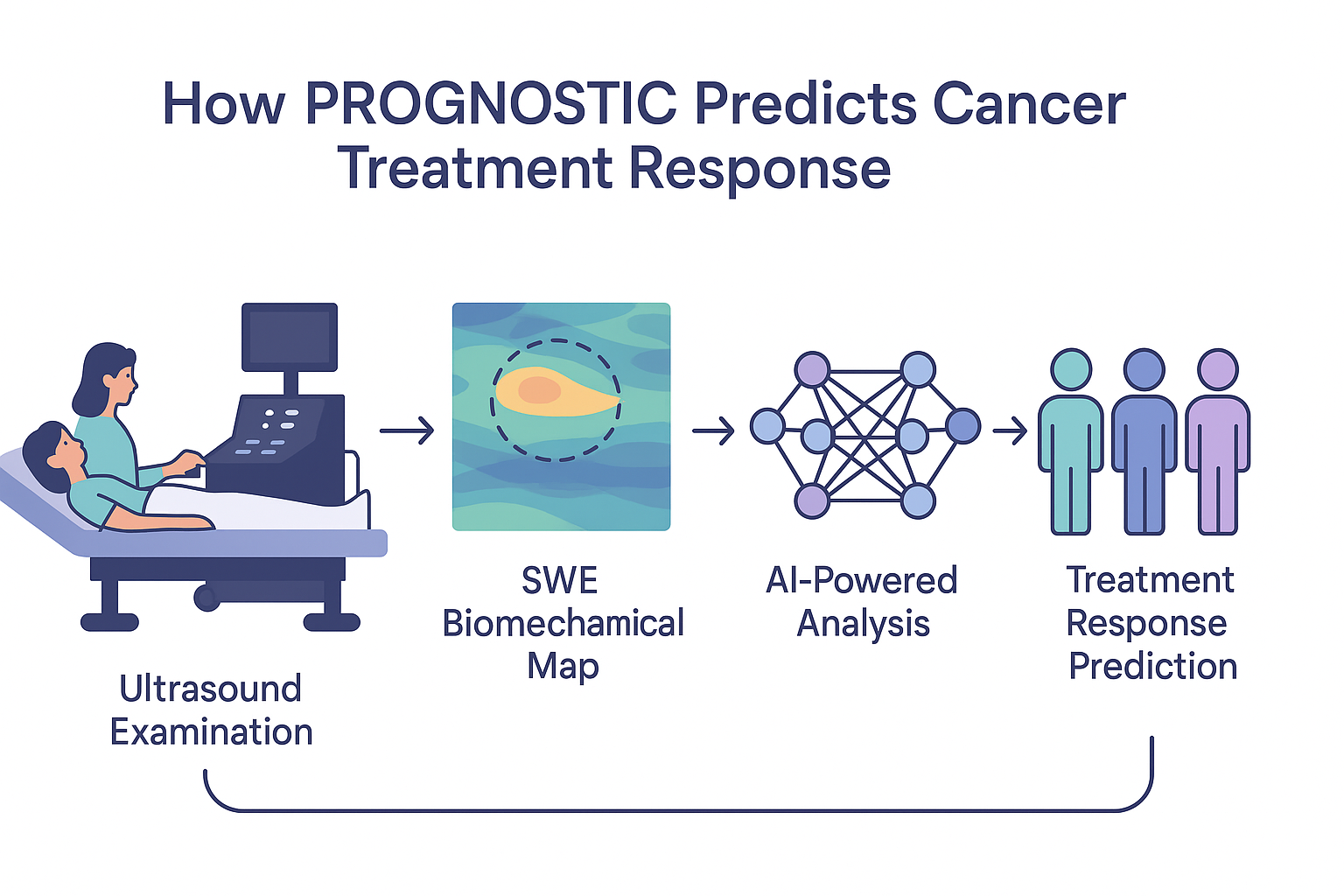
Prognostic is described as an AI-based platform that analyses tumour stiffness from ultrasound imaging to predict how cancer patients will respond to treatment.
The system is designed to provide early, non-invasive insights that help clinicians select the most effective therapy earlier in the treatment pathway.
By identifying ineffective therapies sooner, the tool aims to support personalised cancer care, reduce unnecessary side effects and improve patient outcomes.
The team highlighted three major milestones achieved over the past 6 to 12 months, beginning with the development and validation of an AI model using Shear Wave Elastography data.
The model focuses on predicting treatment response in breast and pancreatic cancer preclinical models, marking a significant step in translational oncology research.
The second milestone involved pilot testing on preclinical and early clinical imaging datasets, carried out in collaboration with Cypriot clinical partners.
These include the German Oncology Center and the Bank of Cyprus Oncology Centre, with results showing strong and consistent predictive performance.
The third milestone is institutional support from innovation and research bodies, including Cyprus Seeds, Conception X, Enter Grow Go and the Research and Innovation Foundation of Cyprus.
This support has enabled the team to advance its commercialisation strategy and prepare for clinical adoption pathways.
Looking ahead, the team’s primary objective over the next 12 months is to advance Prognostic to a higher technology readiness level through clinical validation and first hospital pilots.
Key requirements for achieving this include access to clinical partners, availability of imaging data, regulatory guidance and business development support.
The target market for the platform includes hospitals, oncology clinics and medical imaging centres, where the system could be integrated into diagnostic and treatment planning workflows.
If successful, the technology could have significant impact by improving personalised cancer treatment, reducing ineffective therapies, lowering healthcare costs and enhancing patient outcomes at scale.
Beyond financial support, the team said the most valuable contribution from Cyprus Seeds has been mentorship and business guidance, which helped translate academic research into a commercial product.
“The most valuable aspect has been mentorship and business guidance, helping us turn strong academic research into a clear commercial product with a real market focus,” the team said.
They added that the programme helped refine their go to market strategy, identify clinical and industry partners and shape a business model suited for early healthcare adoption.
The team identified its biggest challenge as clinical adoption and navigating the regulatory pathway for AI based medical software.
“Cyprus Seeds is actively supporting us through expert mentoring and access to a strong network, helping us navigate regulatory requirements and strengthen our clinical validation strategy,” the team said.
They also said the support is helping them engage with key partners for early adoption of the technology in healthcare systems.
The project is currently at the prototype and proof of concept stage, moving into late proof of concept and early validation.
Over the next 18 to 24 months, the funding strategy includes clinical pilot programmes followed by national and European funding applications such as RIF and Horizon Europe, alongside early strategic partnerships.
The team also highlighted the need for external support in several areas, including clinical oncology centres for pilot studies, medical imaging companies, regulatory and medical device commercialisation experts, and AI healthcare scale up mentors.
The Prognostic project reflects a broader push in Cyprus’ research ecosystem to move advanced scientific work into commercial health technologies with real world clinical application, particularly in the field of AI driven oncology innovation.





Click here to change your cookie preferences