
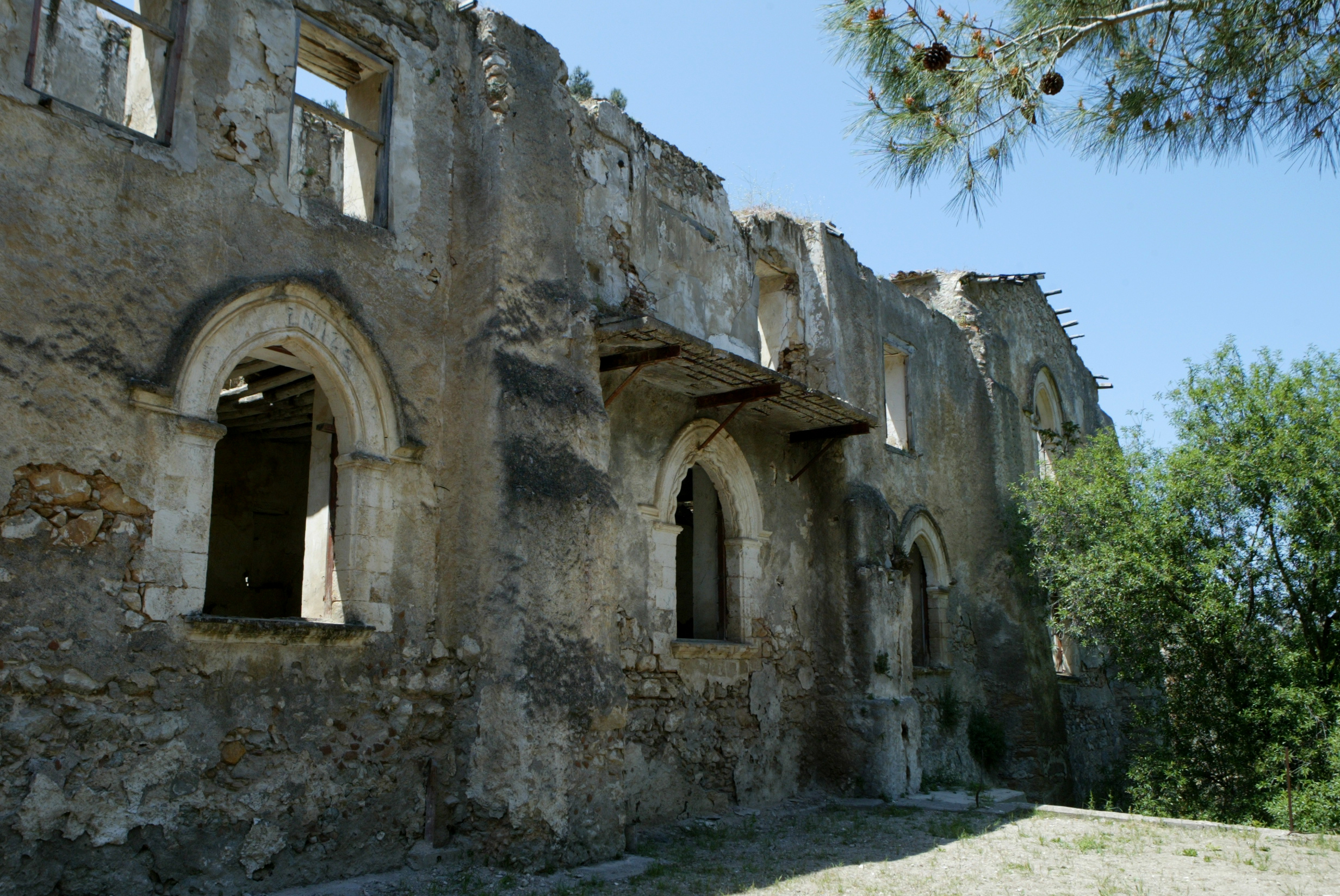
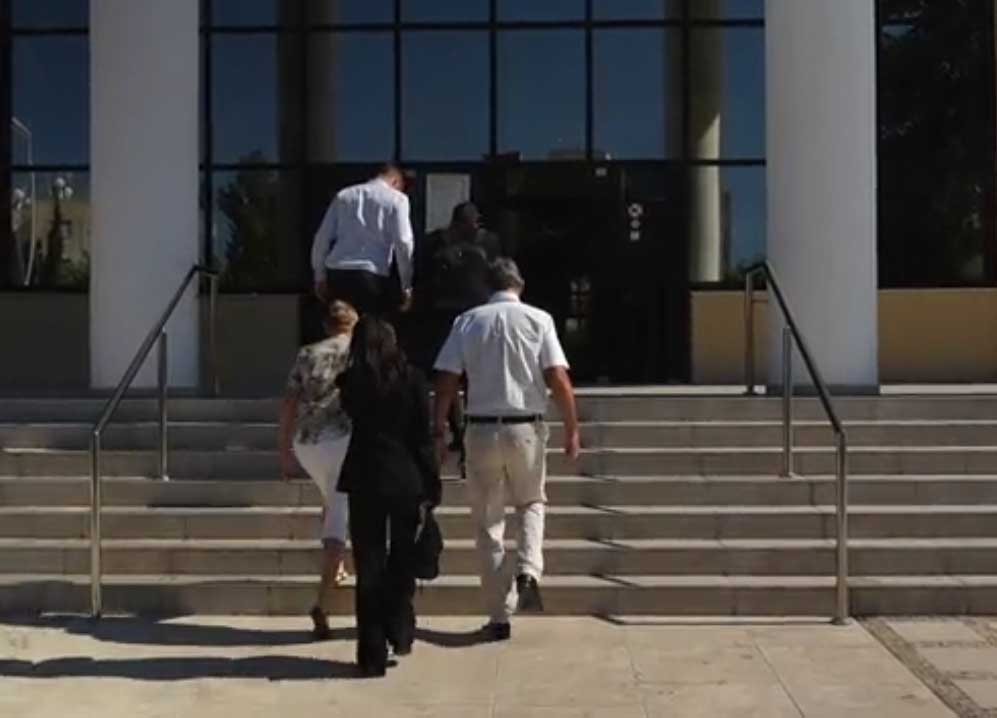
A planned pilgrimage to the Sourp Magar Armenian monastery in the Kyrenia district was cancelled at the last minute by the Turkish Cypriot authorities, Armenian Cypriot non-voting representative in parliament Vartkes Mahdessian said on Thursday.
He told the Cyprus Mail that the paperwork for the trip to take place had been filed through the United Nations to the Turkish Cypriot ‘foreign ministry’ “three months” in advance of the planned pilgrimage, and that the Armenian Cypriot community was informed last Saturday that the pilgrimage would be able to go ahead this Sunday.
However, he said, on Monday, the community was informed that there had been a “clerical error”, and that as such, permission for the pilgrimage had been revoked.
“Before the Covid-19 pandemic, this was something which used to happen every year. It stopped before the pandemic and different things have happened since them, but now, it is very important for it to happen, because they are beginning to give us money to be able to renovate the monastery,” he said.
He added that to this end, “we made really good progress”, but that with the revocation of the permission for the pilgrimage, “we have taken one step forward and two steps back”.
“On Saturday, they told us that it could happen, and while it was very late in the day, we organised the buses, we put out an announcement for people to register, and around 60 or 70 people registered,” he said, adding that typically, “people even come from abroad” to attend the pilgrimage.
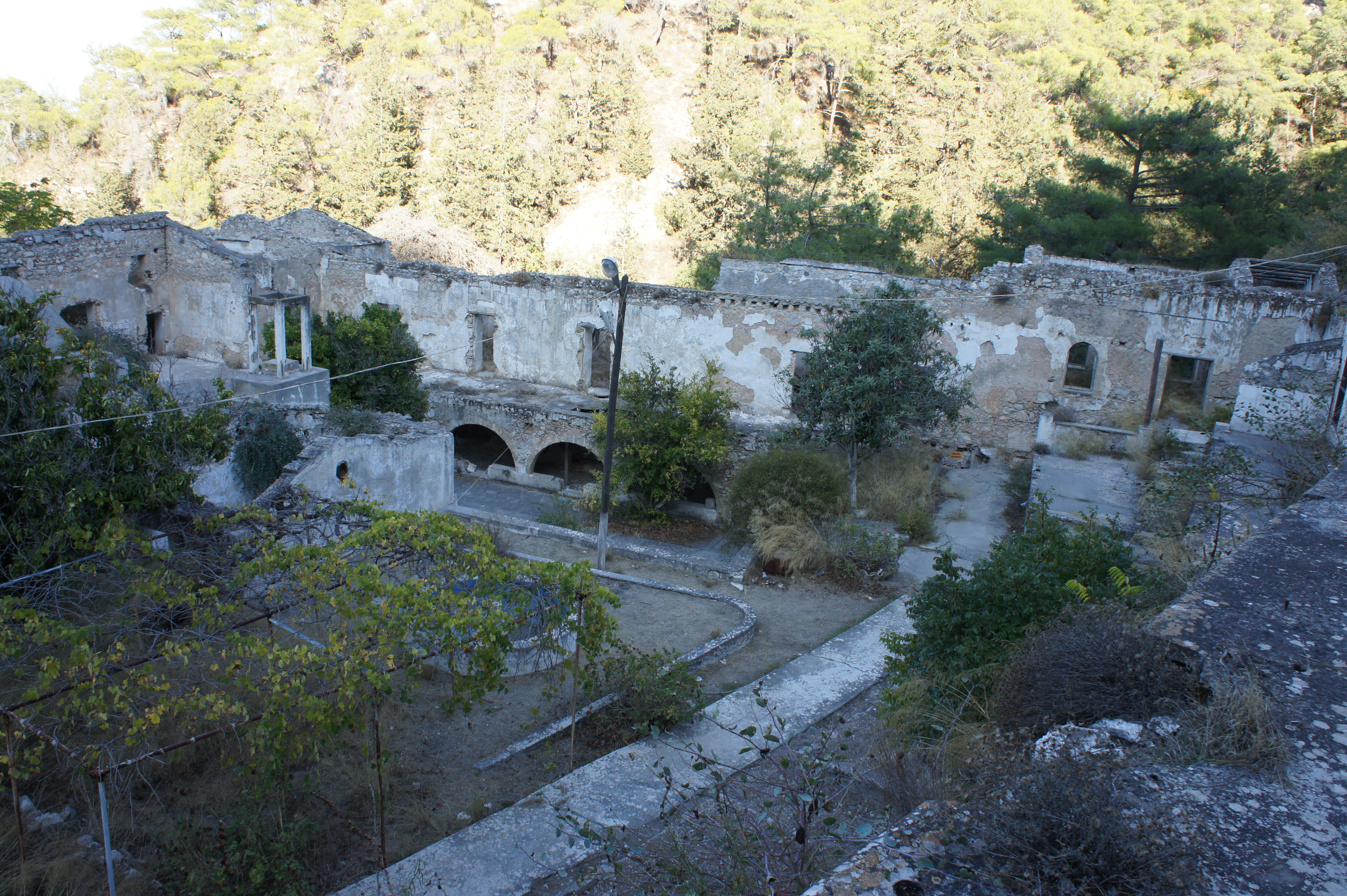
Turkish Cypriot ‘foreign minister’ Tahsin Ertugruloglu, meanwhile, told the Cyprus Mail that permission for the pilgrimage had not been granted due to the “physical state” of the monastery which, at present, is derelict.
He added that “a different church will be suggested” to the Armenian Cypriot community to allow for a pilgrimage to take place in the future.
Mahdessian had explained earlier that the pilgrimage historically took place on the first Sunday of May every year, in line with the Armenian Christian feast of Sourp Magar, which is held in celebration of the Saint Macarius of Alexandria.
The monastery had been dedicated to Saint Macarius of Alexandria by the Coptic Orthodox Church, which, according to scholars, owned the monastery before it was transferred to the Armenian Cypriot community in the late 14th or early 15th century.
Cyprus’ Armenian population grew substantially after the fall of Cilician Armenia – an Armenian kingdom in southeastern Anatolia which had its capital near what is now Adana – in 1375, with Armenians continuing to migrate to the island in the ensuing decades as Turkic peoples entered Anatolia from the east.
Sourp Magar remained in Armenian hands through the periods of Venetian and Ottoman rule in Cyprus, and was even exempted from taxation by the Ottoman Empire.
As of 1935, a total of 17 people lived permanently at the monastery, which also housed a collection of manuscripts and other sacred items, though they were relocated to Nicosia and to the Holy See of Cilicia, which is now located in the Lebanese town of Antelias, in the first half of the 20th century.
The monastery became inaccessible to Armenian Cypriots after 1974 and fell into ruins, but the May pilgrimages recommenced in 2007.
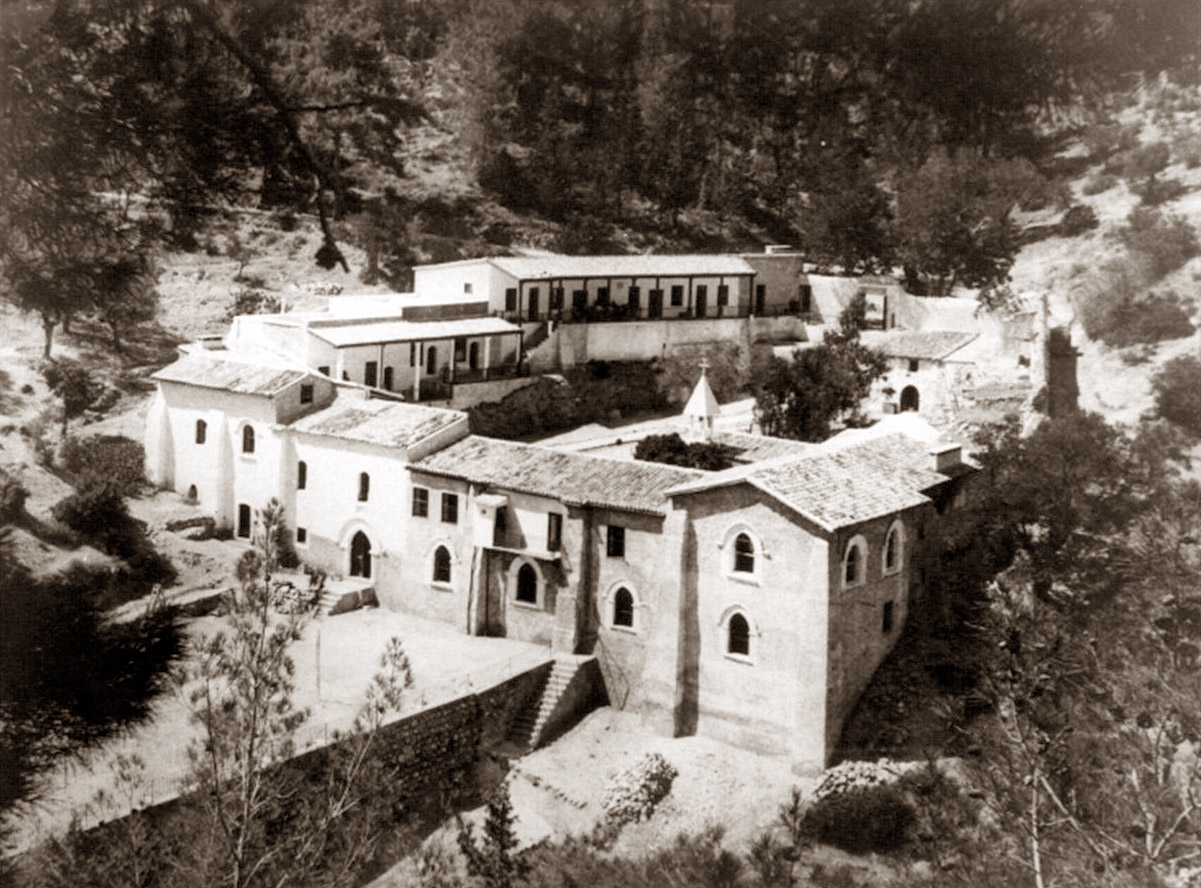
Sourp Magar before the Turkish invasion


Click here to change your cookie preferences