
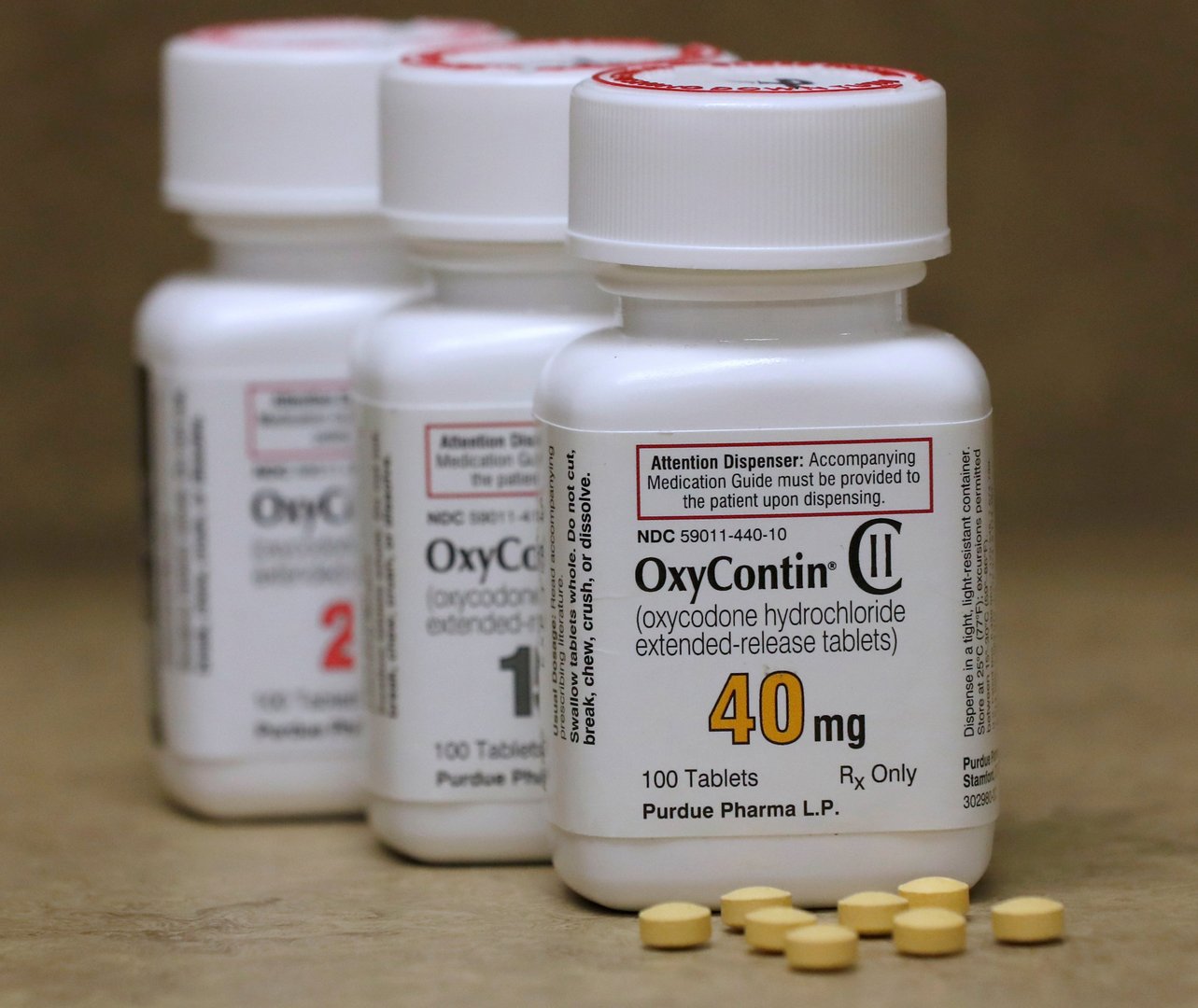
The Cyprus addiction treatment authority is stepping up harm reduction policies as new synthetic opioids, polydrug use and widening inequalities increase drug-related risks, the organisation said on Thursday.
In a statement for international harm reduction day on May 7, the authority’s president, Christos Minas, said harm reduction is now a key part of modern drug policy because it focuses on health, dignity and saving lives.
He said recent data from the European Union’s drugs agency show Europe is facing more complex drug threats, including highly potent new substances.
He warned that early intervention, overdose prevention and action against infectious disease remain urgent public health priorities.
Minas said harm reduction is an evidence-based approach that reduces deaths and improves health outcomes.
He pointed to established measures such as clean syringe distribution, opioid agonist treatment – medications that prevent withdrawal and reduce cravings – and wider access to naloxone – to reverse opioid overdoses – and outreach programmes.
In Cyprus, he said the authority is expanding services and improving their quality, with a stronger focus on vulnerable groups.
He added that efforts are also being reinforced in correctional institutions, where access to treatment and support is often more limited.
He said future efforts include developing integrated “one-stop shop” care centres and improving coordination between health services, social care and community organisations.
The aim, he said, is to create a more connected and accessible system of support.
The authority also highlighted cooperation with European and international organisations, including the correlation, European harm reduction network, as well as closer engagement with civil society groups.
Minas said harm reduction is not only a health strategy but also a matter of social responsibility.
“It reflects realism, solidarity and respect for human rights,” he said, adding that the goal is to ensure that no one is left behind in addressing addiction.





Click here to change your cookie preferences