
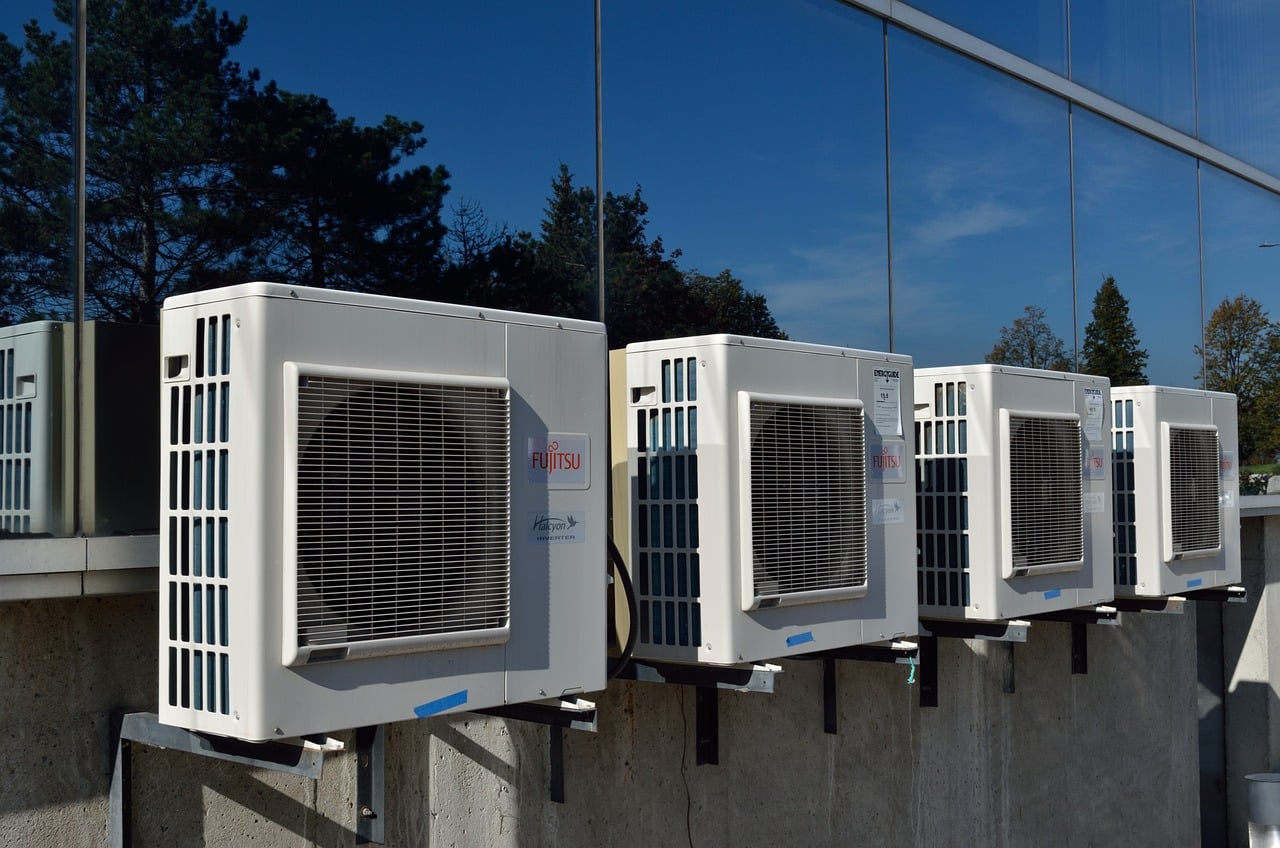
Plans to install air conditioning in public schools are facing delays, with electrical contractors warning that technical constraints and grid limitations could prevent systems from operating during the summer, even as authorities insist the programme is progressing across districts.
Speaking on Alpha TV on Monday, the electricians’ union present, George Kyriakou, raised concerns over both school infrastructure readiness and a rise in unauthorised photovoltaic installations.
He said inspections had identified widespread irregularities, stating that “out of the 70 inspections carried out, 35 concerned illegal installations or power increases without the approval of the electrical authority (EAC)”.
He added that similar issues are being detected in industrial facilities, claiming that in some cases systems were installed without proper checks.
“Up to 120 kilowatts were found installed in industries that were not inspected and they connect it to the system themselves,” he said, adding that smart meters are now revealing undeclared energy being fed into the grid.
Kyriakou also warned that current electrical capacity in schools may not support widespread air conditioning use.
“If you go to turn on the air conditioning in the classrooms like this, the automatic switches will go off. There is a problem with the cables,” he said.
He argued that load upgrades and new transformers are required before full operation can proceed safely.
He further urged caution on timing, saying, “Let’s tell the students and parents that the situation is difficult and let’s go next year,” adding that installation constraints and working hour limits are slowing implementation.
The education ministry, however, maintains that installation work is continuing under an existing plan to equip schools with air conditioning to improve conditions during high temperatures.
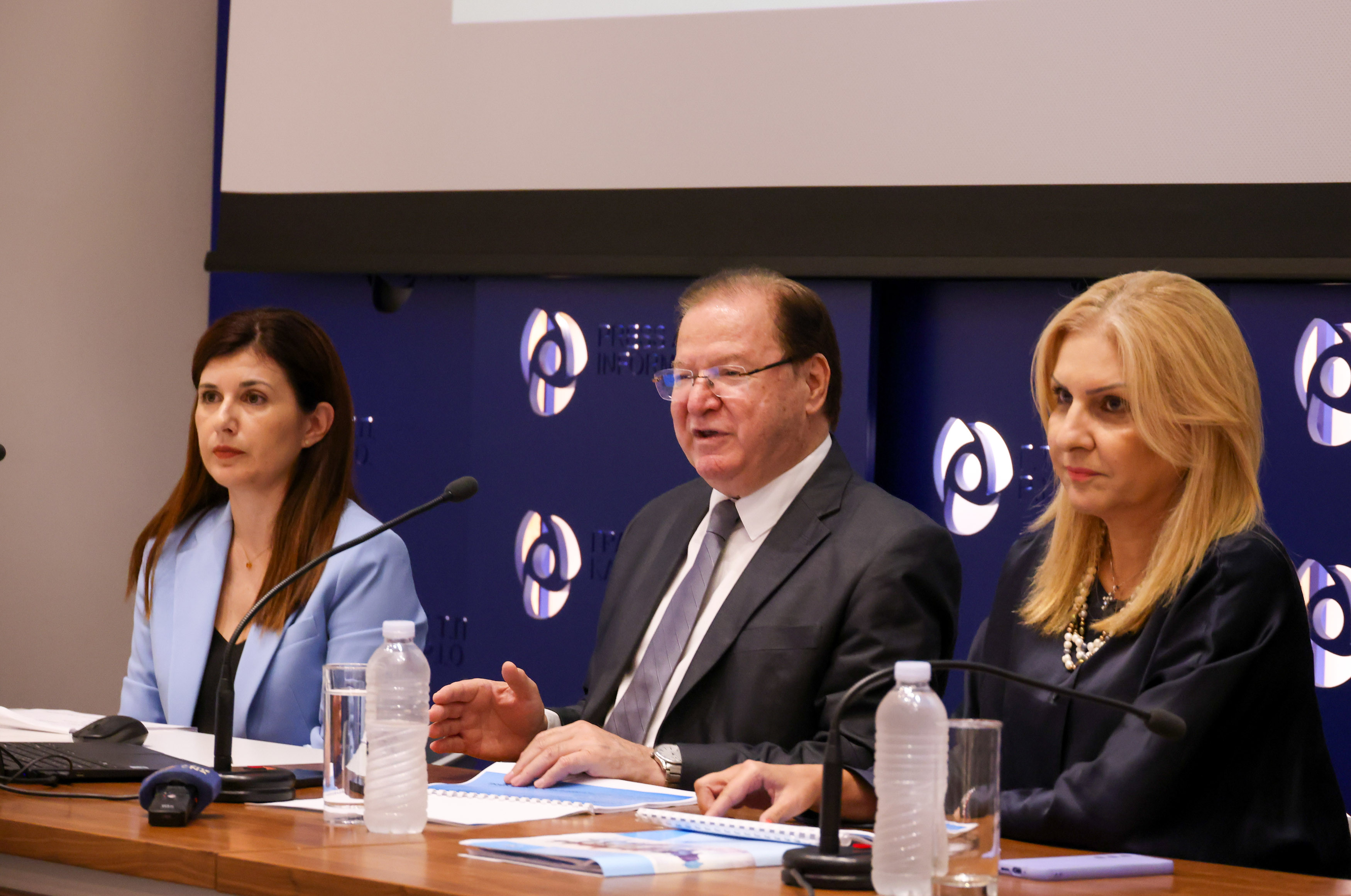
Speaking to the Cyprus Mail, Education Minister Athena Michaelidou said that the rollout of air conditioning in all schools nationwide “is a political decision as we are the only government who has taken the matter upon itself to resolve the situation afters years of inaction”.
Michaelidou affirmed that work is being carried out in an official capacity with the EAC and that electricians’ concerns represent “a third-party view” within the broader process.
She stated that “we are doing everything we can for the safety of students”, insisting that installations in all preschools and lyceums are complete and most gymnasiums will be ready by the end of the year.
According to the ministry, only a small number of schools with serious technical issues will be carried over into next year, with the aim that “by the end of the next school year all schools will be ready”.
Michaelidou also confirmed that all examinations this summer will be conducted in air-conditioned classrooms where systems are already installed.
According to official data, while installations have been completed in most units in Famagusta, Nicosia remains the most complex area due to the number of schools involved and logistical demands.
Troodos schools are not included in the initial phase, with priority given to urban centres.
The ministry said the project is being implemented over a three-year period and remains within the approved schedule.




Click here to change your cookie preferences