
If you look at the business news in almost every country, one thing is for sure – people all over the world are feeling the pinch of inflation. And Cyprus is no exception. Due to the rising cost of living, people have had to tighten their budgets to meet the cost of their basic needs. But guess what? With some simple strategies, you can have enough left over for your savings and even investments. We look at how you can do this even as the economy shifts.
What are people doing to have their cake and eat it?
Cost-cutting can be a hard pill to swallow, especially for people who are new to choosing between their wants and needs. But here is the thing. If done right, it can be such a smooth experience that you might barely feel its effects. For example, airlines have been able to keep operating despite the tough economic times by optimising their aircraft’s efficiency. By working with experts in engines like Magnetic Engines, who offer them more information on how to best maintain their existing airplanes, they are able to keep their operating costs low and thus avoid increasing their ticket prices significantly. You can use similar strategies in your own home.
How?
Embrace energy efficiency
A significant portion of people’s utility bills in Cyprus goes toward electricity, as the average cost ranges from €0.28 to €0.32 per kWh. As such, the average apartment pays about €80 to €120 a month for electricity alone, while a private home or villa can pay as much as €300. That means that if you can lower your utility bills, you can save tens to hundreds of Euros each month. Some of the sound approaches in this regard include:
- Servicing your AC units annually to ensure that they work efficiently;
- Investing in solar energy to take advantage of the sun in the hot months;
- Upgrading to energy-efficient lighting to consume less energy.
It also helps to properly insulate your home to ensure that warm and cool air do not escape, as this increases your reliance on heating and cooling systems.
Plan your meals
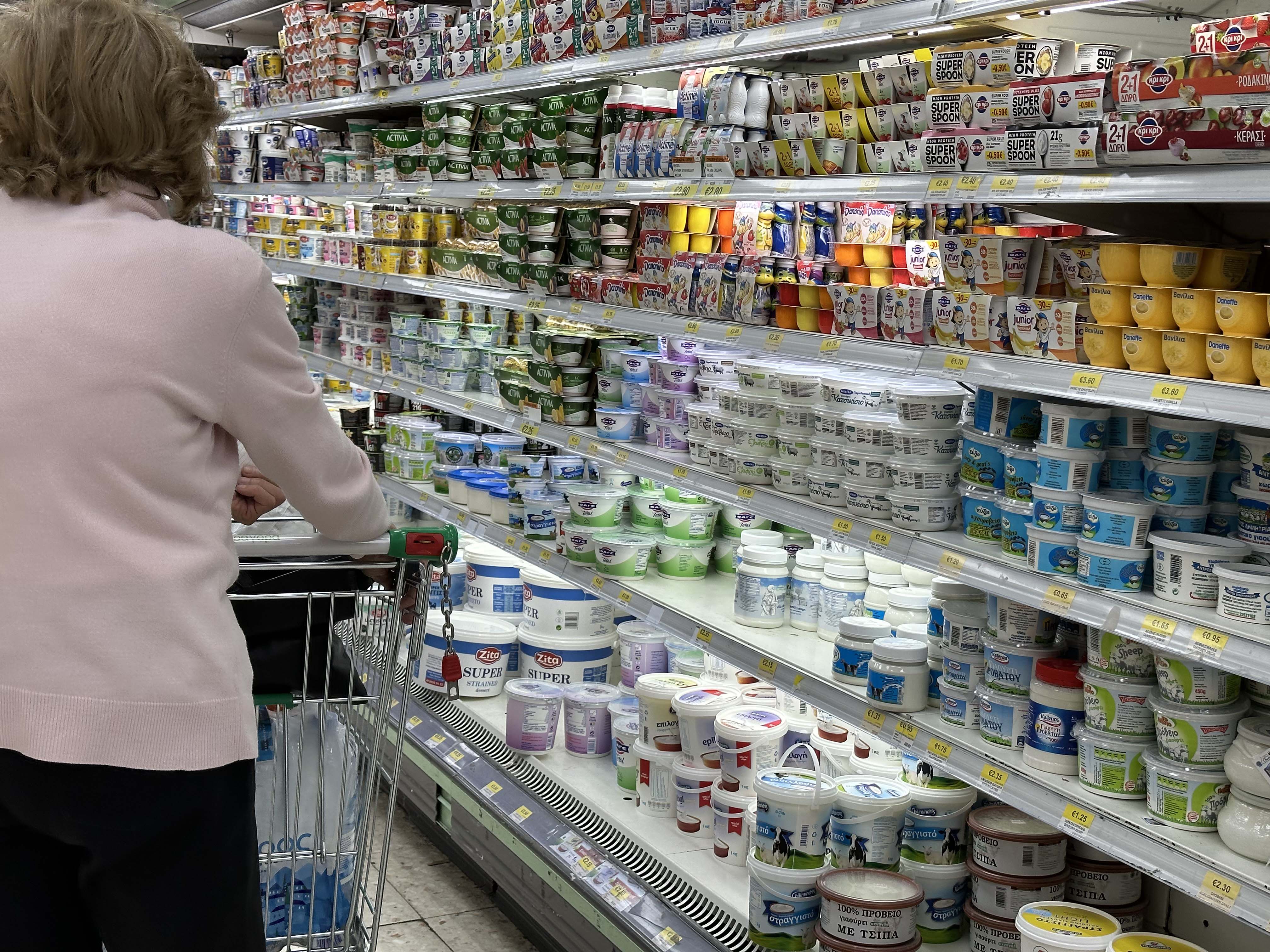
Groceries account for another big chunk of people’s monthly spending due to rising food import costs. On average, single people spend between €250 and €500 a month on food, while a family of four can spend between €600 and €800 a month.
Is there a way you can work around this while still getting adequate, nutritious food? Of course! We recommend that you do the following:
- Prioritise the local produce that is in season, as this will be most affordable;
- Plan your weekly meals in advance. When buying perishable foods, buy only what you need to avoid wasting food.
You can also get a good deal by buying your goods from local farmers and butchers, as they are more likely to offer you a better price than chain supermarkets. Of course, discounted supermarkets offer good prices, too, and they are worth checking out.
Choose the right home
Your housing costs have a significant impact on your monthly budget. One-bedroom apartments, for example, range in rent from €600 to € 1,500, while larger apartments command rents from €900 to €3,000 and above. Houses and villas tend to cost thousands of euros, with luxury homes costing as much as €10,000 a month. Of course, these costs depend heavily on the home’s location, the amenities offered, maintenance fees, and so on.
Given this context, you need to weigh all your options regarding where you will live and whether to rent or buy a home. This way, you can commit to an expense that is sustainable in the long run. For example, if you prefer buying a home and have a budget of €250,000, you may choose to move to Larnaca, where the average prices are €190,000 to €300,000, instead of going to Limassol, where the median house price is over €600,000.
DISCLAIMER – “Views Expressed Disclaimer – The information provided in this content is intended for general informational purposes only and should not be considered financial, investment, legal, tax, or health advice, nor relied upon as a substitute for professional guidance tailored to your personal circumstances. The opinions expressed are solely those of the author and do not necessarily represent the views of any other individual, organization, agency, employer, or company, including NEO CYMED PUBLISHING LIMITED (operating under the name Cyprus-Mail).





Click here to change your cookie preferences