
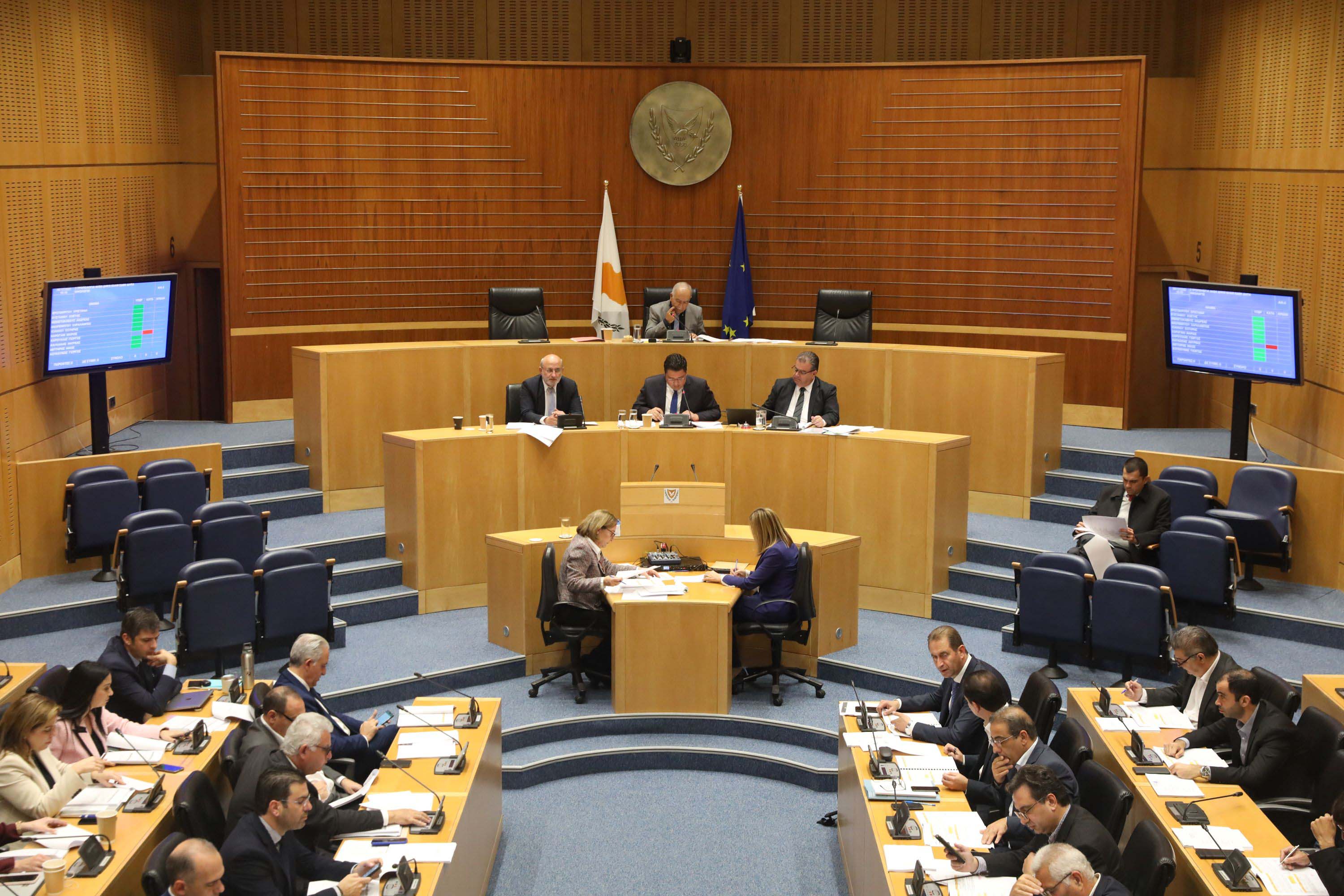
There will be 753 candidates contesting the 56 seats in today’s parliamentary elections. Nine will be standing as independents, although none of them is expected to have the impact that one independent had in the last elections for the European Parliament in which only the two big parties secured more votes than him.
Today’s elections feature a record number of parties – an astonishing 19 – although the majority are standing in elections for the first time. There are oddities such as the Agronomos Farming Labour Party, Green Party of Cyprus, Sikou Pano (Get Up), Patriotic Front Lakedemonians, and the Movement of United Cypriot Hunters among others. DEK (Democratic National Party), which last contested an election in the early seventies, appears to have been re-formed and seeking seats.
Of the newly-formed parties standing for the first time, Odysseas Michaelides’ Alma and Fidias Panayiotou’s Direct Democracy have been attracting most of publicity mainly because of their high-profile leaders. They have also been given a lot of attention by the traditional parties which regard them as a threat. Opinion polls indicate they will win several seats, and Alma appears to be drawing voters of the traditional parties, which is why it has been the main target of Diko and Disy campaigns.
It is Diko and Disy, with the backing of the government, that have been marketing themselves as the responsible, prudent, parties of the centre-right which will ensure stability and sound management of the economy. Their campaigns were focused on the alleged threat posed to this stability by the alleged populism of Direct Democracy and Alma and the far-right populist nationalism of Elam. The irony of Diko posing as a bulwark against populism is delightful.
The main argument used by the defenders of responsible politics – the pro-government columnists have also engaged in the scare-mongering – is that the populists could make the legislature dysfunctional by blocking legislation or amending bills beyond recognition, thus “destabilising” the system and preventing the smooth running of the country. This was the main theme of the campaign of the bigger parties, although there was no substance to their argument.
The truth is that governments have done their jobs pretty effectively without having the support of the majority of the parties in the legislature. The state budget has always been approved without problems (only once was there was a minor crisis when Diko acted in a populist way) and most bills are passed with minimal fuss. Deputies may criticise the president, ministers and other officials at House committee meetings but that is their obligation and the intention is never to “destabilise” the system
President Nikos Christodoulides, in his three years in office, has not commanded a majority in the House – neither did his predecessor in his second term – but this has caused no problems for government nor has the political system’s stability ever been threatened in any way by a fragmented parliament. Why would it happen now, in a presidential system in which a parliamentary majority is of no real relevance?
The large number of parties standing in today’s election is no threat. On the contrary, this shows that our democracy is in rude good health and a bigger number of people want to participate in the political process. Only 7.5 per cent of the 753 candidates standing will win a seat in the House, but the fact they have taken the trouble to stand – in most cases knowing their chance of election is zero – is a big positive for Cyprus politics.
The apathy that older politicians and other commentators complain about is greatly exaggerated. People want to participate in politics as the record numbers of parties and candidates show and everyone should be happy about this instead of spinning scare stories about the “destabilisation” of politics by the election of populists (as if populists have never occupied a parliamentary seat in the past) and other such alarmist nonsense.





Click here to change your cookie preferences