
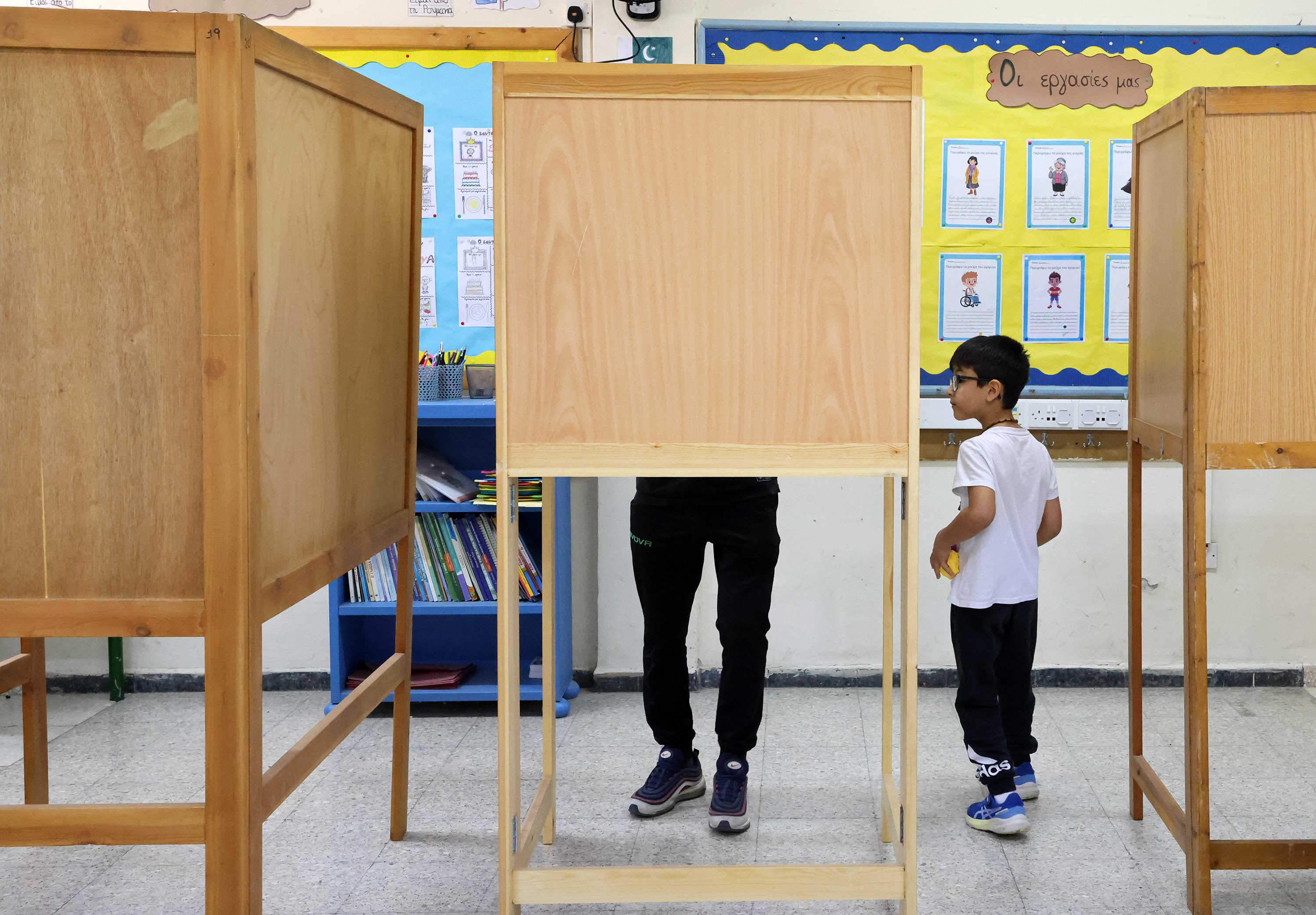
Almost half the electorate will not be represented in the new parliament, having either abstained or voted for parties that failed to gain a seat in the legislature, an analyst pointed out on Tuesday.
In comments to the Cyprus News Agency, Vasiliki Triga – associate professor at the Cyprus University of Technology – spoke of a “democratic deficit” and a growing abstention trend.
The latter, she said, reflects both disaffection with the available options, but on the plus side it also suggests the public has grown more savvy, demanding more from the political process and system.
In fact, Triga opined, the election result shows that political narrative and ideology remain important to many voters who, not finding these things, decided to stay away.
“You can’t run in elections for the legislature and not have an ideology. You can’t just rely on populist rhetoric to attract people. It turns out the public are far more critical and more progressive than the parties themselves,” she said.
In Sunday’s parliamentary elections, the abstention rate clocked in at 33 per cent – with 188,391 registered voters opting to not participate.
Out of the total of 569,182 people registered on the electoral roll, only 380,851 voted; the valid ballots cast came to 372,060.
Collectively, the parties securing seats in parliament garnered 309,438 votes.
The parties/candidates that didn’t make it secured 62,622 votes.
Overall, this means only 54.3 per cent of registered voters have a voice in the new parliament. The rest have no say.
Even though turnout this time was slightly higher than in 2021, Triga nevertheless sees abstention increasing over time.
She noted for example that 2021 should not be used as a baseline, as exceptional circumstances obtained at the time – the elections happened amid the coronavirus pandemic.
Rather, abstention has become systemic.
“It reflects the public’s indifference, a sense that they don’t ‘belong’ somewhere, that they can’t find someone to represent them.”
But according to the analyst, the hundreds of thousands of unrepresented voters could well form a “critical mass” in the next presidential elections in 2028.
“This is an important group, and we might see them in the polls for the next elections as ‘the undecided’…but they might well decide the election outcome, assuming they go out and cast their ballot.”
As of July 2027, registration on the electoral rolls will be automatic.
Triga said that, though counterintuitive, this may increase abstention rather than lower it.
“When you make the effort to go and register on the electoral roll, it shows a personal commitment, engagement. But when this becomes automatic, I think it will likely lead to a rise in the abstention rate.”
Another issue is the 3.6 per cent threshold for entry into parliament.
Triga noted that this was decided by the big parties.
“That’s the problem, those who have the political muscle get to set the rules of the game.”
Because of the threshold, a number of parties with a long history got left out of parliament. This included socialists Edek, represented in parliament since 1970, who secured 3.3 per cent of the vote – just short of the limit. Also the Ecologists, in parliament since 2001, who managed only 2 per cent.





Click here to change your cookie preferences