
The Red Sea has returned to the centre of global shipping concerns, as renewed Houthi threats and the escalation between Israel and Iran raise fresh fears over supply chains, energy flows, inflation and global trade.
What was already one of the world’s most volatile maritime routes is now being viewed with renewed concern, not only because of the threat to individual vessels, but because of the wider pressure it could place on transport costs, freight rates and consumer prices.
The Red Sea crisis has also brought renewed attention to the Bab el-Mandeb Strait and the Suez Canal, one of the main corridors linking Asia with Europe and the Mediterranean.
Containers, oil, liquefied natural gas, raw materials, food, industrial products and spare parts all move through the route, meaning that any disruption there quickly becomes a concern for the wider economy rather than shipping alone.
The importance of the route is clear. According to Coface, between 10 per cent and 12 per cent of international maritime trade passes through the Bab el-Mandeb Strait each year, while UNCTAD has linked previous Red Sea disruption to rerouting around the Cape of Good Hope, higher voyage distances, delays and increased pressure on freight costs.
The latest escalation has added to that uncertainty. Israel carried out a strike in Beirut against Hezbollah targets, Iran responded by launching ballistic missiles at Israel, and further Israeli strikes on military and energy targets in Iran followed. At the same time, the Houthis launched a ballistic missile from Yemen into central Israel.
The Houthis have said they consider all ships passing through the Red Sea with any connection to Israel as legitimate military targets. Reuters reported that Yemen’s Iran-backed Houthis announced a ban on Israeli maritime navigation in the Red Sea, raising concerns over vessels perceived to be Israeli-affiliated.
According to Alketas Drosos, a spokesman for Maritime Commercial Manager & Country Representative for Greece and Cyprus at EOS Risk Group, “this wording is particularly important”, as the connection with Israel “does not necessarily concern only the flag of a ship”.
It could also involve “ownership, management, charterer, previous call at an Israeli port or even broader commercial relationships of companies associated with the ship,” he noted.
This, Drosos explained, is what makes the threat more difficult for shipping companies to define, as the risk can no longer be judged simply by looking at where a vessel is sailing. Instead, companies must examine the wider commercial and operational profile of each ship.
“This makes the threat more complex and unpredictable,” he explained, adding that a shipping company “can no longer just assess the geographical route” but must examine “the full commercial, corporate and operational profile of the ship”.
That means looking at who owns the vessel, who manages it, who charters it and where it has docked in recent months, while also asking whether there is “any direct or indirect connection to companies, ports or interests that the Houthis might view as Israeli”.
As Drosos put it, “in such a crisis, the threat is not just about the ship as a physical presence at sea. It is about its overall footprint.”
That wider footprint is now shaping decisions across the market. If Houthi threats turn again into systematic attacks on commercial vessels, shipping companies will be left with a difficult choice between sailing through the Red Sea at higher risk or rerouting vessels around the Cape of Good Hope.
Drosos warned that companies would be faced with “difficult choices” if the Houthis again moved “from threats to systematic attacks on commercial ships”. They would either continue the crossing with increased risk, he pointed out, or choose alternative routes, mainly via the Cape of Good Hope.
However, he noted that the second option is far from simple, as it means “longer journey times, more fuel, increased operating costs, higher insurance premiums, delays in deliveries and pressure on freight rates”.
More importantly, he added, “this pressure does not stay at sea. It passes to the market.”
This is where the Red Sea crisis moves from maritime security to everyday economic pressure. When ships are delayed, the impact can be felt across raw materials, spare parts, food, energy cargoes and consumer goods. Higher transport costs are then gradually passed from shipping companies to businesses and, eventually, to consumers.
Drosos explained that when transport costs increase, this is “gradually transferred to businesses and then to the market”, appearing in the form of higher prices, delivery delays or availability problems in specific product categories.
“Simply put, when shipping is pressured, the global economy is pressured. And when the supply chain is pressured, the pressure ultimately reaches the consumer,” he added.
The concern is being amplified by the Houthis’ warning that escalation will be met with escalation. This means their actions are no longer being treated only as a local threat from Yemen, but as part of a wider regional confrontation involving Israel, Iran and allied groups across the Middle East.
Drosos cautioned that if Israel responds with strikes against Houthi targets in Yemen, “then it is likely that we will see a new phase of tension in the Red Sea”. Such a development, he said, could affect not only Israeli-flagged ships, but also “the overall psychology of the shipping market”.
The previous Red Sea crisis, he mentioned, had already shown how quickly the target profile can shift. At first, it could involve ships with an Israeli connection. It could then spread to ships with an American or British connection, before eventually creating uncertainty across a much wider range of commercial shipping.
“That’s what makes the situation so dangerous: it’s not always clear where the target profile ends,” he added.
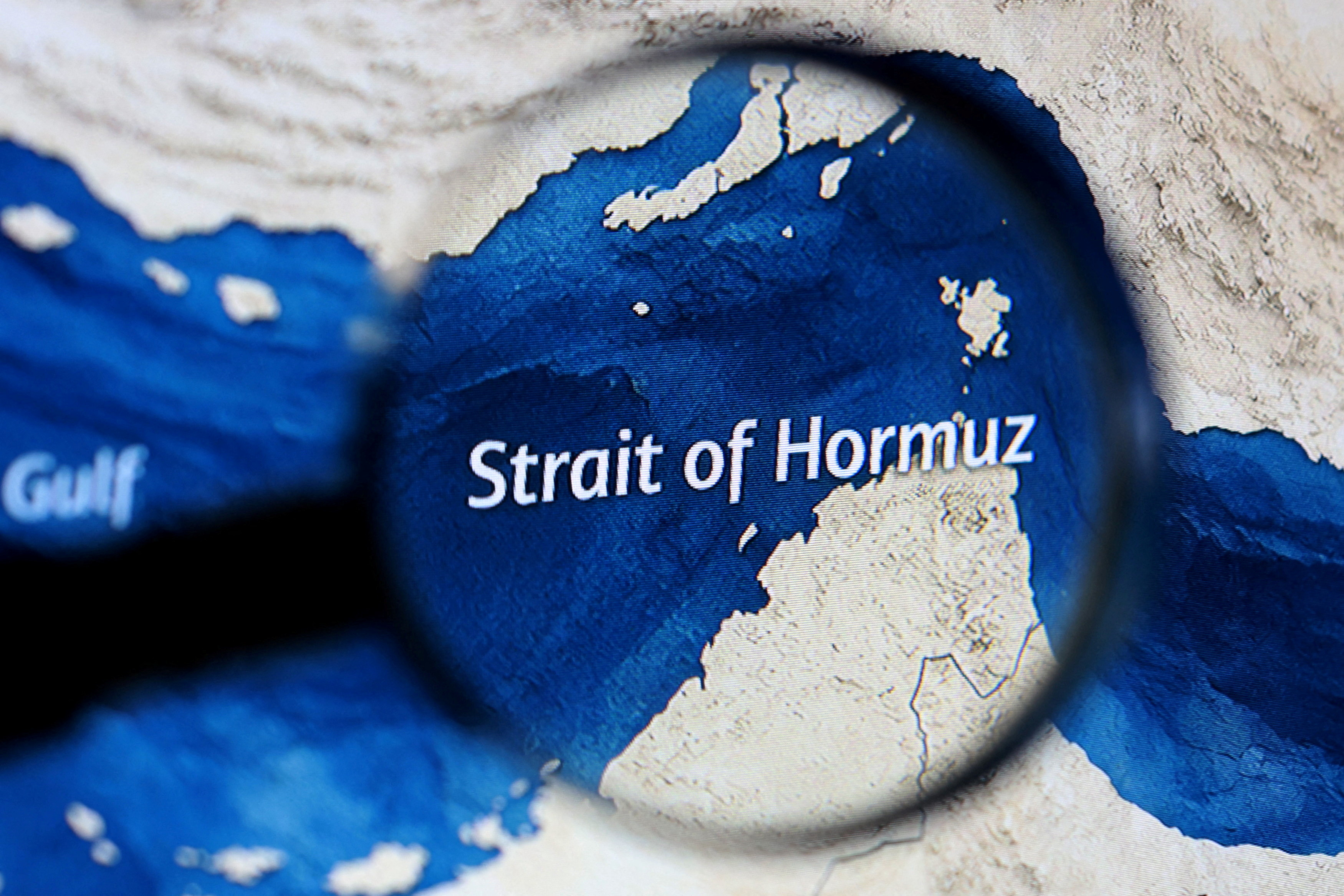
The Red Sea is not the only source of concern. The Strait of Hormuz, another critical passage for global trade and energy flows, is also being closely watched, given its importance to oil markets. The IEA says around 20 million barrels per day of crude oil and oil products were shipped through Hormuz in 2025, representing about 25 per cent of the world’s seaborne oil trade.
According to Drosos, the Strait of Hormuz is “also critical to global trade, not least because of its importance for energy”. As a result, simultaneous instability in the Red Sea and Hormuz creates “an environment of double pressure”, affecting both container and product flows through Suez and energy flows from the Persian Gulf.
At the same time, the threat of Somali piracy remains active in the Gulf of Aden and the Somali Basin, provided weather conditions allow operations with mother ships and smaller vessels. Gard reported in May that the International Maritime Bureau had recorded six incidents so far in 2026 that may be linked to Somali piracy groups, including cases in the Somali Basin and the Gulf of Aden.
This, Drosos mentioned, “adds another layer of risk to the same wider maritime area”.
As a result, shipping is now facing what he described as “a multi-threat environment”, involving state actions, parastate actors, drone and missile attacks, potential piracy and increased maritime crime in other critical passages, including the Strait of Singapore.
For shipping companies, the question is no longer whether a vessel can technically pass through a route. It is whether it can do so at an acceptable level of risk.
That decision involves the crew, the ship, the cargo, insurance cover, commercial obligations and reputation. It also affects customers waiting for products, industries relying on raw materials and markets that depend on stable shipping flows.
The International Maritime Organisation (IMO) has repeatedly condemned attacks against international shipping in the Red Sea area, saying seafarer safety is paramount. In such conditions, information and risk assessment are no longer secondary considerations.





Click here to change your cookie preferences