
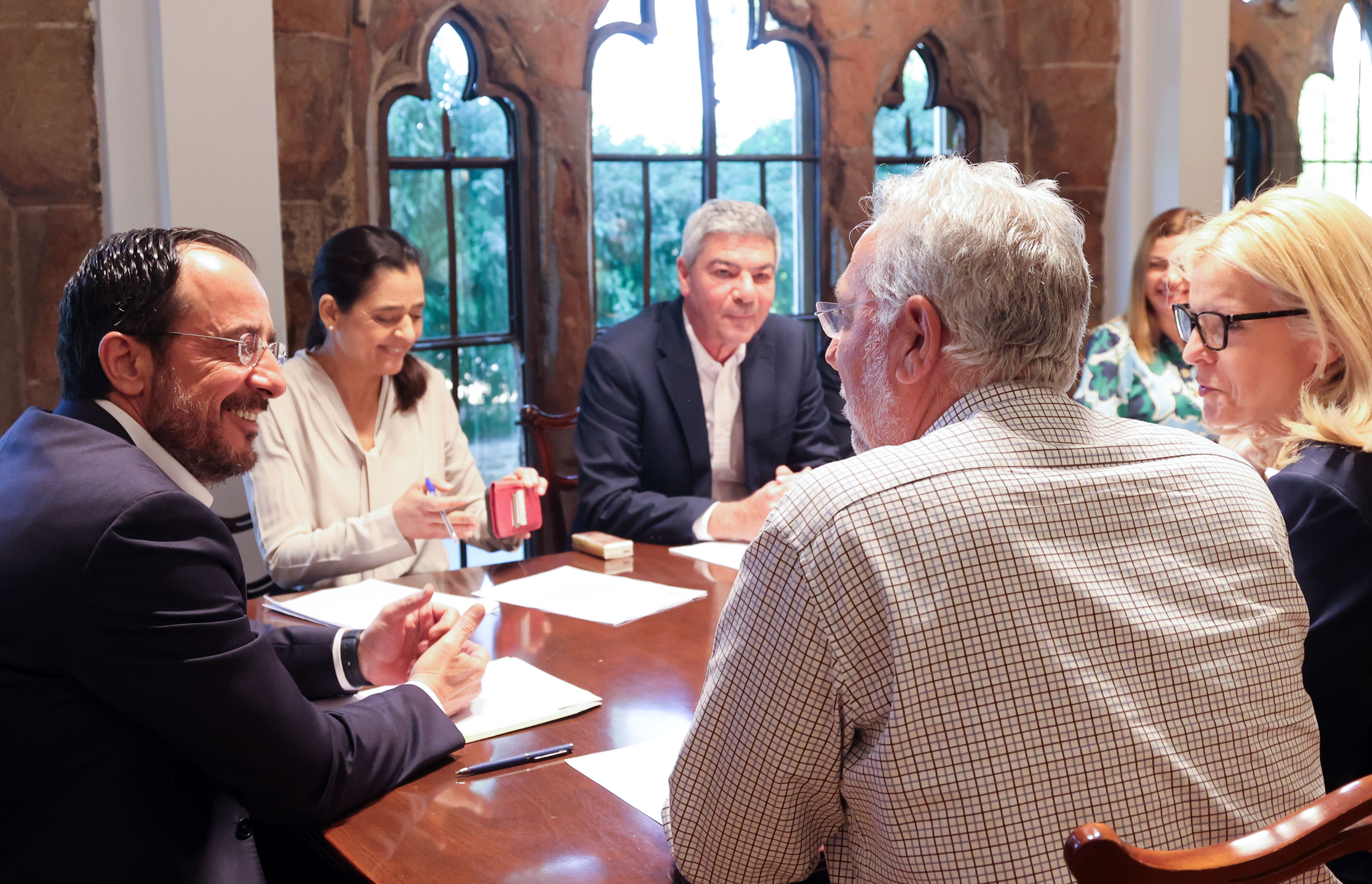
Disability benefits are set to increase across the board under new legislation expected to be unveiled by the government in the coming days, representatives of disability, patient and elderly advocacy groups said on Monday after meeting President Nikos Christodoulides.
The proposed law will provide higher benefits for both existing and new beneficiaries across different categories of disability, while eligibility will no longer be tied to income criteria, according to representatives of the organisations.
Speaking after the meeting at the presidential palace, Cyprus Confederation of Disability Organisations (Kysoa) president Themis Anthopoulou said the legislation would mark the first substantial revision of disability support in decades.
She said many benefits had remained unchanged for around 20 years, and described the forthcoming increases as significant, although the exact amounts have yet to be announced.
According to Anthopoulou, the reform will also expand eligibility to people with severe disabilities and moderate intellectual disabilities who were previously excluded from state support because they did not meet the income criteria linked to the minimum guaranteed income scheme.
This will benefit those with autism, multiple sclerosis and other disabilities who until now could only access support if they qualified under income-based welfare rules.
The organisations said the new framework follows legislation approved in April, which decoupled disability benefits from the minimum guaranteed income system.
Cyprus Federation of Patients’ Associations (Osak) president Charalambos Papadopoulos said all existing disability-related allowances would receive increases, including some that would not otherwise have been adjusted under the new legal framework.
He welcomed what he described as the president’s continued engagement with disability and patient issues, adding that discussions had also covered additional policy proposals that could be developed in the coming months.
Representatives of the organisations said a follow-up meeting with the president has already been scheduled for the autumn.
The meeting also addressed issues affecting older people, including long-term care, ageing at home and the prevention of elder abuse.
Observatory of the Third Age president Demos Antoniou said discussions focused on improving support for elderly people and promoting dignified ageing, particularly as Monday marked World Elder Abuse Awareness Day.
Advocacy groups also raised concerns about the burden carried by informal carers, many of whom leave employment to care for family members and receive little support or recognition.
While welcoming the planned increases, the organisations said further reforms would still be needed to bring Cyprus closer to disability support standards seen elsewhere in Europe.
Anthopoulou noted that Cyprus remains among the lowest-ranking EU countries in terms of disability-related benefits, but said the planned increases represented an important first step after years of stagnant support.





Click here to change your cookie preferences