
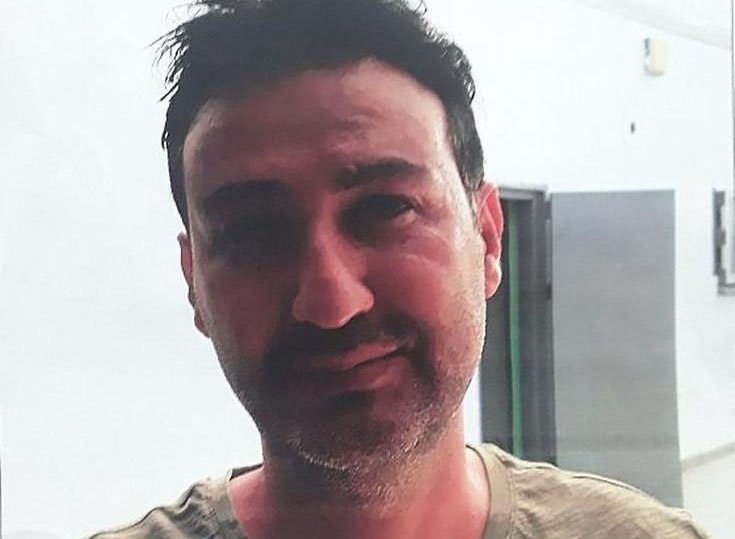
The prosecution and the defence squabbled on Thursday on the admissibility of phone communications as evidence in the ongoing trial of Giorgos ‘Zavrantonas’ Christodoulou.
Christodoulou is on trial before Nicosia criminal court, facing charges of importing 15kg of cocaine with intent to sell.
In 2022 he had been found guilty of possession with intent to sell, with the court then sentencing him to 22 years in jail. But in May of this year an appeals court declared a mistrial, ordering the case to be re-tried from scratch.
Thursday’s hearing focused on authorities’ handling of the mobile phones belonging to Yiannis Andreou.
Andreou had initially been arrested and sentenced as well. He was later granted a pardon and has turned witness for the state.
Testifying on the stand was an officer of the drug squad who was the case investigator. He described the police’s actions following the arrest of Andreou as well as the subsequent investigation.
Andreou has admitted to being an accomplice, naming defendant Christodoulou as the mastermind behind the drugs smuggling. He cannot now legally implicate himself.
According to the witness, who had deposed Christodoulou, the latter denied any involvement in the case and claimed he had no contact with Andreou.
Answering questions from the prosecutor, the officer acknowledged a series of evidentiary items relating to mobile phones seized during the investigations.
The hearing turned heated when lead prosecutor Vasilis Bissas attempted to submit as evidence a court order concerning access to private communications.
The defendant’s attorney objected, claiming the order was being notified at an advanced stage of the trial proceedings – which he said would adversely affect his client’s right to a fair trial.
Responding, the prosecution said the defence had been made aware of the order early on.
Having heard both sides, the court overruled the objection, allowing the order to be submitted as evidence.
The defence then raised another objection, when prosecutors presented a document prepared by the witness. The document recorded phone calls and text messages between Christodoulou and Andreou.
According to the defence, the document does not constitute primary evidence, but rather a summary drafted the officer. As such, its contents could be taken out of context.
Primary evidence is first-hand, original material or data.
The court allowed the document to be submitted.
Continuing his testimony, the witness referred to correspondence with Dutch authorities, after Cypriot police requested information about Christodoulou’s stay in the Netherlands – from where the defendant allegedly smuggled the narcotics.
The trial continues on Friday.





Click here to change your cookie preferences