
Cyprus’ trade office in the Gulf has moved to place the island’s exporters within a wider European conversation on food security, resilient supply chains and predictable access to one of the region’s most closely watched markets.
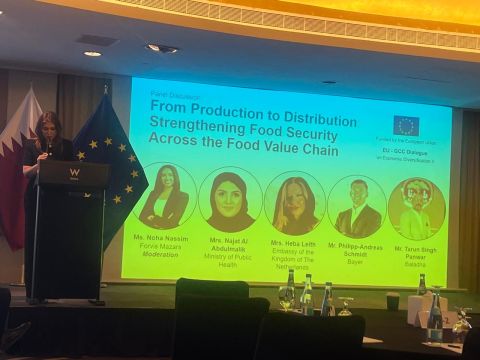
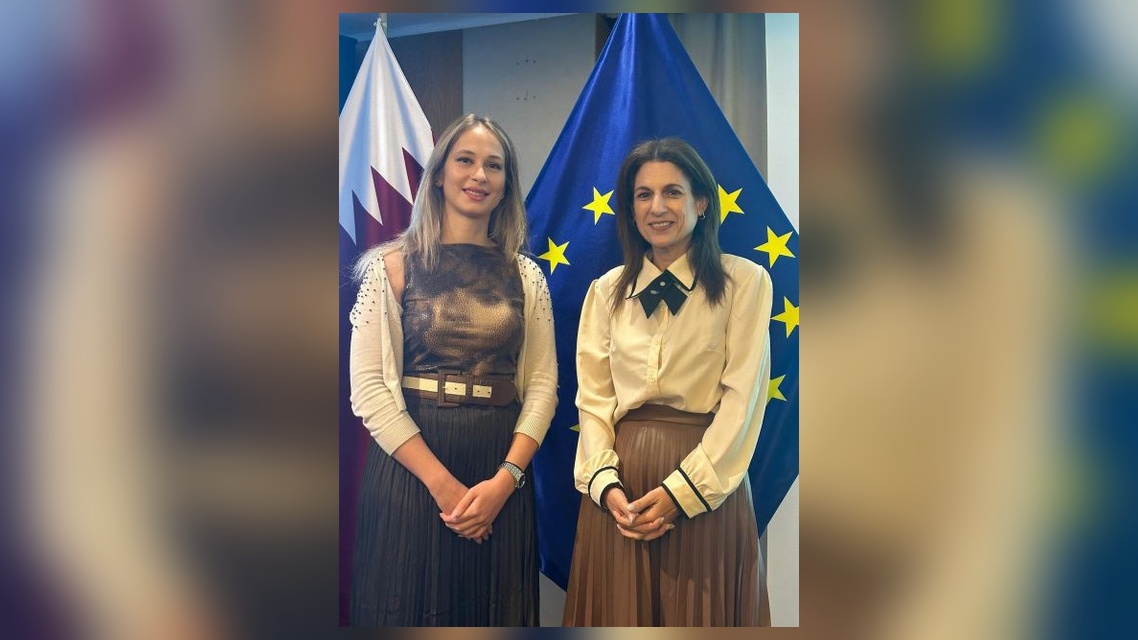
Despo Chrysostomou, representing the Cyprus Trade Centre in the GCC Region, took part in the EU–Qatar Dialogue on Safe and Resilient Food Trade in Doha this week, joining representatives from the European Union, Qatari authorities, the private sector and industry experts.
The dialogue focused on food security, food-safety systems, resilient supply chains and international trade, while also looking at how European food and agricultural exports can secure stable market access through transparent import procedures and internationally recognised sanitary and phytosanitary standards, according to Qatar News Agency.
For Cyprus, the event was not simply another diplomatic engagement. The Cyprus Trade Centre in Dubai, which operates under the Ministry of Energy, Commerce and Industry and the Embassy of Cyprus in the UAE, covers the UAE, Kuwait, Qatar, Saudi Arabia, Oman and Bahrain.
Its role includes promoting Cypriot products and services, supporting local businesses in foreign markets and helping identify trade and investment opportunities across the region.
That makes Qatar a market of growing interest, particularly as Doha continues to reshape its food-security model around local production, strategic reserves and diversified supply routes.
Qatar Chamber board member Mohammed bin Ahmed Al Obaidly told the dialogue that Qatar’s food-security experience had moved beyond theory and had been tested through successive crises.
He said that “the country was seeking to become a global hub for food security and food technology, with stronger partnerships with the EU in agriculture, supply chains, food safety and modern technologies.”
The Gulf Times also reported that the Doha discussion covered Qatar’s efforts to build public-private partnerships, strengthen logistics capabilities and use digital transformation and artificial intelligence to improve efficiency in food trade.
This is where the EU angle becomes important for smaller exporters, including those from Cyprus. The European Commission’s food-safety framework is built around risk-based import controls, traceability, official certificates and border checks, with imported food and feed expected to meet the same high safety, quality and traceability standards as products made inside the EU.
Digital systems are also becoming central to that framework. The Commission’s TRACES platform supports animal and plant health certification for imports, intra-EU trade and certain EU exports, while helping authorities and businesses manage official documents and trace goods through the agri-food chain.
At the same time, the EU’s Rapid Alert System for Food and Feed allows food-safety authorities to exchange information quickly when risks emerge, with the aim of enabling rapid recalls or other measures before products can cause harm.
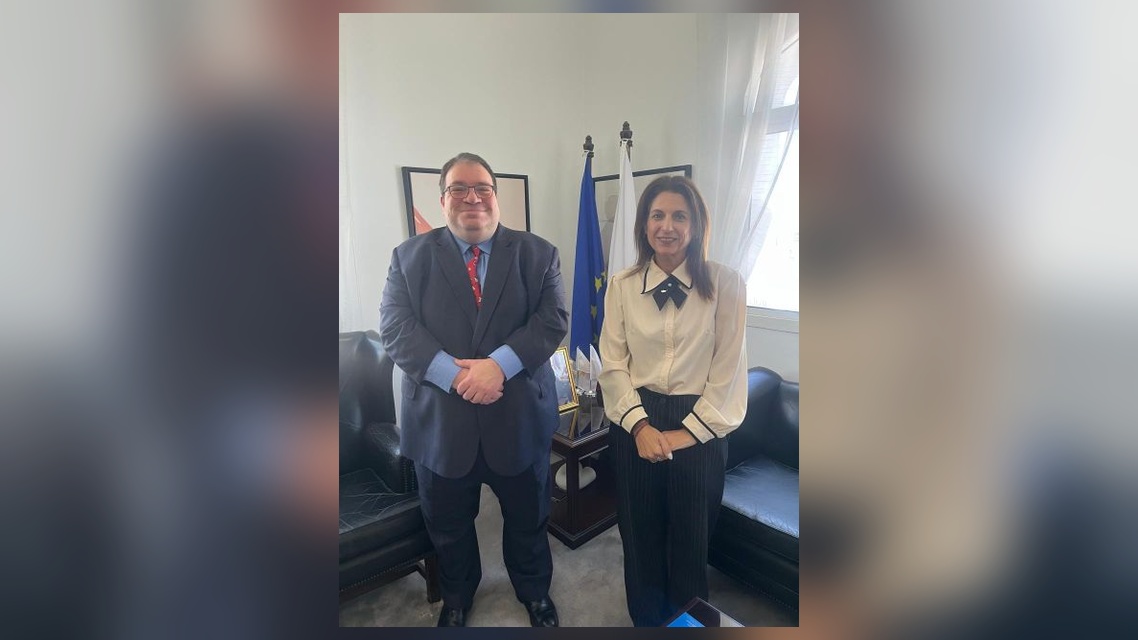
Following the dialogue, Chrysostomou visited the Embassy of the Republic of Cyprus in Doha, where she met Cyprus’ Ambassador to Qatar, Andreas Nikolaides.
The meeting focused on further strengthening cooperation between Cyprus and Qatar, particularly in trade, investment, food and agricultural products, business partnerships and economic diplomacy.




Click here to change your cookie preferences