
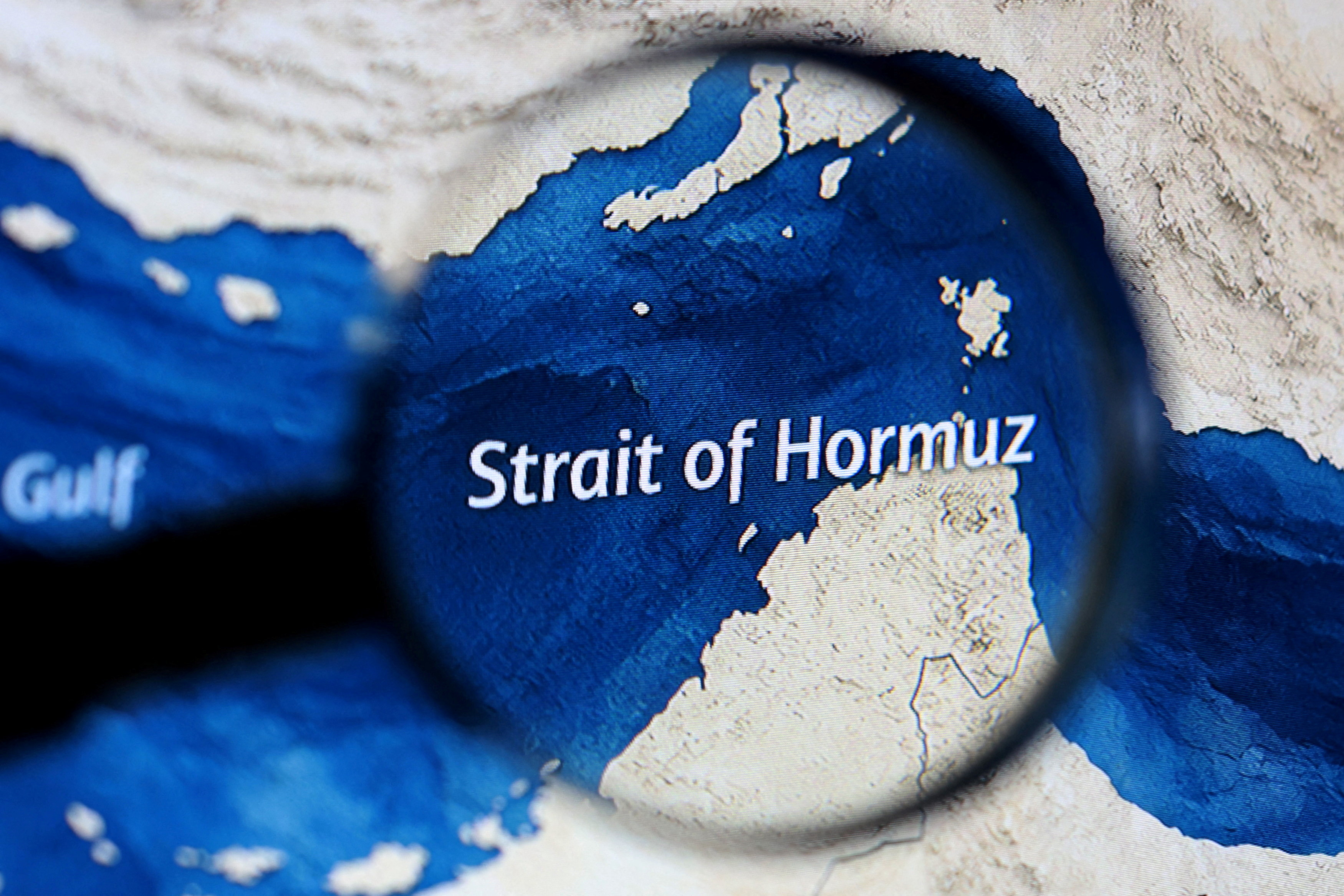
The International Maritime Organisation (IMO) and Oman have opened temporary sea lanes through the Strait of Hormuz as part of a controlled plan to move stranded commercial ships and more than 11,000 seafarers out of the Persian Gulf.
The operation follows the signing of a Memorandum of Understanding (MoU) between Iran and the US, after months of disruption to one of the world’s most important shipping routes.
According to the IMO plan, the evacuation will be carried out in cooperation with Iran, Oman, other coastal states in the region, the United States and the maritime industry.
The scale of the task, however, means shipping will not return to normal immediately.
In a navigation warning dated June 23, Oman’s National Hydrographic Office said the existing Traffic Separation Scheme, which normally guides vessels through the strait, is not safe for use under current conditions.
As a result, two temporary routes may be used by ships leaving the Gulf, one south of the existing traffic scheme and one to the north.
The Omani notice sets out detailed instructions only for the southern route, including waiting areas, coordinates, communication protocols and the requirement for vessels to contact the relevant coastal state before proceeding.
No equivalent details have yet been issued for the northern route. Maritime security advisers have interpreted this as an indication that the northern passage will require separate coordination, with Iranian authorities expected to provide further instructions.
Until then, communications are expected to continue through existing regional security channels.
The process itself will be gradual. Ships will be contacted individually and assigned a transit day, rather than being allowed to leave at once. They will then proceed to a designated waiting area in international waters before receiving further instructions from the coastal state responsible for the route they are using.
Oman’s notice also makes clear that vessels must keep AIS switched on, use LRIT where applicable, and follow all VHF instructions from coastal authorities.
This matters because the main risk now is not only security, but also congestion. With a large number of vessels waiting to move through a narrow waterway, an uncontrolled departure could create fresh dangers, including collision risks and interference with naval operations.
For that reason, the warning states that vessel traffic may be temporarily suspended for safety or security reasons.
IMO Secretary-General Arsenio Dominguez said the organisation had secured the necessary safety guarantees and verified the conditions needed to support the evacuation.
He also paid tribute to the 14 seafarers who lost their lives during the conflict, saying their service to global trade would not be forgotten.
The development marks an important step for shipping, but it is still a managed evacuation rather than a full reopening of the Strait of Hormuz.
That distinction is important. The strait remains a critical energy route, carrying a major share of global oil and LNG trade, but the latest measures show that authorities are prioritising control over speed.
For shipowners and masters, the responsibility has not been removed either. Oman’s notice says each shipowner and master must still carry out an independent risk assessment before sailing.
In practice, this means the first ships may begin moving, but the wider return to normal traffic through Hormuz is likely to take time. For now, the priority is clear. Move crews and vessels out safely, avoid fresh incidents, and keep one of the global trade’s most sensitive maritime corridors from sliding back into crisis.




Click here to change your cookie preferences