
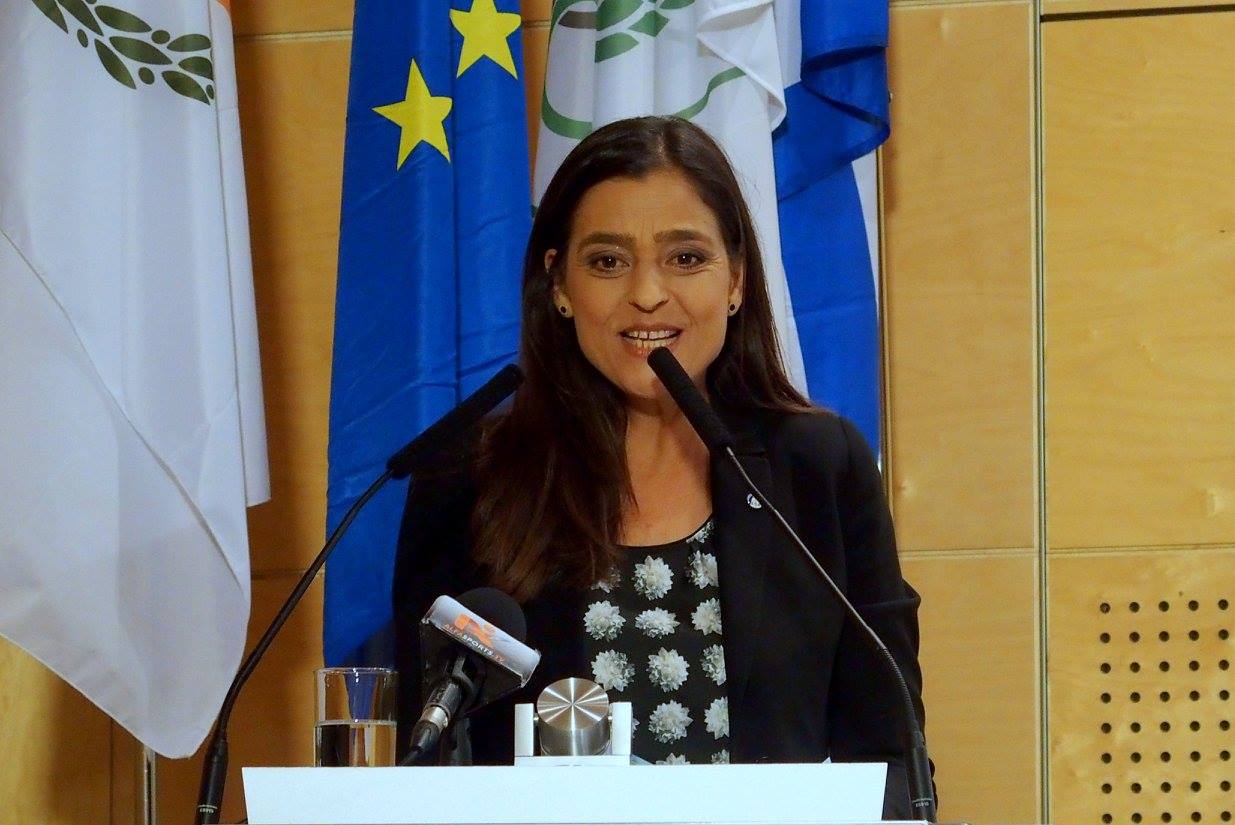
Weaknesses in the administration of welfare benefits, including insufficient checks, delayed interventions and staffing shortages, came under scrutiny on Thursday as the House audit committee examined a special Audit Office report on the deputy ministry of social welfare.
Deputy Social Welfare Minister Clea Hadjistefanou-Papaellina and senior officials defended the ministry’s performance, arguing that many of the shortcomings identified had already been addressed through reforms, digitalisation and stronger controls.
Presenting the Audit Office’s compliance review covering the 2022-23 period, Marina Drakou said the Welfare Benefits Management Service paid €411 million in benefits to around 103,000 beneficiaries in 2023.
This included €194 million in guaranteed minimum income (GMI) payments to 19,500 beneficiaries, €88 million to 24,000 low-income pensioners, €79 million in child benefits to 59,000 recipients and €38 million in single-parent benefits to around 11,000 families.
Auditors examined 225 transactions, including 182 involving the welfare benefits service, and identified weaknesses in 70 cases, representing 38 per cent of the sample.
Auditors examined 225 transactions, including 182 involving the welfare benefits service, and identified weaknesses in 70 cases, representing 38 per cent of the sample.
Auditors also identified limited checks on applicants’ overseas assets and bank deposits, while some benefits continued to be paid using outdated information.
The report also found cases of low-income pension payments continuing after the death of a household member, insufficient income verification and failures to update information on pensions received from abroad.
For child and single-parent benefits, auditors identified payments made before applications had been submitted or assessed, inadequate checks on applicants’ income and assets and failures to verify family circumstances.
Drakou said effective social policy depends on reliable information systems, meaningful data cross-checking, timely reassessment of beneficiaries, improved coordination between public services and stronger social intervention mechanisms.
Responding to the findings, Papaellina said social policy could not be judged solely by statistics and that the ministry must also respond sensitively to the needs of vulnerable people within the framework of the law.
She said the Welfare Benefits Management Service currently administers GMI payments for around 17,500 families, low-income pension benefits for 29,000 people and child benefits for more than 50,000 families.
She acknowledged that staffing losses between 2022 and 2025 had reduced the service’s capacity to carry out checks but said significant improvements had already been introduced.
According to the deputy minister, application processing times have been reduced to up to 90 days, with a target of cutting this to 60 days.
Property ownership is now verified automatically through the land registry, electronic banking information is already being received, and discussions are under way to expand electronic access to banking data.
She also pointed to the modernisation of the ministry’s IT systems, the development of artificial intelligence tools to improve application processing and a request to the finance ministry for 38 permanent posts, alongside proposals to establish an internal audit unit.
Deputy ministry director-general Yiannis Nikolaides argued that the Audit Office’s findings reflected the situation during the period under review rather than current conditions, saying most of the issues highlighted had already been identified internally and addressed.
Head of the Welfare Benefits Management Service Yiannis Vasileiadis said staffing levels had fallen by 20 per cent since 2022 but that efforts were continuing to reduce processing times.
He added that eight customer service centres now assist applicants across the island, while a special activation team has referred hundreds of GMI beneficiaries to employment services, language courses and entrepreneurship programmes.
He also highlighted two major digital transformation projects currently under way: merging all welfare benefit databases into a single system and developing an artificial intelligence tool to accelerate and improve the processing of digital applications.
The committee is expected to revisit the issue in early September.





Click here to change your cookie preferences