
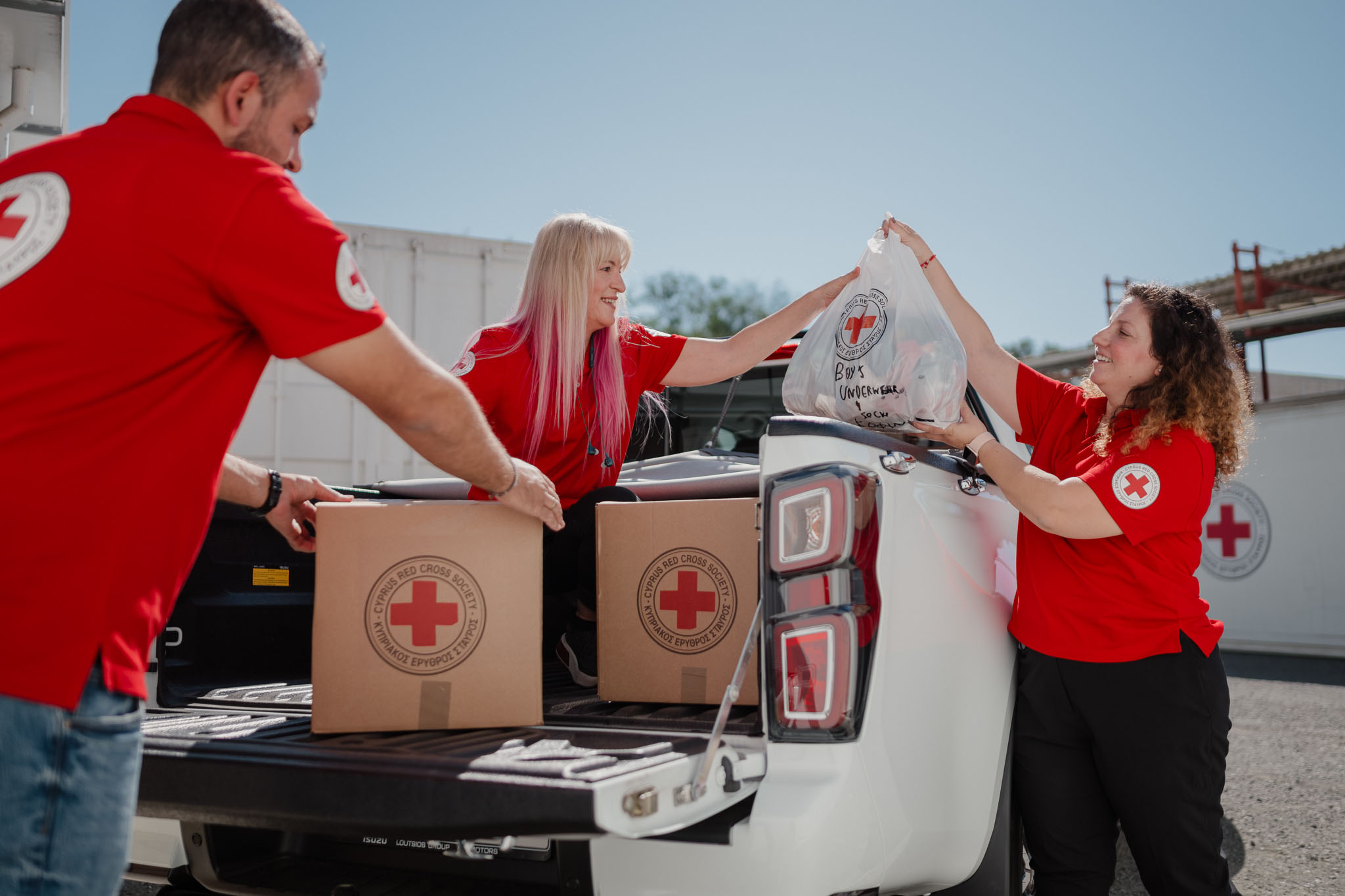
The Cyprus Red Cross on Monday urged the public to donate clean, usable items as it highlighted the year-round effort behind distributing essential goods to people facing financial and social hardship.
In a statement, the organisation said humanitarian assistance through the collection of clothing, food and other essential items remains one of its longest-running and most important activities.
Behind every donation, it said, is a carefully organised process supported largely by volunteers, from receiving and sorting items to preparing and distributing them with dignity to those in need.
While clothing donations are often the most visible part of the initiative, the Red Cross said it collects a much wider range of essential goods.
Collection points across all district branches accept non-perishable food such as pasta, rice, legumes, canned goods, cereals, cooking oil and coffee, as well as personal hygiene products including soap, shampoo, toothpaste, toothbrushes, baby nappies and adult incontinence products.
The organisation also accepts clothing and footwear, bedding, baby formula and food, school supplies, children’s books and toys, hospital beds and mobility aids such as wheelchairs, walking sticks and crutches.
Kitchenware, furniture, electrical appliances, children’s equipment and bicycles are also accepted by prior arrangement.
The Red Cross stressed that the success of the programme depends on the condition of donated items, as each one must be inspected, sorted and prepared for immediate use.
For that reason, it urged members of the public to donate only clean, functional items in very good condition.
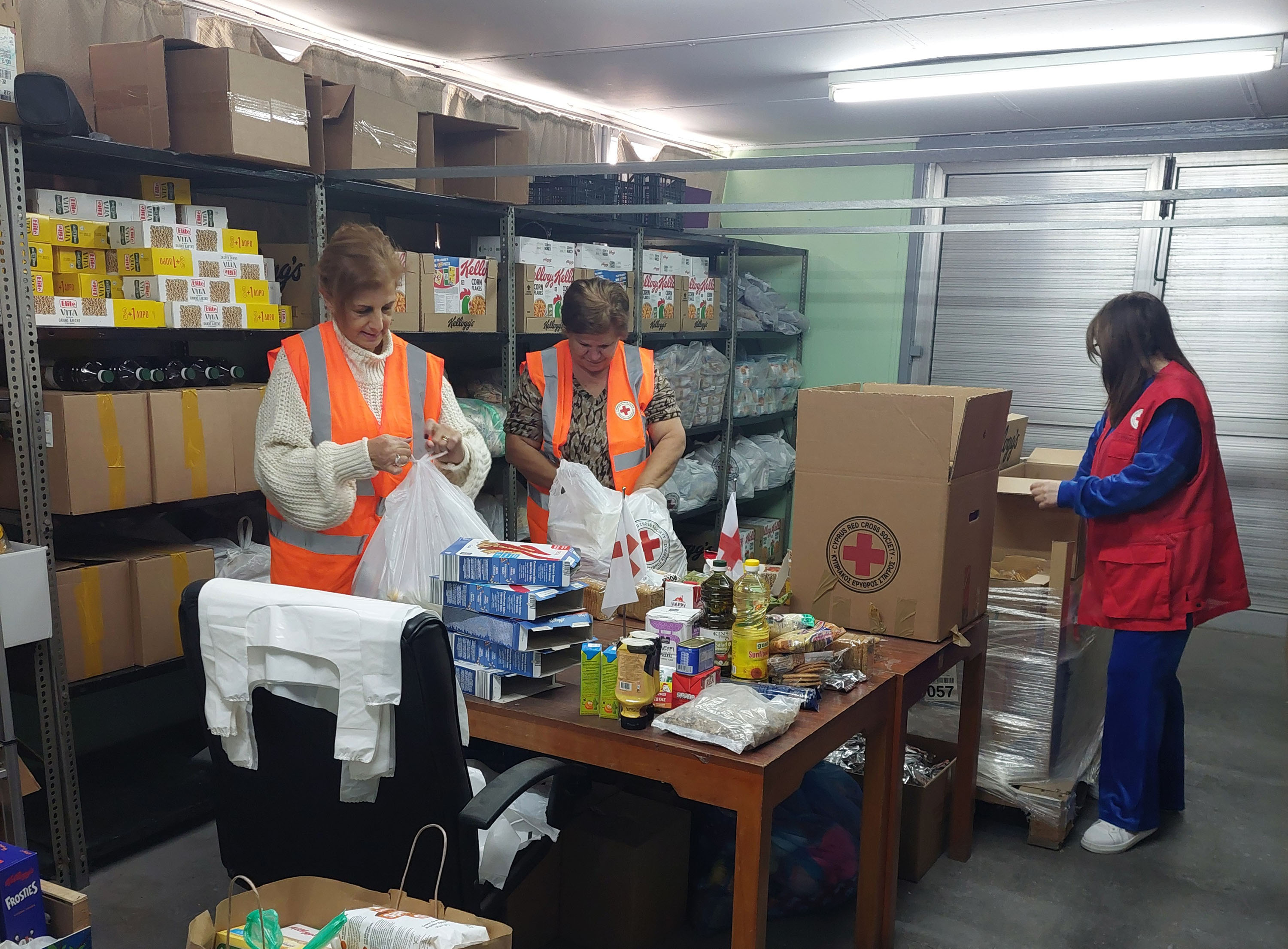
Clothing should be new or in excellent condition, washed and separated into men’s, women’s and children’s items, as well as summer and winter clothing. Bedding, footwear and other household goods should also be in good condition and ready for immediate use.
Nicosia branch coordinator Demetris Fylaktou said the public’s willingness to donate has always been one of the organisation’s greatest strengths.
“For an item to have real value, it must be suitable for immediate use and able to meet the specific needs of the people we support every day,” he said.
“At the same time, our volunteers dedicate countless hours to receiving, sorting and preparing every donation. When items are delivered according to our guidelines, we can respond more quickly and effectively to the requests we receive. With the cooperation of the public, every donation can become a genuine act of kindness.”
The Red Cross said its volunteers remain the driving force behind the programme, ensuring donations reach those who need them most.
Donations are accepted throughout the year during opening hours at district branches, while the organisation’s purple recycling bins are intended exclusively for clothing collections.
It added that anyone wishing to donate specialist equipment or bulky items should contact their local branch in advance to confirm whether the donation can be accepted. Branches reserve the right to refuse items that do not meet the required standards or where storage capacity has been reached.
The organisation said the collection of essential goods is carried out throughout the year and remains a cornerstone of its humanitarian work.




Click here to change your cookie preferences