
The government defended the role of the advisory council on Saturday as criticism continued over the appointment of boards to semi government organisations, with deputy government spokesman Yiannis Antoniou describing attacks on the body as “unfair”.
Antoniou said the council was created as part of a new system intended to improve transparency and merit in public appointments, while acknowledging that the system had “problems” and “weaknesses”.
Speaking on CyBC, he said the government was nevertheless no longer operating under the previous system, when appointments were based primarily on “the party origin of each person”.
“Criticism is unfair,” Antoniou said, arguing that the new process sought to give people from across the political spectrum the opportunity to serve.
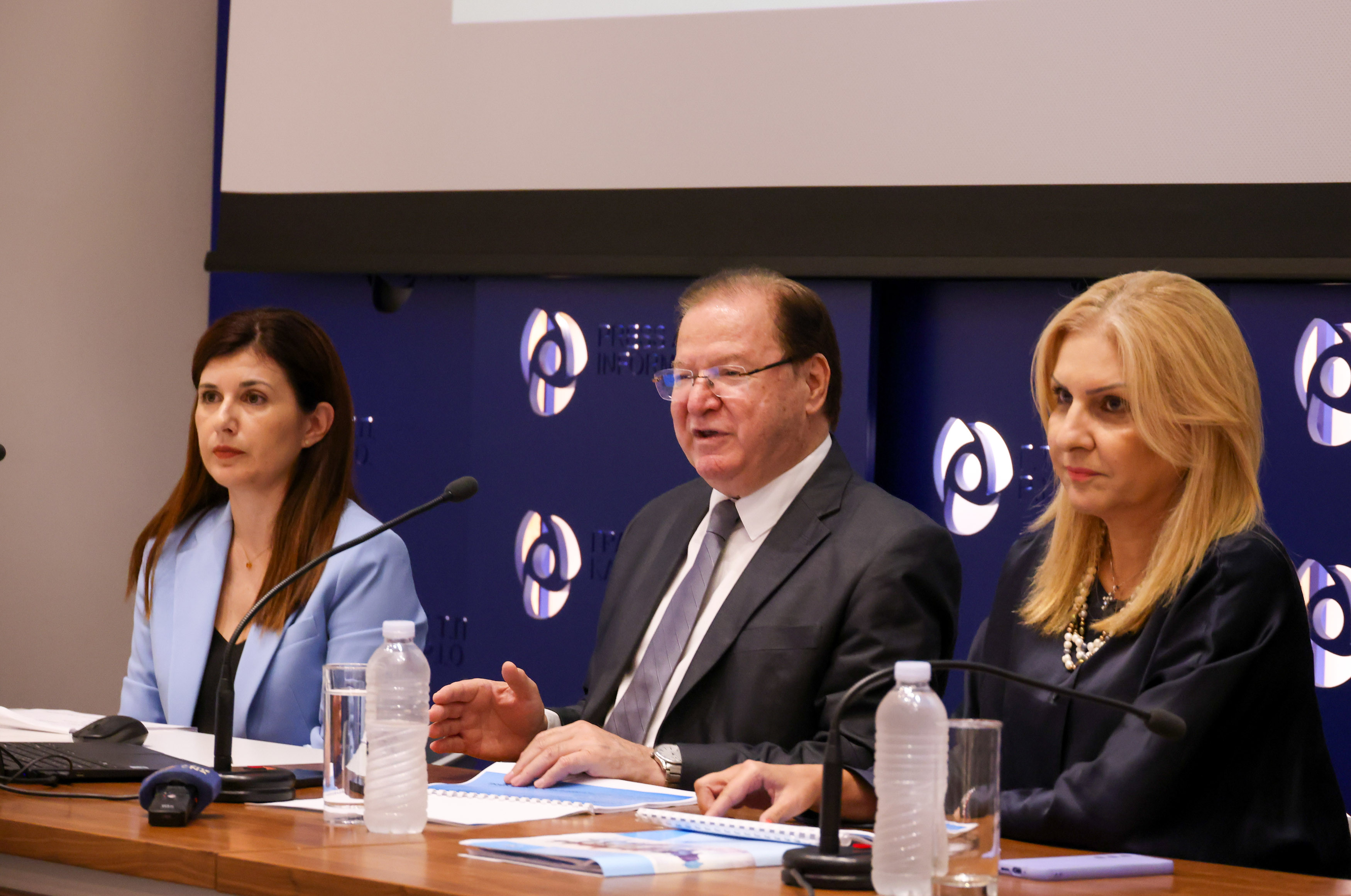
The advisory council’s chairman Giorgos Aresti said the cabinet had adopted most of the council’s recommendations following its assessment of applicants.
The council, he said, evaluated applications and prepared lists of three candidates for each position before submitting them to the relevant minister.
“Our role is purely advisory. In no way can we influence the final decision of the cabinet,” Aresti insisted.
His comments came after Akel accused the advisory council of being bypassed in the appointment of members to semi-government boards and called for the process to be explained publicly.
In a direct attack on President Nikos Christodoulides, the party accused his government of having “surpassed even the previous administration in cronyism and patronage”.
The issue has been registered with the House institutions committee following claims that some 21 individuals appointed to boards had not even submitted applications to the advisory council.
Committee chairman and Disy MP Demetris Demetriou said the matter concerned “the issue that arose at Cyta and the information regarding appointments of individuals without applying”.
Akel has claimed that, if confirmed, such appointments would mean the council had been “completely annulled” and used as an “alibi” for predetermined appointments.
The party called on Christodoulides and council members to explain how the appointments were made, while criticising the exclusion of the left from the latest boards, arguing that previous governments had allowed opposition parties even limited representation.
The controversy intensified after the government agreed to replace a newly appointed Cyta board member – Loizos Economides – following concerns over a possible conflict of interest.
Economides is a retired senior Cyta executive whose wife remains employed by the organisation.
The company worker’s union (Aset) also said he serves on the management committee of the staff pension and benefits fund and had been vice president of the staff union and a member of its negotiating team when he applied for the board.
Antoniou said the relationship with Cyta had not been declared during the appointment process and that the omission created a potential conflict of interest.
The cabinet appointed around 85 members to the boards of 11 semi state organisations and public bodies on Thursday, including the EAC, Cyta, CyBC, Thok, the University of Cyprus and Tepak.
Pavlos Pavlou was appointed chairman of CyBC, Maria Tsiakka was reappointed as Cyta chairwoman and Loizos Loizou was appointed chairman of the EAC.
The appointments have also exposed tensions within the governing coalition, with Diko emerging as the main beneficiary while coalition partners Dipa and Edek have expressed dissatisfaction over their representation.
Diko is understood to have secured most of its preferred nominees following consultations between coalition parties ahead of the appointments.
Dipa is reported to have secured representation on boards including Cyta, Thoc, CyBC, the symphony orchestra as well as the licensing authority, but party officials have expressed disappointment over the overall outcome.
Edek is likewise also reported to have expected greater representation following the recent cabinet reshuffle.
The appointments have further fuelled discussion over Diko’s influence in the energy sector, with the party holding senior positions across the energy ministry, the natural gas corporation, the energy regulatory authority as well as the electricity authority (EAC).




Click here to change your cookie preferences