
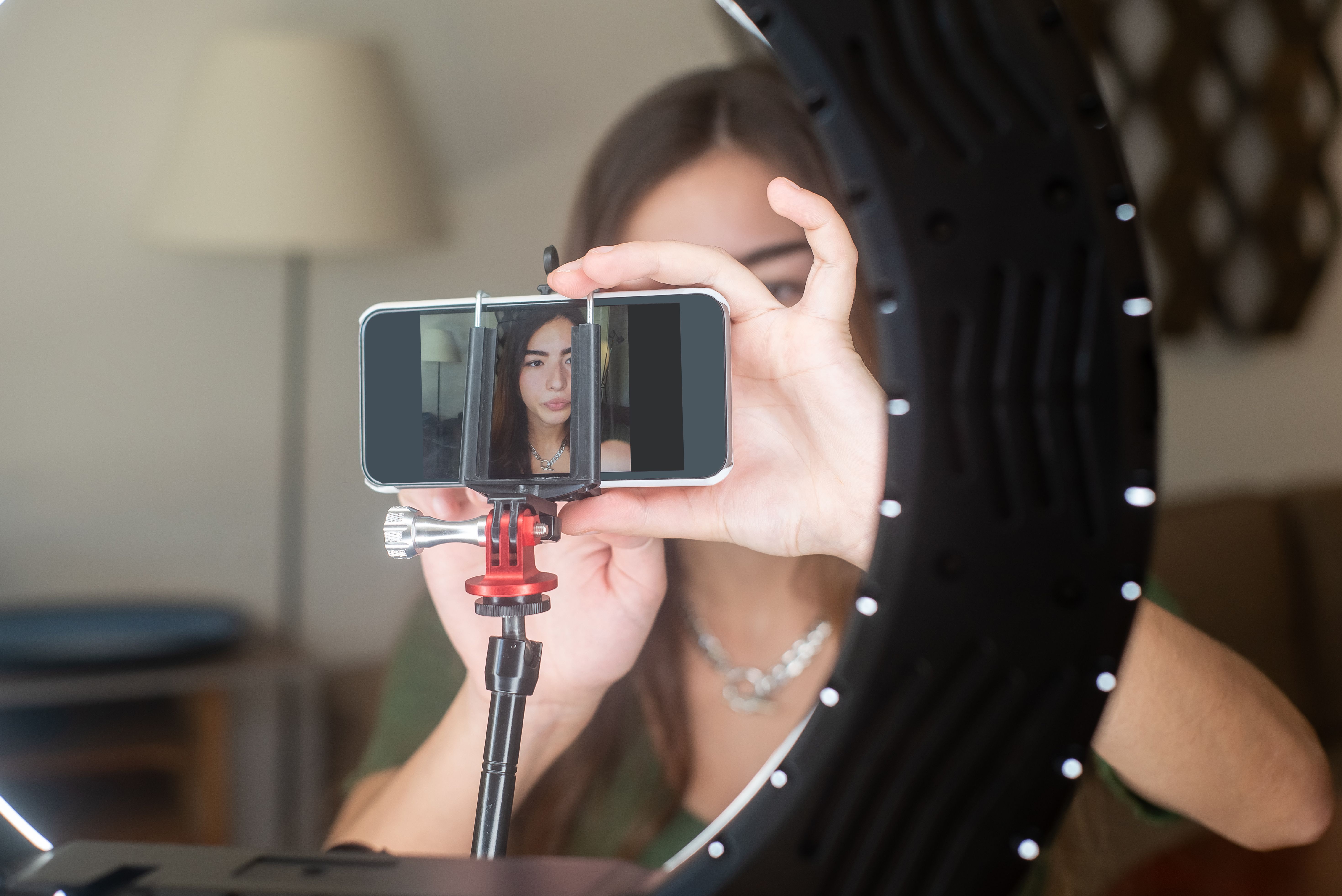
The luxury lifestyles presented by some of Cyprus’ best-known social media personalities have proved far less impressive once tax officials looked beyond their carefully curated photographs.
Audits of people with a strong online presence uncovered cases of well-known figures displaying wealth without having corresponding income or bank deposits.
Instead of revealing hidden fortunes in every case, the checks exposed a different discrepancy. Some of the personalities under review were not concealing the wealth shown on their accounts because, in financial terms, much of that wealth did not exist.
Their apparent prosperity was largely confined to the photographs and videos they posted, emphasising the distance between the lifestyle presented on social media and the reality behind it.
However, the absence of a fortune does not necessarily remove every tax question. Officials are also examining whether products, trips, accommodation, services or other benefits appearing in posts were provided in exchange for promotion.
The campaign was expanded in May 2026 to include television personalities, media figures and others with a strong commercial presence on Instagram, Facebook, TikTok and YouTube. Those checks cover payments received both in cash and through benefits in kind, which are compared with income tax and VAT declarations.
As reported in earlier coverage, the Tax Department collects publicly available photographs, videos and other online material to assess whether visible spending is consistent with declared turnover, profits and income.
Tax Commissioner Sotiris Markides said that, by combining information from several sources, the department had “an almost holistic picture of the tax value of each taxpayer”, allowing it to prioritise cases considered to carry a higher risk of non-compliance.
Individuals whose apparent spending substantially exceeds their declared income can be called in to provide explanations, receipts and other supporting documents. Those unable to justify discrepancies may face additional tax assessments, fines and checks on their bank accounts.
The department’s powers were strengthened further by the 2026 tax reform, which took effect on January 1.
Under the new framework, the Tax Commissioner can request statements covering a taxpayer’s assets and liabilities for up to six years and obtain tax-related information from banks. Cyprus tax residents aged between 25 and 70 must also submit an annual tax return regardless of their income.
The reform is particularly relevant to content creators because their earnings can arrive through several different routes, including advertising payments, platform subscriptions, affiliate links, product sales, appearance fees and free services.
Creators operating through Cyprus companies are also subject to the new 15 per cent corporate income tax rate, up from 12.5 per cent at the beginning of the year.
At the same time, the authorities are no longer relying solely on what appears in a social-media feed. Under the EU’s DAC7 framework, digital platforms report identifying and financial information about EU-based sellers annually, including the total payments or other consideration credited to them.
This allows tax officials to match tax declarations with actual platform payments, rather than drawing conclusions only from poolside photographs, designer products or expensive cars appearing in posts.
Previous checks have shown that substantial undeclared digital income does exist. In a previous investigation, around 300 individuals and companies were identified as receiving income through OnlyFans and other platforms without declaring it.
One individual had earned approximately €500,000, while the investigation also extended to people selling products, arranging bookings or providing services through social media and online marketplaces.
The influencer audits now form part of a much wider compliance campaign. In July, tax officers began conducting nationwide checks at all hours, initially concentrating on coastal businesses because of increased summer activity.
Those inspections examine whether businesses issue legal invoices and receipts and allow customers to pay by card. By August 3, the Tax Department said in an official update that one in two businesses checked was failing to comply.
Meanwhile, the consumer protection service is conducting separate checks into hidden online advertising. Its parallel monitoring examined 3,631 posts from 32 influencers during 2025, resulting in 14 warning letters and one administrative fine.
A second round focusing on accounts popular with people aged between 18 and 25 produced another six warning letters, while a further investigation was already under way in 2026.
Despite the growing enforcement activity, Cyprus still has no separate tax category or comprehensive legal definition for influencers. The Finance Ministry previously said it could not provide the number operating or registered on the island because they are treated under existing taxpayer categories.
That gap has become increasingly important as Cyprus attracts more overseas content creators operating through advertising, online courses, subscriptions and paid consultations, according to a January analysis.
The latest audits therefore reveal two very different versions of Cyprus’ social-media economy. Some creators earn considerably more than they declare, while others present themselves as far wealthier than they really are. In both cases, the polished feed has become part of the authorities’ compliance picture.





Click here to change your cookie preferences