
By George Neocleous
For the past 15 years, the soundtrack of Limassol has been characterised by the rumbling of high-end luxury cars, foreign accents negotiating multi-million-euro property deals and the low, heavy rattling of construction cranes overhead.
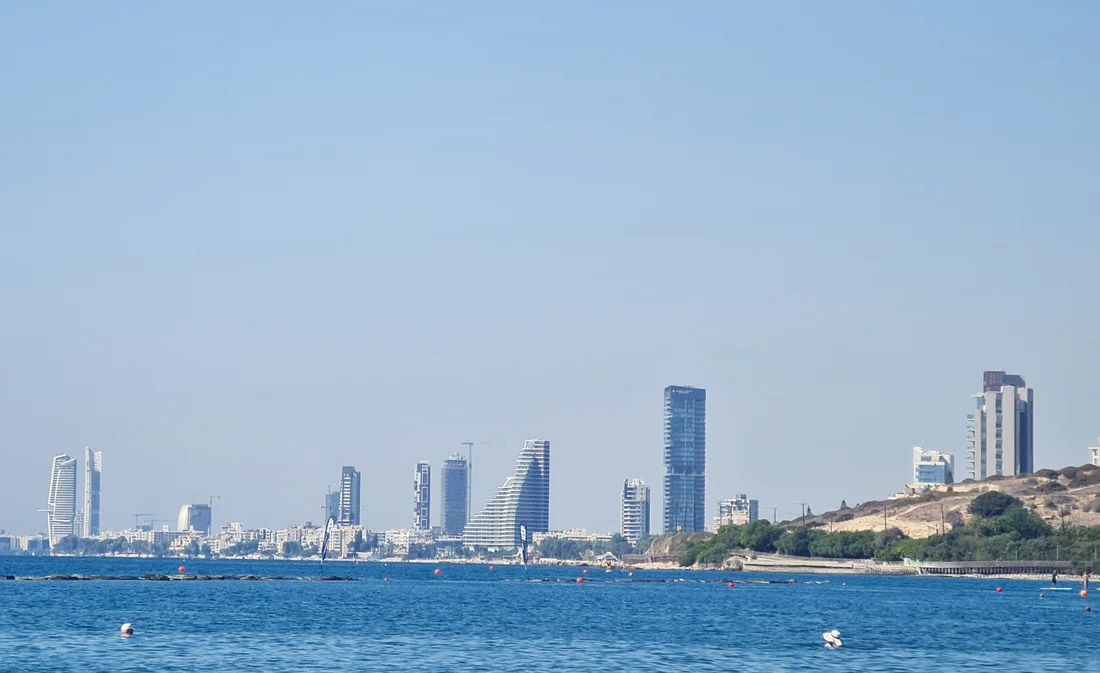
Look up, and futuristic glass-and-steel monoliths pierce a skyline that not too long ago was defined by the soft, human-scale contours of limestone, clay tile and ornamented balconies draped in bougainvillea.
By now, it’s clear that Limassol has become the poster child for a new kind of Cypriot modernity: a modernity fuelled by foreign direct investment, the remnants of golden passport scandals and an unquenchable thirst for performative opulence. But as this hyper-capitalised model spills over and begins to cast its long shadow towards Larnaca, Ayia Napa and even parts of the coastline beyond, we need to ask an uncomfortable question. Are we building vibrant futures for our cities or are we sleepwalking into the complete erasure of local urban identity?
“Limassolisation” can be an adjective for a rapid, capital-driven urban transformation that prioritises global investment consumption over local civic life. It happens when real estate speculation outpaces municipal governance, turning urban planning into a rampant scramble to service high-end investors rather than long-term residents.
We see it in the rapid proliferation of gated compounds, exclusive beach clubs that indirectly privatise coastal zones and sterile commercial strips that could just as easily belong to Dubai, Miami or Tel Aviv.
The distinct Mediterranean DNA of Cypriot coastal cities such as the corner kafeneio where generations gathered, the vibrant street life of old commercial quarters and the intimate charm of spontaneous community interaction is being systematically priced out, ‘upgraded’ or demolished and then remarketed as a lucrative investment opportunity.
When real estate values skyrocket under the weight of luxury high-rises, the economic fallout is immediate and unforgiving to the majority of existing residents. Independent bookstores, local family-run tavernas, cultural workshops and young creatives find themselves squeezed out of the urban centres they helped reactivate and make worthy of improvement.
In their place come international luxury franchises, high-end boutiques catering exclusively to transient foreign wealth, and empty investment apartments serving as strategic safety deposit boxes rather than homes. This creates a deeply fractured urban landscape as the city ceases to be a shared ‘home’ for its residents and instead becomes a gated playground divided between those who can afford the new cost of living and everyone else who is pushed further into the congested periphery.
Limassol can easily be seen as a success story for Cypriot urban property development. Yet, it should also be seen as a warning for Nicosia’s old town, the resort areas of Famagusta, Larnaca and the developing peri-urban coastline between Paphos, Limassol and Larnaca that may face a similar fate to Limassol, with all its opportunities and threats.
The good news is that the ‘Limassolisation’ wave is probably not an unalterable new reality. It is a policy and governance choice that other coastal hubs like Larnaca still have a narrow window to resist or reshape. In defiance to ‘Limassolisation’, Paphos seems to follow a different approach from Limassol by basing its strategy on a vibrant, walkable city centre and seafront with active public spaces that unapologetically emit their Mediterranean identity. To protect our regional identities and the livability of Cypriot cities, municipal authorities must reclaim their planning sovereignty and resist the temptation of rampant development. We need stricter zoning guardrails that mandate mixed-use developments, protect affordable housing stock, preserve vernacular architecture and safeguard public access to the coastline.
Urban development must serve as an anchor for community resilience, not a clearance sale for foreign capital. Otherwise, the city transforms from a vibrant human habitat into a speculative commodified firework that may indeed rise with impressive speed and exciting anticipation in the short term, yet burst into self-destructive nothingness once the explosion of opulence is over.
‘Limassolisation’ can evidently be an immensely profitable development model in the short term but once the growth peaks and the impetus slows down, the entire model is prone to collapse with an even more intense pace than it was built. This might be a factor of why malls in Nicosia have managed to decimate the commercial popularity of once mighty but now neglected and excessively overpriced Makarios avenue yet not the capital’s old town that seems to be revitalising and recovering from the ‘shock’ of abandonment since the end of the previous century.
Overall, our coastal cities possess a rich, layered Mediterranean heritage that should not be molded and altered to fit the ephemeral generic international investment trends. If we continue down the path of ‘Limassolisation’ and its subsequent homogenisation, we will lose much more than our sensitive skylines, we will lose the timeless island essence that gives Cypriot cities their authentic Mediterranean allure.





Click here to change your cookie preferences