
A family’s plea after years of fighting
The family of a quadriplegic Greek woman have decided to go public in pleading with the Cypriot government to release nearly €5 million awarded to them by the International Centre for Settlement of Investment Disputes (Icsid), a ruling that the government has so far refused to comply with.
In a massive class-action against the Republic litigated at the Washington court, the family of the disabled Greek woman were the only claimants to be awarded compensation, in a final decision issued in March this year.
Speaking out for the first time, the Greek family told us that they only want “what’s right” – the compensation awarded to them by the international court – so as to make sure their quadriplegic daughter can continue to be properly cared for.
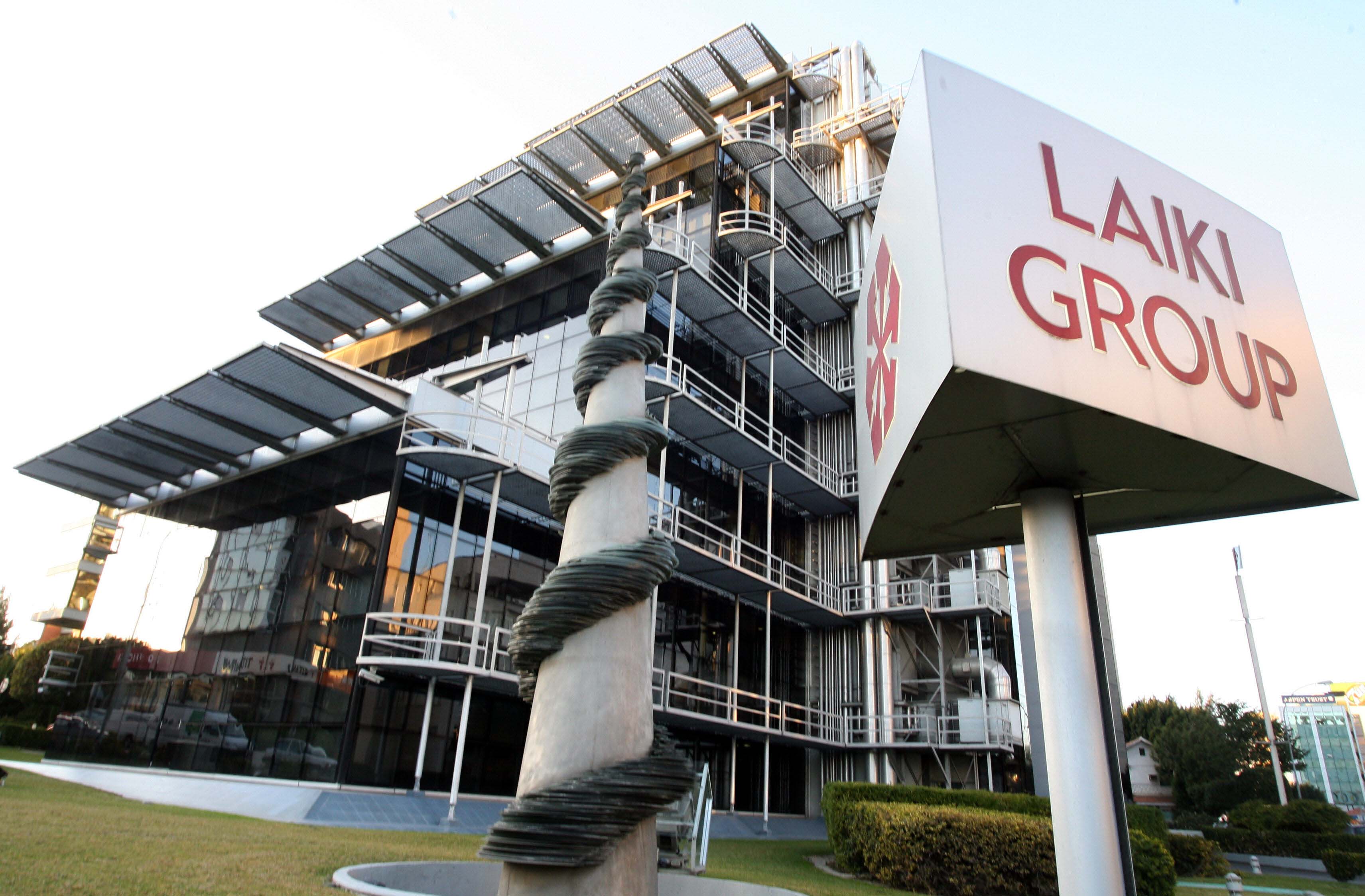
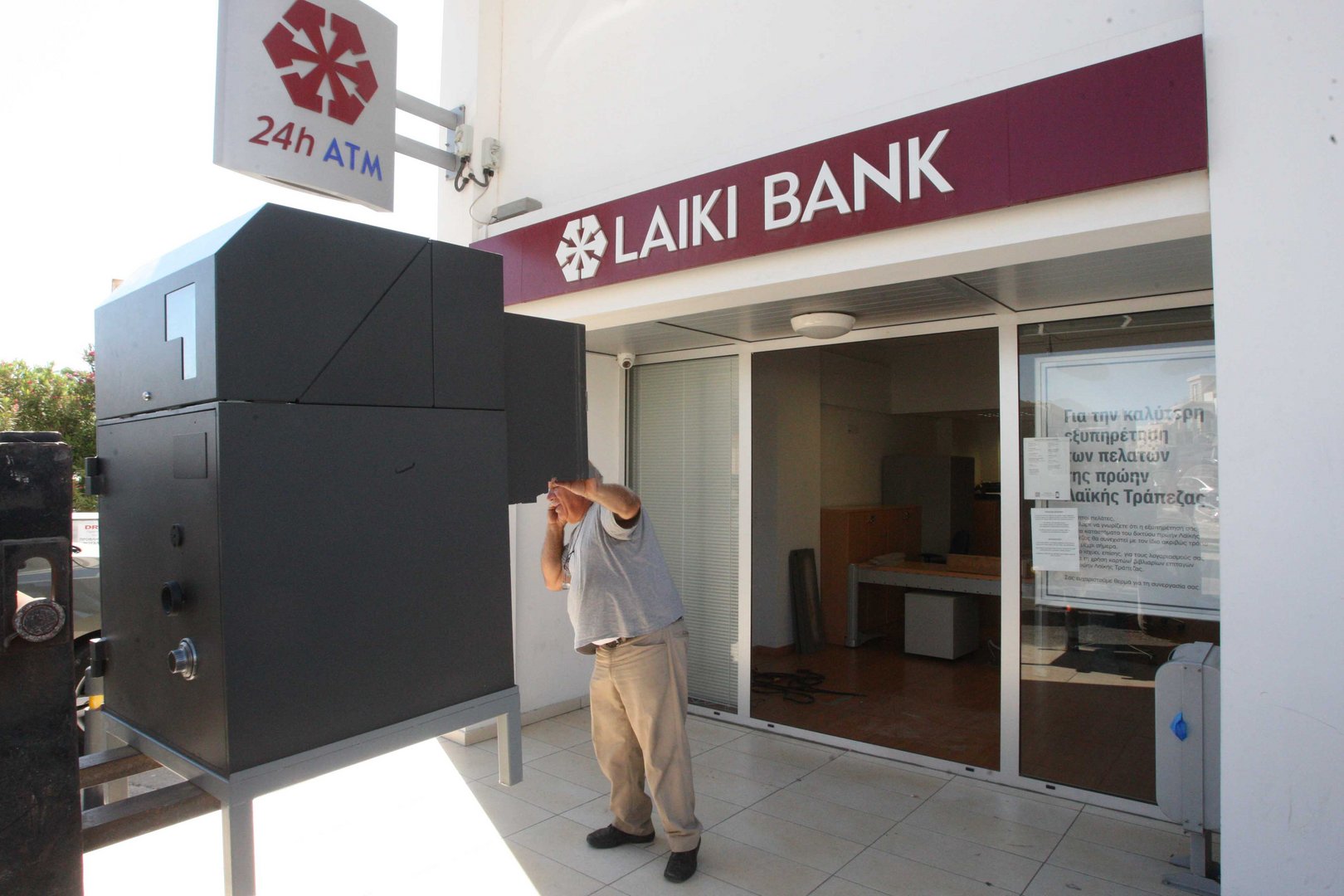
Titled ‘Adamakopoulos and others v. Cyprus’, and registered back in 2015, the investment dispute heard at Icsid was sparked by the Greek debt crisis and subsequent Cyprus banking collapse in 2013. Investors in legacy Laiki Bank and Bank of Cyprus alleged that their funds were illegally confiscated during the €10 billion bail-in of the Cypriot financial system.
The court rejected all the claims, which together amounted to $570 million (€492 million). It did however make an exception on humanitarian grounds for the Greek family’s claim.
Cyprus had in the past exempted charities from the bail-in, however it denied the same treatment to the family.
The court noted this explicitly in its decision:
“The reference by the Tribunal to the exemptions granted to charities as well as the treatment of tort victims was to show that Cyprus had recognised that there were certain categories of individuals who should be exempted from the consequences of the bail-in or reimbursed for losses they suffered as a result of the bail-in.
“The rationale for doing so included the social welfare benefits of charities and the humanitarian claim of those who suffered losses of funds the origin of which were compensation for injuries, whether from an explosion as in the case of the Mari victims or a plane crash as in the case of the Helios victims. That is to say, that Cyprus had recognised the need for relief from the bail-in measures on the basis of social welfare and humanitarian considerations. Its denial of fair and equitable treatment in respect of the Claimants was a consequence of failing to recognise that those Claimants had a similar humanitarian claim. On that basis, the failure of Cyprus to grant some form of relief from the bail-in measures applied to them was a denial of fair and equitable treatment.”
But in July 2026, four months after this ruling, Cyprus changed tack and filed a motion for partial annulment of the decision, in a bid to quash the Greek family’s claim as well. It did so by alleging that the Bilateral Investment Treaty between Greece and Cyprus, which dates from the early 1990s, was “inoperative” during the investment dispute.
Right now, the court’s bench is being reconstituted to hear Cyprus’ partial annulment motion. The new bench may from the outset dismiss the motion outright, or relitigate the part concerning the Greek family.
Which could take months.
“We’re making a public appeal to the president of Cyprus and the attorney-general – settle this now,” the disabled woman’s mother said.
“This affair has dragged on for too long, we’re all exhausted, we want this to end.”
The family, who wished to remain anonymous for privacy reasons (they are not named Adamakopoulos), pointed out that Cyprus essentially won the case, but is dragging its feet when it comes to them.
In the same March ruling, the Washington court had ordered the claimants to pay the respondents (Republic of Cyprus) around €5 million in legal fees.
“Cyprus won the jackpot here, and yet they refuse to pay up for what is, relatively speaking in the grand scheme of things, a cup of coffee,” another family member told the Cyprus Mail.
“They’re still fighting this, tooth and nail. They tried all sorts of loopholes – jurisdiction, the scope of compensation, you name it.”
The family had accounts in both Laiki and Bank of Cyprus. Altogether, they lost €2.8 million in the bank bail-in. The €5 million award includes that plus interest.
Their ordeal dates back to 1987, when their daughter – aged three at the time – was admitted to a Sydney hospital for a routine adenoidectomy. The doctors decided to perform a tonsillectomy as well. But due to complications during the medical procedure, the girl suffered a heart attack and permanent, irreversible brain damage.
“She’s unable to take care of herself, can’t brush her teeth on her own, can’t prepare her own meals, not even stand up on her own, requiring round-the-clock care,” said the family.
The father and mother are the primary caregivers. They keep incurring medical costs whenever the daughter suffers minor accidents, like falls.
The family spent ten years fighting the battle in Australian courts. Eventually they won the medical negligence case and were awarded damages. They then formed a company where they put the compensation and to employ caregivers and medical staff when required.
In 1998, the family moved to Greece on a permanent basis. They then faced another uphill battle trying to repatriate their daughter’s estate to Greece.
“Other than her disability, our daughter is actually in good health – she’ll live a long life. Which means she’ll need special care for decades to come. She’s a person with special needs, and the Cyprus attorney-general needs to look at this with compassion.”
Earlier this month, the family wrote directly to President Nikos Christodoulides and attorney-general George Savvides.
The letter, a copy of which the Cyprus Mail has seen, is dated August 9.
It begins: “Your Excellency, dear Mr Attorney-general; We are the parents of [redacted] and write to you in connection with the international arbitration against the predecessor government of Cyprus. I know your Excellency has nothing to do with the actions for which [former] President Anastasiades is responsible and we want to call on you to please stop the continuous heartless treatment Cyprus keeps giving our family and which has led the Icsid tribunal to conclude that the Republic has violated its obligations under international law.”
It goes on: “Cyprus’ failure to accept its conviction and pay a relatively small amount to a unfortunate quadriplegic woman is no advertisement for Cyprus and your recent annulment attempt is cruel and heartless.”
And the letter ends: “This appeal also comes from [daughter’s name redacted]. It is her future, her livelihood. She has been fighting to protect everything that she owns for years, please place yourself in her position.”
We attempted to contact the AG’s office for a comment, but could not reach the media person in time for this report.
As for the family, their frustration grows as they sense pettiness on the part of the Cyprus government.
The Cyprus Mail has learned, for example, that after the arbitration court awarded compensation, it urged the two sides to try and come to an amicable settlement.
During negotiations between lawyers on both sides, the Cyprus government made two offers, which the family considered nowhere near sufficient.
The Cypriot side then walked out of the negotiations.
Informally, the attorney-general’s side has conveyed to the family that it understands their hardship.
“But it feels like lip service, since they just won’t pay,” remarked the disabled woman’s brother.
The mother added: “This could have been settled confidentially, quietly, out of court. But the AG has chosen to double down. And so we decided to go public.”



Click here to change your cookie preferences