
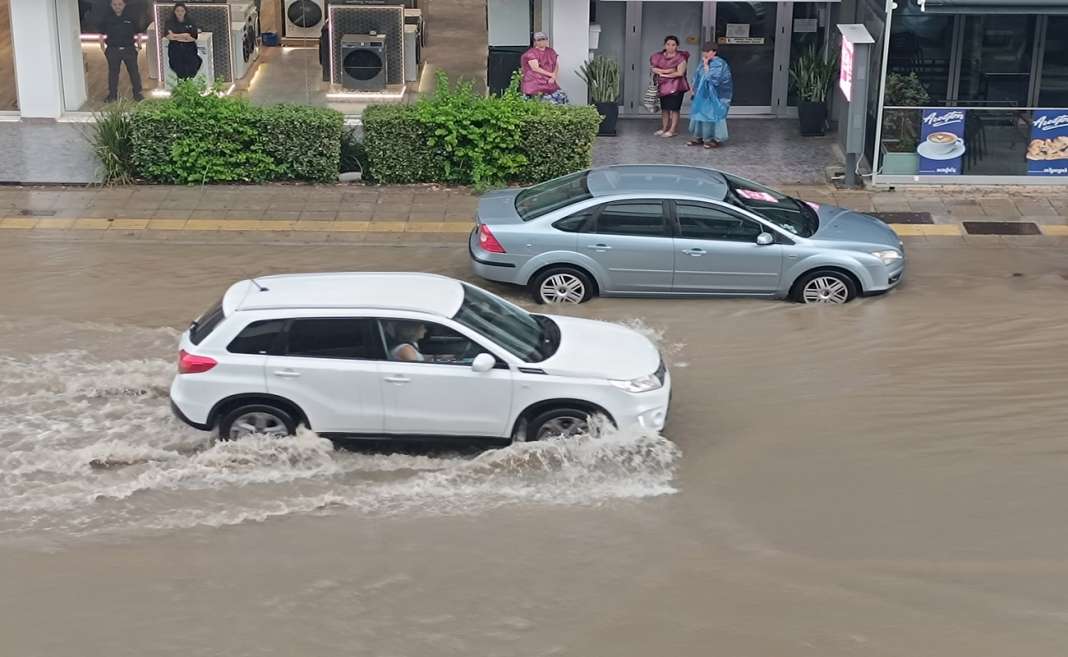
The cabinet on Wednesday approved financial assistance for people affected by the extreme weather which struck Cyprus on August 29, with uninsured homeowners eligible for up to €20,000 for structural damage.
Interior Minister Constantinos Ioannou said after the cabinet meeting that the government had agreed on the criteria for ex-gratia payments, as district administrations continue to record and assess damage across the island.
Under the scheme, uninsured owner-occupied permanent homes will receive 80 per cent of the assessed structural damage, up to €20,000. Damage to household equipment will be covered at its assessed value, up to €15,000.
Uninsured photovoltaic systems at owner-occupied permanent homes will be eligible for 80 per cent of the assessed damage, capped at €7,000.
For uninsured business premises, assistance will cover 70 per cent of the assessed structural damage, up to €30,000, while equipment damage will be covered at its assessed value up to €10,000.
Uninsured vehicles will be eligible for 75 per cent of the assessed damage, capped at €5,000 per vehicle, provided they have a valid road tax, third-party insurance and MOT, or have been legally declared off the road.
Properties, businesses and vehicles which are insured will be eligible for assistance equal to the assessed damage up to the amount of the insurance excess, Ioannou said.
He stressed that financial assistance would only be provided for buildings with a permit from the competent authority and for permanent, licensed structures.
The overall cost of the scheme has not yet been determined as assessments are continuing.
Ioannou said the severe weather caused extensive material damage to homes, businesses, agricultural and livestock facilities, vehicles and photovoltaic systems.
Most reports have come from the Nicosia district, where preliminary figures show damage to 183 homes.
In Larnaca, damage has so far been recorded at 12 homes, one livestock facility and two vehicles, while in Paphos 12 homes and one business premises were affected.
Eleven homes have been recorded as damaged in Limassol, while in Famagusta damage was reported to two homes and one church.
Meanwhile agriculture department crews are currently carrying out preliminary assessments in affected areas of Paphos, with damage reported to greenhouses, vegetables, vineyards and avocado crops.
Senior agricultural insurance officer at the department’s Paphos district office Costas Neophytou told the Cyprus News Agency that the reports received so far concern the areas of Lysos, Argaka, Pomos, Gialia, Statos-Ayios Fotios and Panayia.
Officials are visiting affected properties to determine whether the damage qualifies for compensation.
If the relevant criteria are met, an announcement will be issued allowing eligible farmers to formally declare their losses. Detailed assessments will then be carried out before findings are issued and compensation payments can proceed.
Neophytou described this year’s extreme weather as unprecedented in terms of the extent of the damage.
While hail has previously been recorded during the summer months, usually once every two or three years, “this year the damage was extensive”, he said.
Affected farmers were urged to contact their local agriculture department offices to report damage.
In Limassol, district officer Michalis Michael said that no serious damage had initially been reported over the weekend, with the exception of a livestock building in Kantou where part of the roof was torn off.
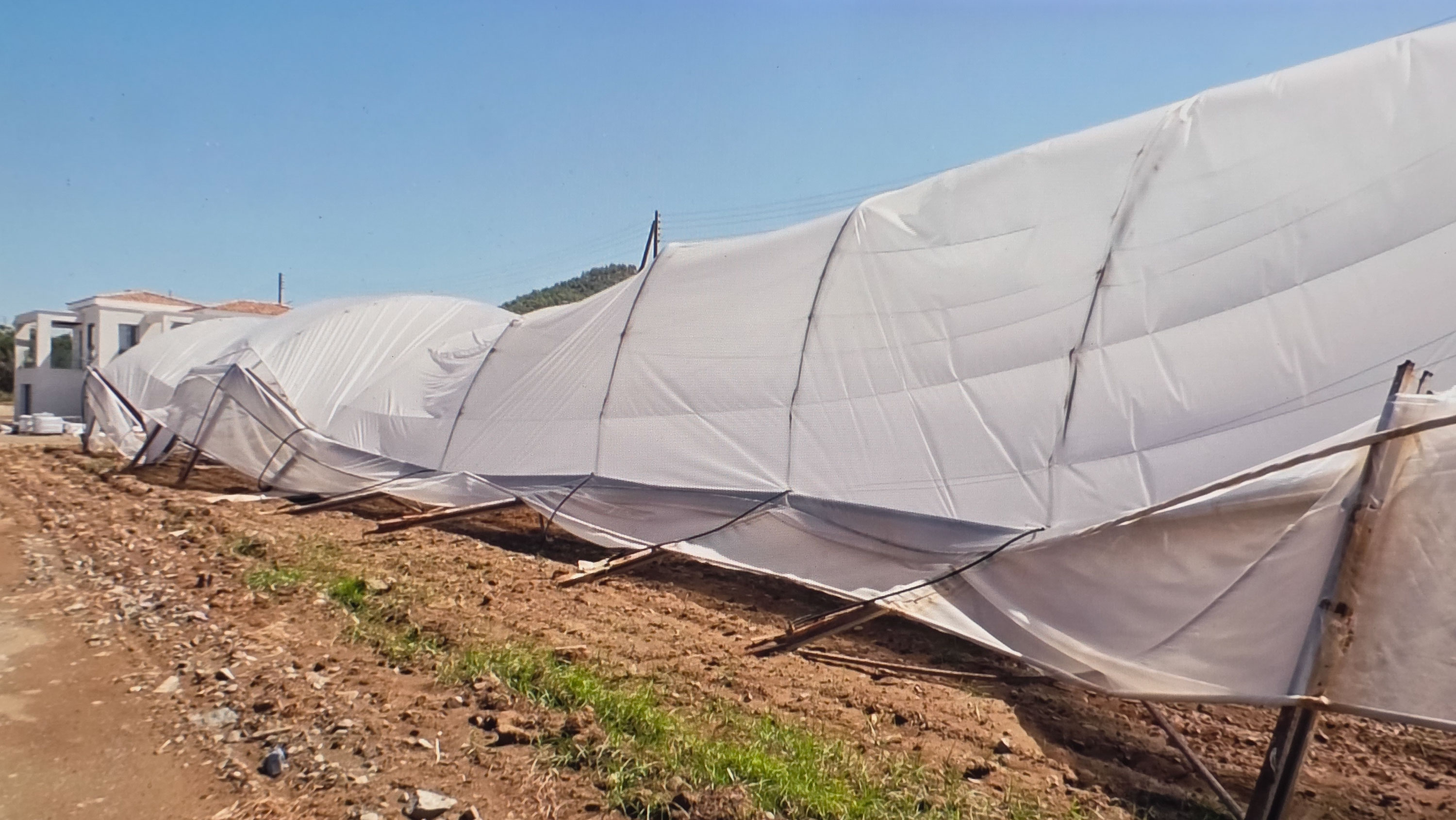
Larnaca district officer Odysseas Hadjistefanou said so far reports had been received from Pervolia, Kiti, Athienou, Kalo Chorio and Livadia. Damage was reported to homes, water tanks and photovoltaic systems, while in one case a tower supporting a water tank collapsed. Problems were also recorded at a livestock farm in Athienou, with the case referred to the agriculture department.
The deadline for residents to report damage is September 7, while cases involving vehicles are being referred to the electrical and mechanical services department.
Authorities said the number of reported cases could rise as assessments continue.
Officials are continuing inspections and preparing damage assessment reports, which are expected to be sent to the interior ministry on September 8.
Separately, asked about recent drownings and concerns over lifeguard numbers, the Interior Minister said staffing difficulties were linked to a shortage of qualified lifeguards and reluctance among some potential recruits because of employment conditions.
He said a decision had been taken four months ago for the Human Resource Development Authority to take over the criteria and examinations for qualified lifeguards, with the new arrangement expected to begin at the start of next year.
The government also decided last week to abolish unfilled three-, four- and six-month lifeguard positions and create more eight-month positions, for which there was greater interest.
Ioannou added that beach staffing decisions are taken by the central beaches committee, which includes municipalities and government officials, rather than by the central government alone.





Click here to change your cookie preferences