
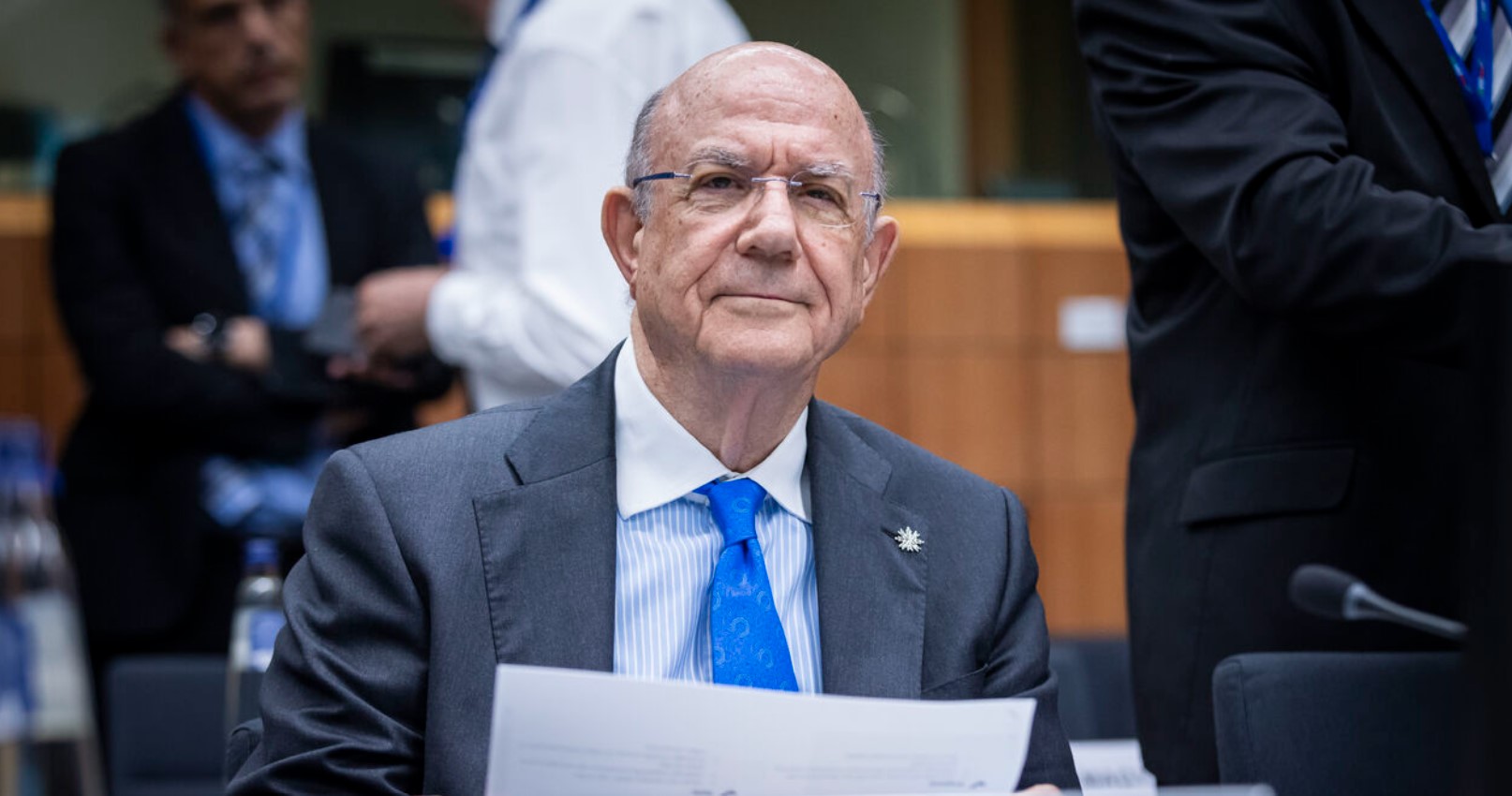
Finance Minister Makis Keravnos may have laughed at the suggestion by the Diko leader that he should resign over his oft-expressed opposition to the Great Sea Interconnector project but Nicolas Papadopoulos had a point. Keravnos has always maintained that GSI was unviable, would cost more than the budgeted amount and could seriously affect public finances.
At one stage he publicly fell out with the energy minister at the time, George Papanastasiou, who had publicly supported the project. Keravnos cited studies carried out by the Cyprus energy regulator as well as a due diligence study carried out by a US firm that estimated its profitability would be inadequate.
The finance minister repeated these arguments at a House committee meeting two weeks ago after the French investment firm Meridiam took over 66 per cent of the project and President Nikos Christodoulides declared the government was going ahead with it. Christodoulides changed his tune slightly last week, making Cyprus’ support conditional on Greece issuing a Navtex for sea surveys to be carried out, but his message was that his government would also meet its financial obligations; €25 million is overdue.
Under the circumstances, Papadopoulos’ suggestion that Keravnos should resign was not without rationale. He is opposed to the biggest infrastructure project undertaken by his government in collaboration with the Greek government – the state-owned Admie has a 33 per cent stake – and, now, with the full support of France’s president. It is also supported by the European Commission, which has committed some €600 million to it.
This is not some minor road construction project over which disagreement between ministers would pass unnoticed. It is a huge project aimed at ending the island’s energy isolation which has the full support of the president. Papadopoulos raised a perfectly legitimate question when he asked: “Why, according to the finance minister, is the president promoting a project which he (Keravnos) believes will be disastrous for the country?” The minister could not carry on demonising the project at every opportunity, said Papadopoulos.
The only peculiar aspect of this story is that Diko is part of the government alliance and Papadopoulos would have been expected to turn a blind eye to Keravnos publicly undermining the president. If Disy was a proper opposition party, it would have made a public issue out of this conflict, which exposed the government’s indecisiveness and slapdash approach to a project worth hundreds of millions of euro. It did later issue a statement backing Diko, saying Keravnos was undermining the importance of the project.
Keravnos attempted to belittle Papadopoulos’ legitimate concerns by telling a television interviewer on Tuesday that he was not concerned by the call for his resignation “because I concern myself with serious matters which concern the people of this country and the future of this country.” He obviously had no problem carrying on being part of a government that was jeopardising the future of the country with its pursuit of GSI, which he believes would be a financial disaster.





Click here to change your cookie preferences